

Consolidated Edison, Inc., known as Con Edison or ConEd, is one of the largest energy companies in the United States. Owned by investors, it provides a wide range of energy products and services to nearly 10 million residents in New York City and Westchester County. Among its clients are the residents of Queens. Read more about it on queens.name.
History
Con Edison was founded in March 1823 by a consortium of New York investors as the gas-light company New York Gas Light Company. A year later, it was listed on the New York Stock Exchange – the main and largest stock exchange in the world.
Con Edison’s electric business began in 1882, when Thomas Edison’s company started supplying electricity to Manhattan clients. In 1954, Con Edison acquired land on the Hudson River in New York State to build the Indian Point nuclear power plant. The first reactor began producing electricity in 1962. However, it was shut down 12 years later due to non-compliance with safety requirements. Con Edison built two more reactors in the 1970s.
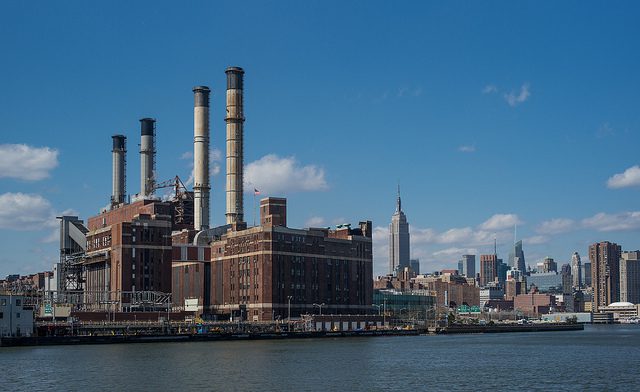
Consolidated Edison, Inc. was established in January 1998 after the deregulation of the utility industry in New York State. It is the result of the acquisition, dissolution, and merger of over 170 separate electric, gas, and steam companies.
Con Edison has invested $3 billion in solar and wind projects. Additionally, it operates the world’s largest commercial steam system, providing steam services to commercial and residential institutions.
How Is Energy Supplied?
Con Edison generates electricity from various solar, wind, and electrical plants across New York. High-voltage electricity is then transmitted through power lines to smaller substations where the voltage is reduced. Electricity is distributed through wires and transformed into a higher voltage for long-distance transmission. High-voltage lines are supported by large towers, while in buildings, electricity flows through wires in the walls to outlets and switches. From the lights of Broadway to Wall Street’s financial markets, Brooklyn’s boutiques, and Staten Island homes, Con Edison powers all corners of New York.
As for natural gas, it is efficient, safe, and reliable. Con Edison sources it from fields in Canada, Louisiana, Pennsylvania, Texas, and the Gulf of Mexico. Natural gas, found in the earth’s lithosphere, is extracted using wells. Extraction would be simpler if gas was deposited evenly at a single depth, but gas reservoirs vary in depth and location. In addition to methane and its homologues, natural gas contains components such as nitrogen, water, hydrogen sulfide, and carbon dioxide.
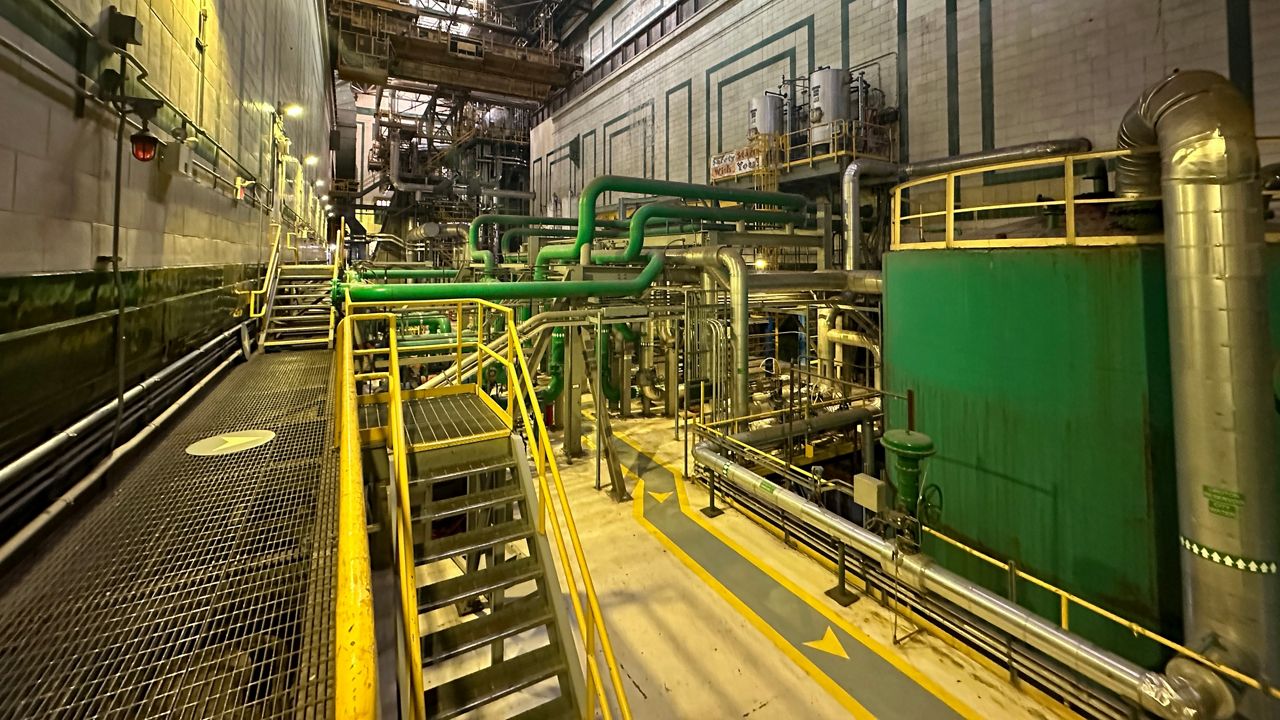
Con Edison also generates and distributes steam, which is used for heating, hot water, air conditioning, and sterilization. Hospitals, restaurants, dry cleaners, and museums rely on Con Edison’s steam for sterilizing equipment, dishwashing, cleaning clothes, and maintaining climate control in spaces housing priceless artworks.
Company Mission
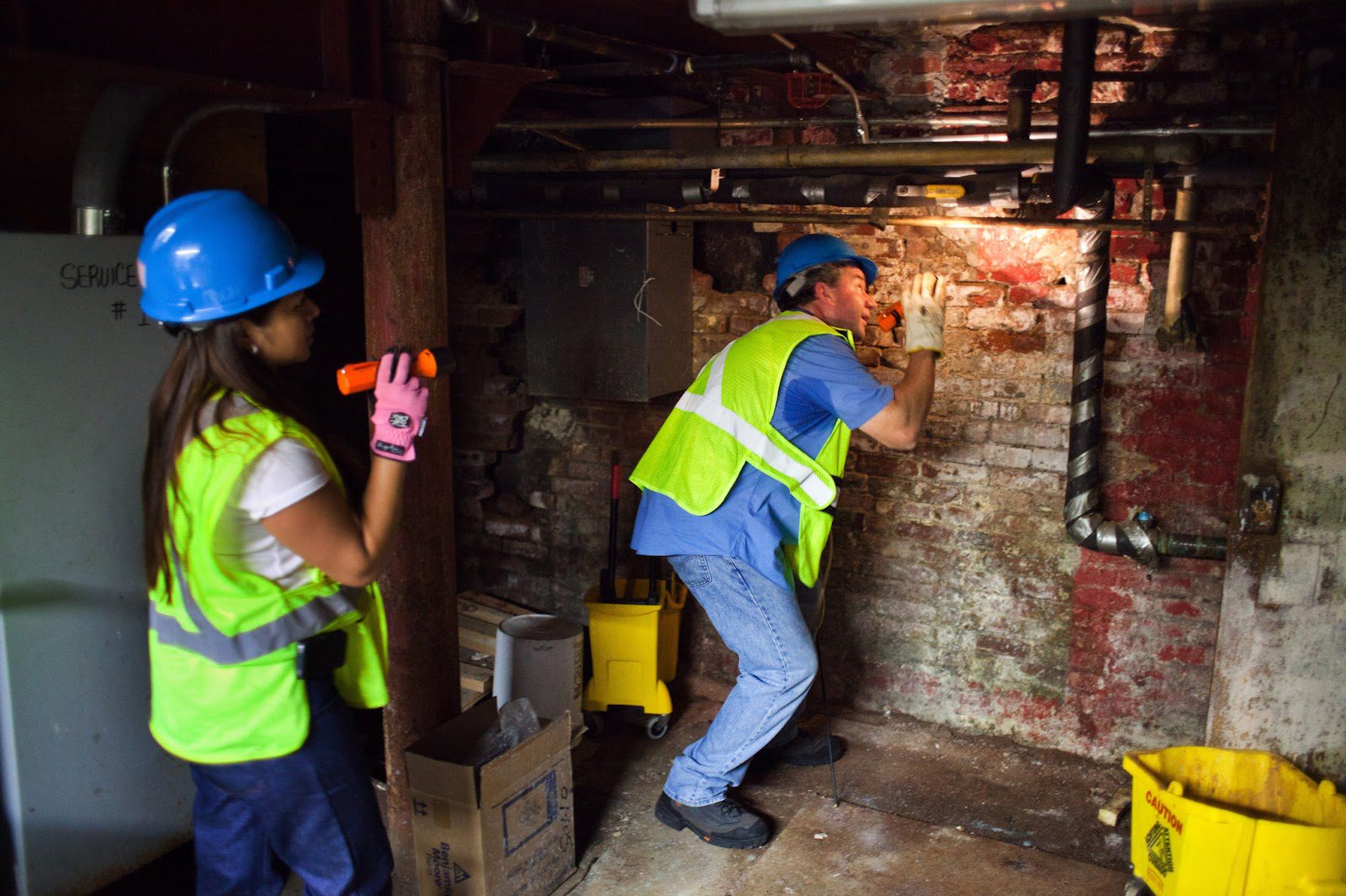
Con Edison adheres to three core principles: safety, operational excellence, and enhancing customer experience. The company’s mission is to provide energy to customers in a safe, reliable, and environmentally conscious manner. Con Edison fosters a work environment where employees can fully realize their potential, ensures a fair return for investors, and improves the lives of the communities it serves.
Some Safety Tips
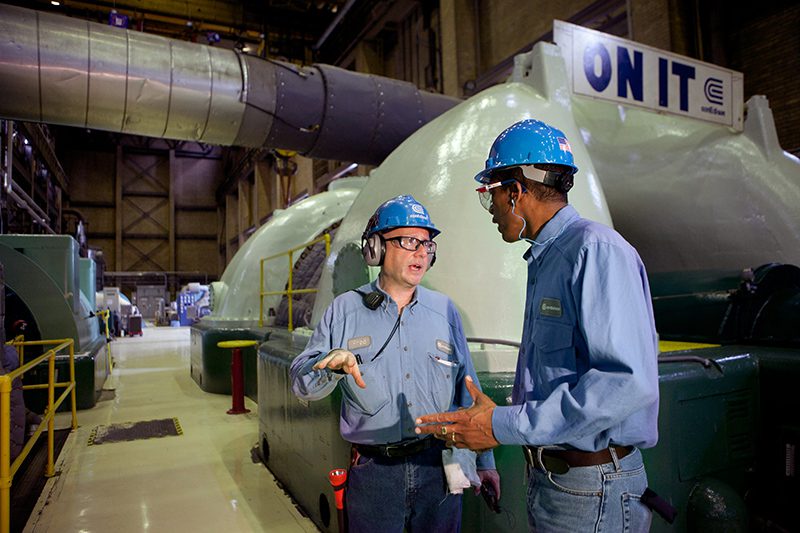
According to Con Edison, remember that a gas leak could lead to fire or explosion. You can detect a leak by the smell of rotten eggs, a white cloud, bubbles in water, soil blowing, or the sudden death of plants. Even if the odor is faint, immediately leave the area and call the hotline. The characteristic smell comes from mercaptan, a chemical added to help detect leaks. In its pure state, natural gas is odorless. Don’t light matches; avoid smoking; don’t touch switches, appliances, or electronics (even your phone); and don’t use doorbells where there’s a gas leak. These could generate sparks that may trigger a gas explosion.
Stay away from transmission line poles, substation fences, and objects marked “Danger – High Voltage.” Avoid flying kites near power lines. Never use a metal or wooden ladder near electric wires; instead, use a fiberglass ladder.
If an electrical item has been in water, don’t touch it. If your hand and the plug are dry, pull the plug rather than the cord out of the outlet, or turn off the power using a circuit breaker.
If a transmission line falls on your car while you’re inside, don’t leave the vehicle. The rubber tires provide insulation. Call for help and wait for responders. Ask bystanders to keep away from the car while you wait for assistance.
At home, regularly inspect power cords for wear. If an outlet plate or switch feels hot, contact a specialist immediately. Avoid placing power cords under carpets or furniture, and don’t secure them to walls or baseboards. Keep flammable materials away from lamps and heaters, and place electric heaters where no one can trip over them. Ensure appliances are far enough from sinks and bathtubs. Charge lithium batteries for e-bikes and scooters outside the home.
Use extension cords sparingly and only as a temporary solution. Refrigerators, heaters, and other large appliances should plug directly into outlets without extension cords. Too many devices on one cord can cause overheating. Overheated wires are the cause of one in six home fires. Only use outdoor-rated cords and devices outdoors.
Install outlet covers for child safety. Let all residents know where the main electric panel is so they can quickly cut power in an emergency.
During a thunderstorm, avoid using electrical appliances or charging phones. Use surge protectors to safeguard appliances and electronics.
If you use steam energy, ensure your steam equipment is carefully inspected before activation. All inspections, adjustments, and repairs of your steam distribution system should be performed by a qualified operator or heating contractor. Insulate pipes properly to prevent excessive heat loss.