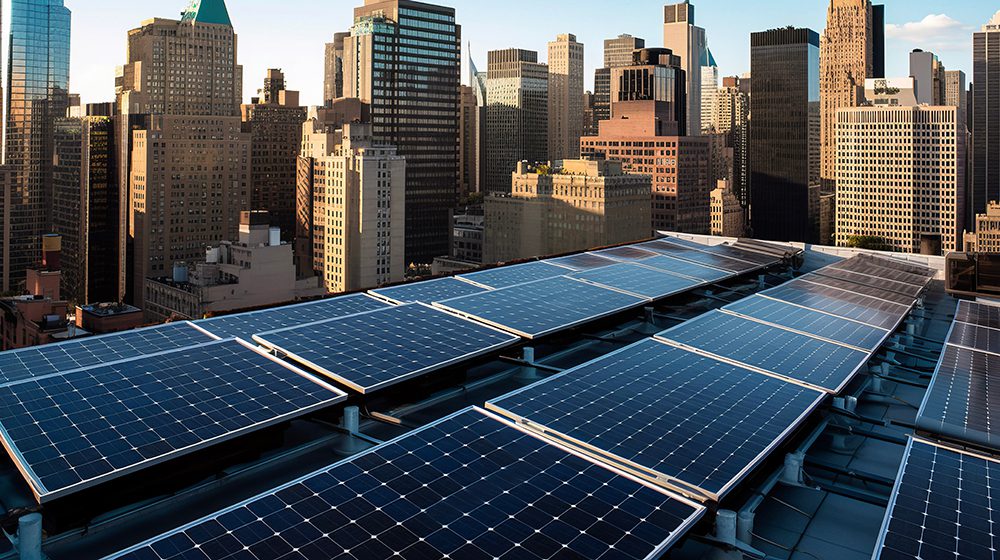
In 2019, New York City declared a climate emergency due to the effects of climate change, such as global warming, increased precipitation, rising sea levels, and more. The city, with its 14 miles of public beaches and one of the largest natural harbors in the world, faces significant risks as a coastal hub. Being a maritime port with numerous bridges and tunnels, New York is particularly vulnerable to rising sea levels. Between 1860 and the early 2020s, sea levels have risen by approximately 50 cm, making it evident that the city is slowly sinking. Climate change affects New York’s buildings, wetlands, water supply, public health, energy infrastructure, and more. Learn more at queens.name.
An Urgent Issue
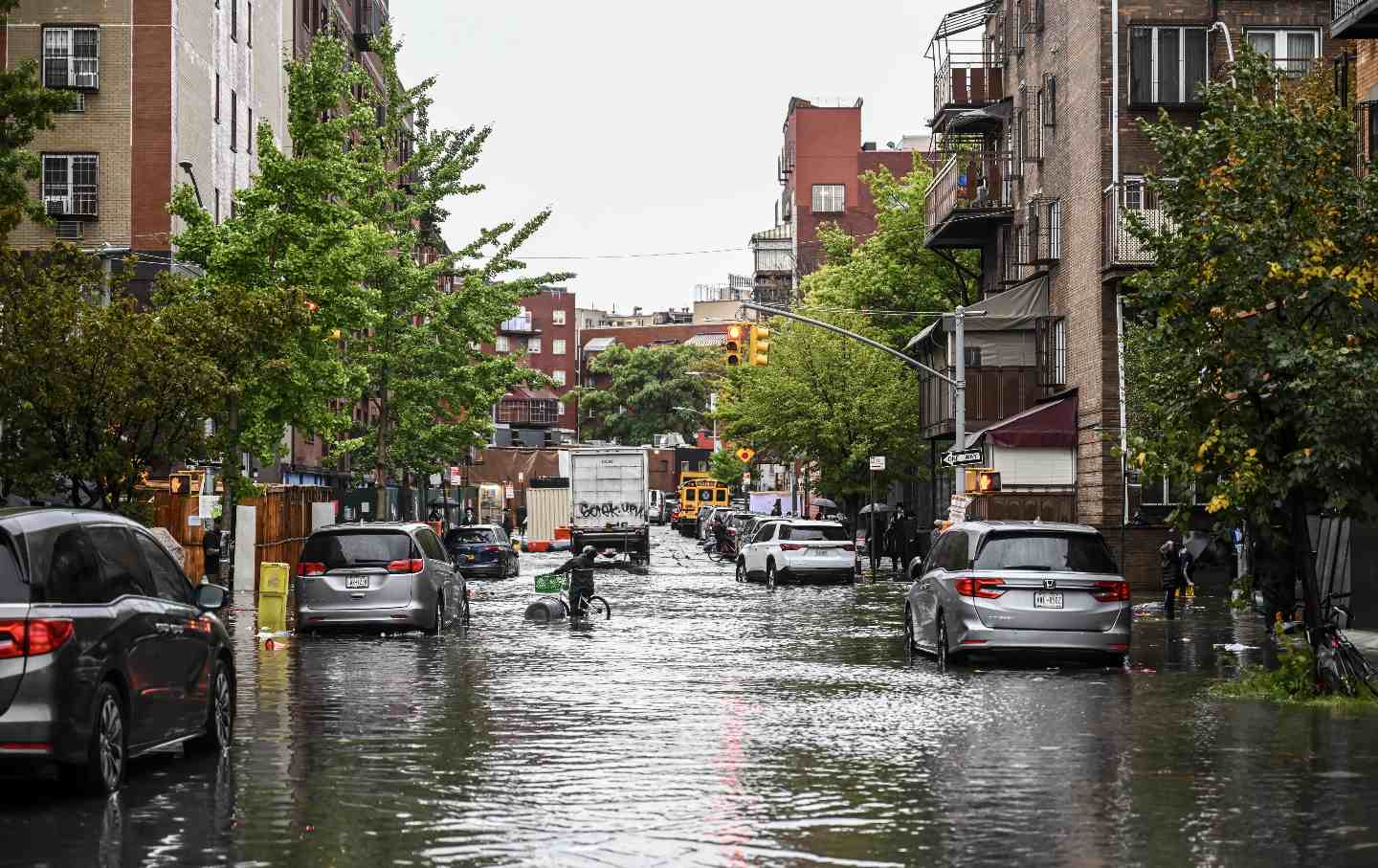
Reports such as ClimAID and others highlight that the 21st century faces a climate crisis. Humanity, flora, fauna, and entire ecosystems face an uncertain future if adequate adaptation measures are not implemented. New York, the largest city in the United States by population and size, is sinking faster due to global warming than the global average rise in sea levels. Drastically reducing and ultimately eliminating greenhouse gas emissions is critical to preventing an environmental catastrophe.
Causes of Climate Change
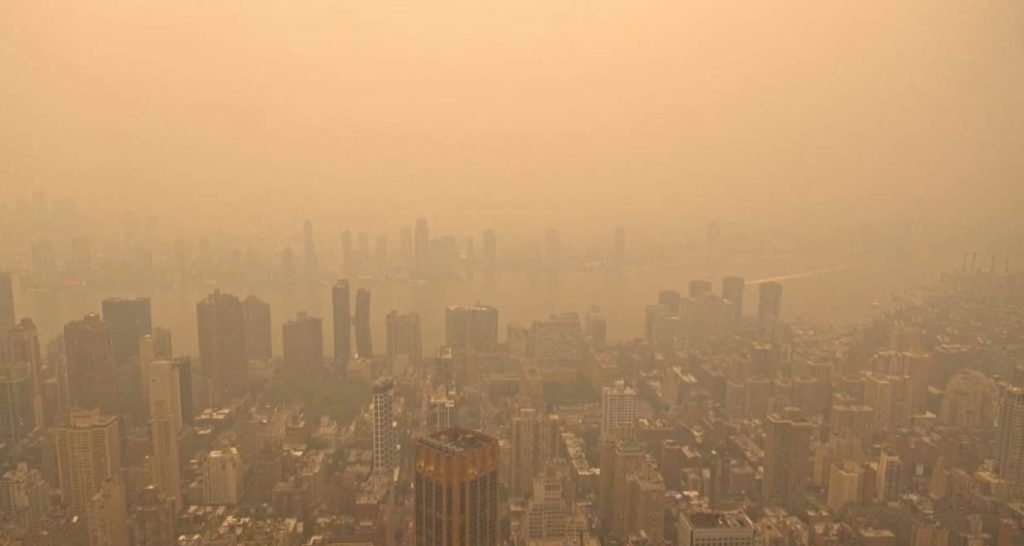
Global warming is primarily driven by greenhouse gas emissions. These arise from burning oil, coal, and gas, landfills, transportation, unsustainable agriculture, and more. Carbon dioxide, methane, and nitrous oxide in the Earth’s atmosphere amplify the greenhouse effect—a process where gases trap solar heat. This effect is a key driver of global climate change.
In New York, most electricity is still generated from coal, oil, or gas. As of January 2025, the city operates 24 power plants fueled by natural gas and/or oil. In addition to greenhouse gas emissions, these facilities release air pollutants that impact public health. Similarly, most cars, trucks, ships, and airplanes rely on fossil fuels.
In agriculture, mechanized farming, harvesting, and the use of fertilizers and pesticides harm soil, water, and air. These practices contribute to biodiversity loss and greenhouse gas emissions. Pollution throughout the agricultural process worsens air quality and drives climate change. Notably, many farms in New York are family-run and established on deforested land. Trees release stored carbon when cut, contributing to emissions. Overall, deforestation, coupled with unsustainable agriculture and other land use changes, accounts for about 25% of global greenhouse gas emissions.
Industry is another major factor. Harmful emissions result from burning fossil fuels to produce cement, iron, steel, electronics, plastics, clothing, and more. Emissions are also generated through the packaging and distribution of food products.
Threats Posed by Climate Change
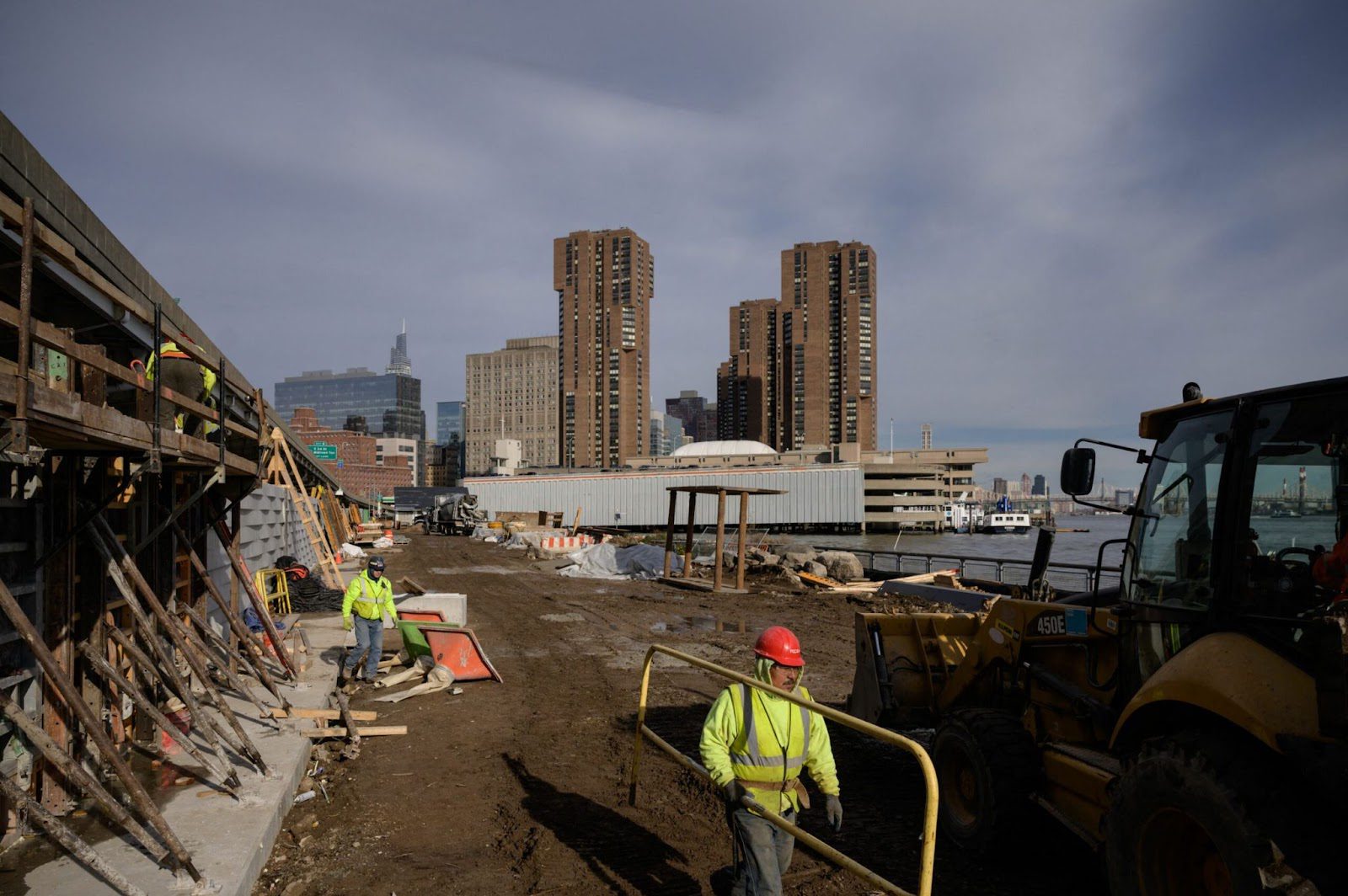
As greenhouse gas concentrations rise, so does the Earth’s surface temperature. Heatwaves trigger wildfires, and with 6,800 acres of forests in New York, fires can spread quickly. Heat also increases ground-level ozone concentration, leading to asthma and other health issues. Ground-level ozone is a key component of smog, visible in major cities.
Rising temperatures cause more moisture to evaporate, increasing precipitation and flooding and intensifying destructive storms. Warmer oceans exacerbate storm frequency and scale. Hurricanes, cyclones, and typhoons feed on warm ocean waters, destroying homes, causing fatalities, and inflicting massive economic losses. Notably, some of the world’s busiest aviation hubs, John F. Kennedy International Airport and LaGuardia, are located in flood-prone areas of New York.
Global warming also worsens water scarcity in certain regions, raising the risk of agricultural droughts that harm crops. Droughts can lead to devastating dust and sandstorms. Climate change also degrades tree habitats, crucial for absorbing carbon dioxide and other pollutants. This is a pressing concern for New York, where 24% of the land is covered by trees, comprising over 160 species. Of these, 21 species are vulnerable due to limited adaptability.
The New York Times has identified climate change as a factor contributing to rising rat infestations in the city. Such conditions enable rats to thrive and reproduce. However, perhaps the most significant threat lies in the impact on human health. Diseases, displacement, psychological stress, and malnutrition result in a significant loss of life in New York annually.
How to Combat Climate Change