

Although Queens is not known as a paradise for gem collectors, you can still find here rocks, fossils and, most interestingly, gems and minerals. Hidden natural compounds are scattered in different parts of the borough. They are utilized in the production of jewelry, applied and industrial purposes. Find a short list of where you can locate these treasures at queens.name.
Rockaway Beach neighborhood
Rockaway Beach is a popular summer destination thanks to its 9-kilometer promenade and large sandy beach. Here, you can swim, sunbathe, play volleyball and skateboard. Seasonal cafes serve pizza, arepas (cornmeal tortillas) and Italian ice cream. All year long, skilled surfers ride the waves.

Another popular activity for both children and adults on Rockaway Beach is hunting for minerals, crystals and other stones. Also, here you can purchase ready-made jewelry from the Swellife store. It also sells unique handcrafted items from throughout the world, such as wicker Mexican baskets, Nigerian textile bags and Moroccan leather sandals.
Woodside neighborhood
City Water Tunnel No. 3 in the Woodside neighborhood contains large deposits of calcite. In fact, Calcite is concentrated in large quantities in New York State, particularly east of Lake Ontario, along the Canadian border and in the southeast, along the Hudson River.
Calcite is one of the most prevalent minerals on Earth, and it looks like a crystallized form of calcium carbonate. Calcite crystals are beautiful yet fragile, which draws the attention of collectors. Calcite in its pure form is a white prismatic crystal. However, it frequently contains impurities that give it a dark amber or pale yellow color. You can also come across blue specimens.
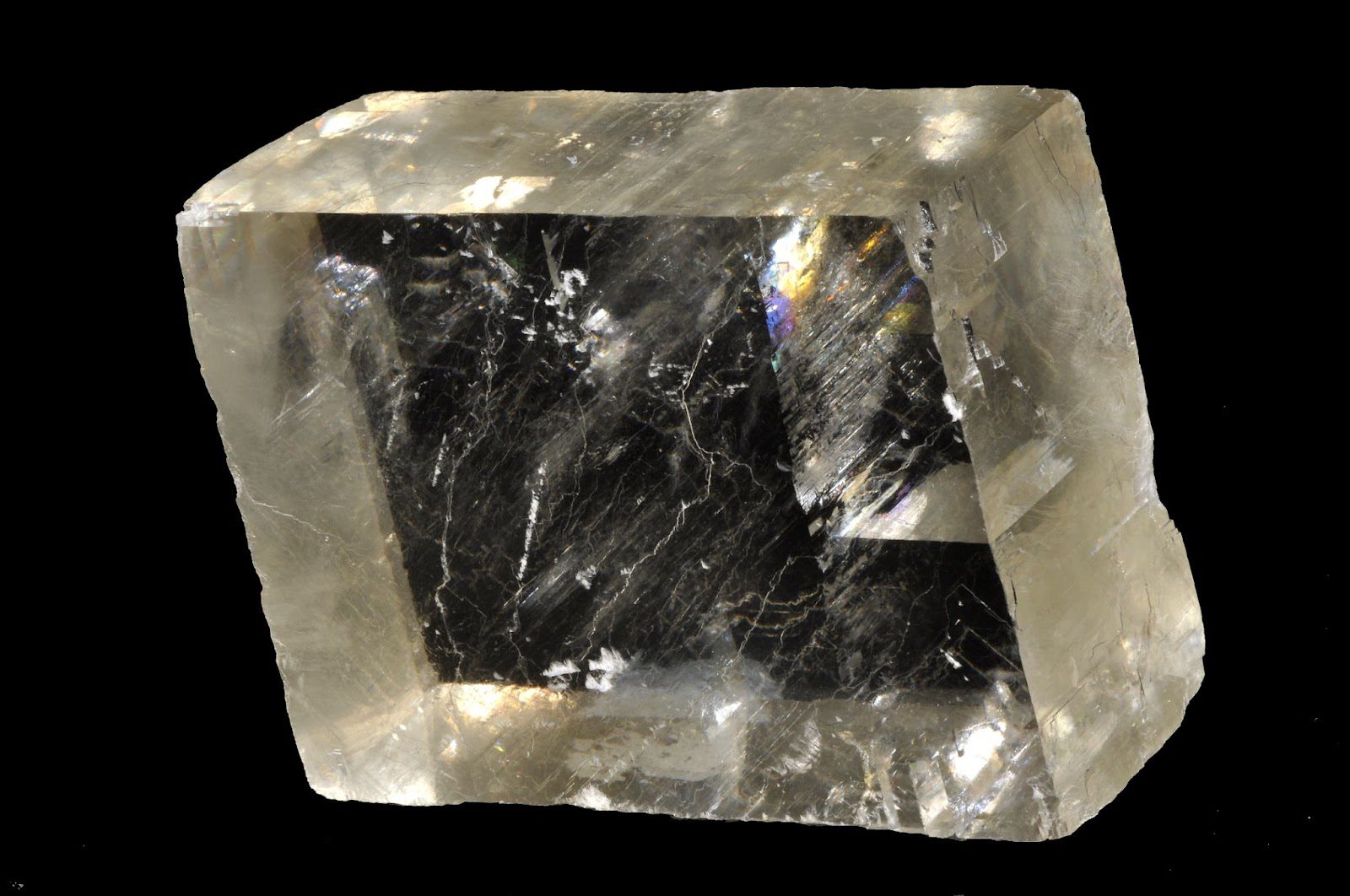
Calcite is also found in other minerals, such as quartz, in the form of a thin white crystal coating. Many mollusk shells are made of calcite, with some being polymorph aragonite. Calcite forms faster than most other minerals, and its growth can be seen in stalactites in some caves.
In terms of the medicinal properties of calcite, it is widely believed that this stone helps alleviate some symptoms of diseases of the digestive tract. The effect of the stone on the sick organ is determined by its color. For example, red calcite can benefit a sick intestine, orange – the spleen and digestive system and yellow – the kidneys. Silver jewelry containing calcite is thought to be capable of curing colds. Calcite pendants and rings can help with heart disease. It’s also important to pay attention to the mineral’s magical properties. It is alleged that the owner of the stone often demonstrates psychic abilities.
By the way, the same City Water Tunnel No. 3 in Queens contains heulandite-CA, a mineral that is an aqueous aluminosilicate of calcium and sodium. Another common mineral is stilbite, which is a hydrated calcium-sodium-potassium aluminosilicate.
Long Island City area
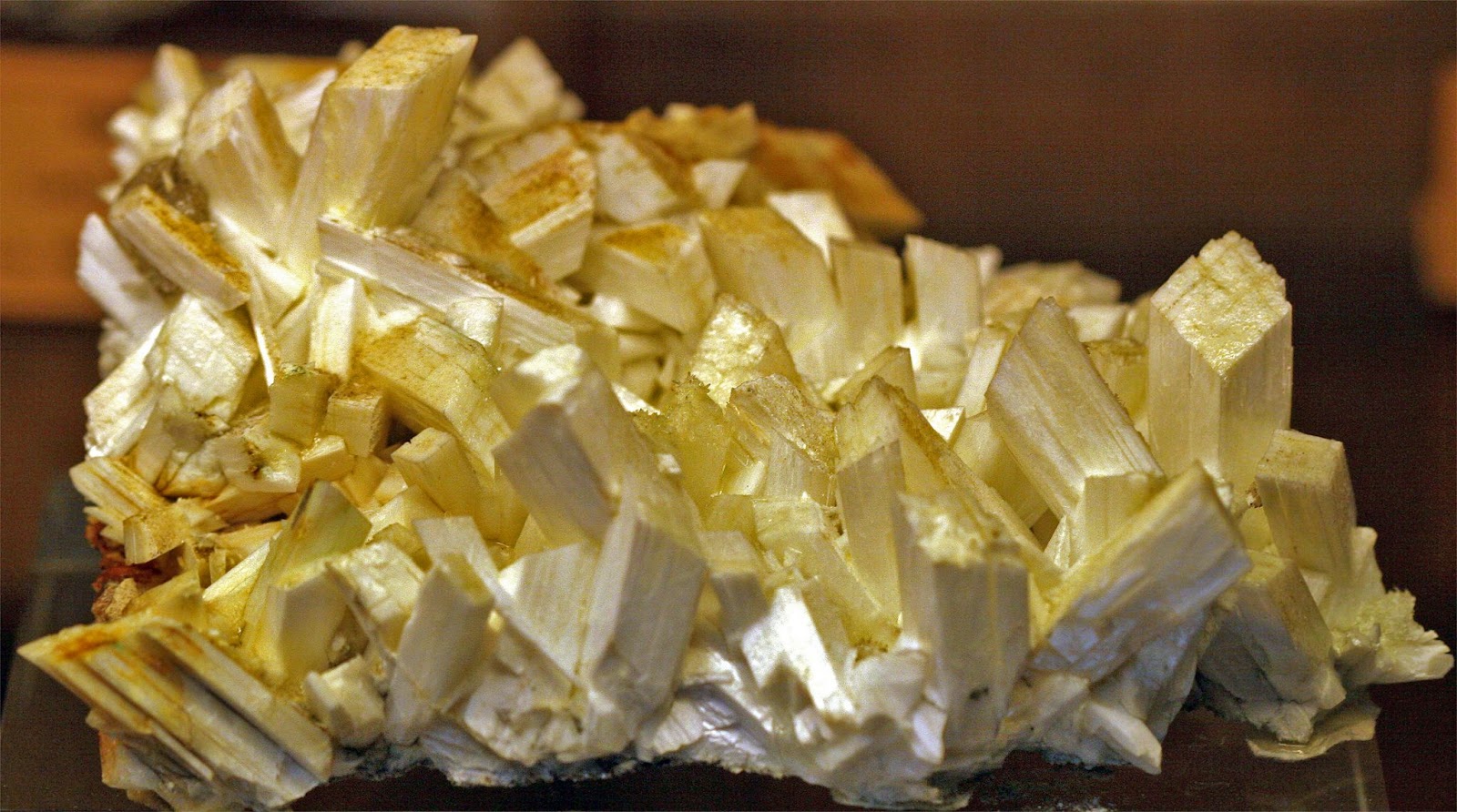
In the industrial area of Long Island City, mineralogists often discover laumontite, an aqueous calcium aluminosilicate of the tetrahedral structure. In its pure form, this mineral is colorless or white. However, due to impurities, it can be yellow, red or brown.
In general, Long Island City is known for its skyscrapers, which offer stunning views of Manhattan. Innovative art galleries and concert venues, trendy bars and restaurants attract young people and a huge number of artists. The MoMA PS1 museum hosts contemporary art exhibitions and seasonal dance events. Locals like to relax in a quiet park on the riverbank.

Long Island
Queens encompasses the western end of Long Island. The island is well-known for its white sand beaches, which are consistently ranked among the greatest in the United States. There are world-class wineries, luxury manors and harbors, a racetrack, concert stages, farmland, vineyards and much more.
A thorough geomorphological study of Long Island provides evidence of its glacial past. The island is formed by two ridges of the glacial moraine. This moraine is composed of gravel and loose rocks.
Over 300 stone collectors are looking for treasures on Long Island. In 1980, the Long Island Mineral and Geology Society was founded here. Its members study earth sciences and encourage all citizens to participate in mineral, geological and related fields of study. Members of the society hold monthly meetings and organize gemstone exhibitions, mineral search tours and special presentations.
The most prevalent rocks in Long Island are quartz, feldspar, jasper and hematite. Quartz is the most popular gemstone in the world. Its crystals are so hard that they can scratch glass. Due to this quality, the mineral got its name, which originates from the German word “quarz” (“solid”). Quartz jewelry is usually very bright and features large inserts. Quartz concentrates are employed in a variety of industries, including glass, light, electronic, radio, chemical, mechanical engineering and even space science.
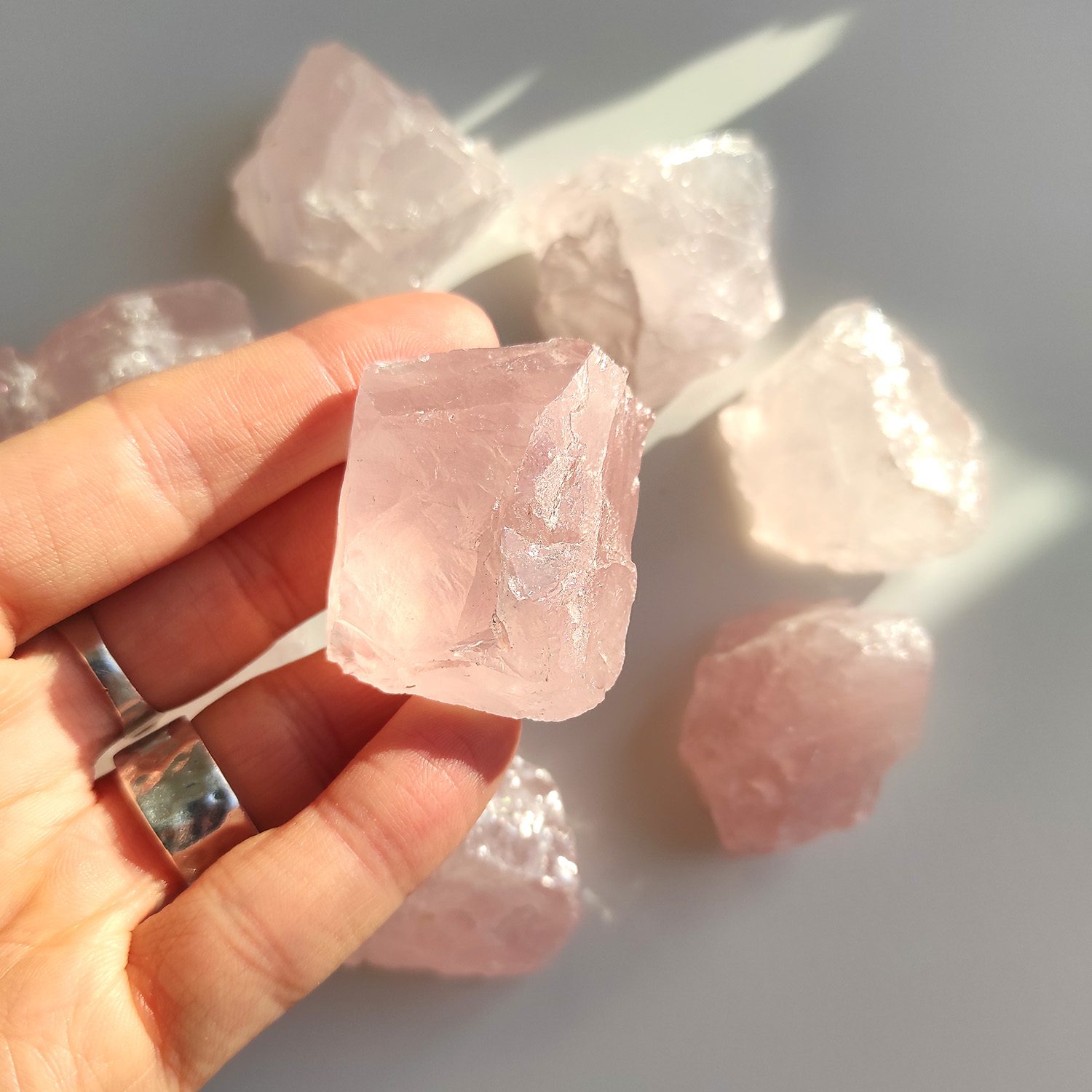
Feldspar is a group of the most common rock-forming minerals of the class of silicates of the tetrahedral structure, which are characterized by relatively high hardness. Feldspar has a clear structure thanks to crystals that resemble bricks. In their pure form, these minerals are colorless. The color scheme and variety of crystal shapes are explained by the chemical elements that come into contact with them. Feldspar may contain particles of aluminum, calcium, potassium, sodium, hydrogen, iron, boron and beryllium particles. The crystals are called feldspar (from the German compound “feld”, English “field”) because they are commonly found along rivers, in fields and the mountains.
Feldspar stones are thought to have magical properties. They are used by shamans, mediums and sorcerers. Due to their diverse colors and polishing and processing properties, these minerals are frequently utilized in the creation of paintings, mosaics and interior decor elements.
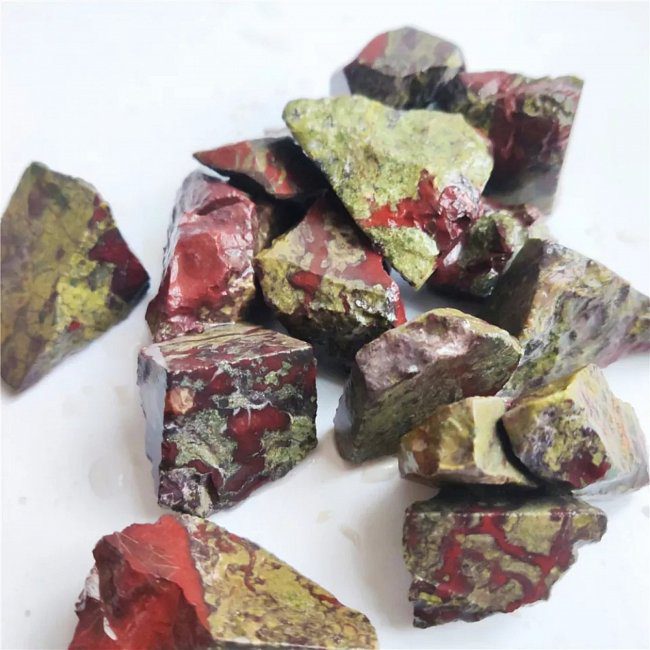
In Greek, jasper means “bright” or “speckled”. Jasper is most commonly known not for its beauty but for its magical protection against external forces and circumstances. It is one of the most powerful amulets. Hippocrates himself used the properties of jasper for medical purposes at the time. The Greek physician used the stone to treat epilepsy and fever, as well as to help patients with insomnia and mental disorders.
Hematite is a black mineral that belongs to the class of oxides and hydroxides. Hematite stones can often be found in nature in the form of ore deposits or large clusters. Hematite is used in the production of jewelry and decor, as well as in construction, metal alloy manufacture and other industries. Hematite’s main therapeutic properties are related to its effect on the human circulatory system. The gem supposedly has the ability to purify the blood, strengthen blood vessels and normalize hemoglobin levels. Furthermore, this stone prevents bleeding, reduces inflammation and promotes quick healing. An amulet containing a black stone improves a person’s intuition and can even help to manifest the gift of foresight. A pendant with hematite is recommended for pregnant women.