Most people begin to feel joy and emotional upliftment with the arrival of spring. Thanks to the sun and long daylight hours, the level of serotonin, the hormone of happiness, increases in the body. The different colors of spring flowers also affect the good mood. They change the landscape of Queens, creating a bright picture against the dynamic background of the city and marking a time of renewal. A selection of the most common spring flowers growing in the borough is presented further on queens.name.
Spathiphyllum
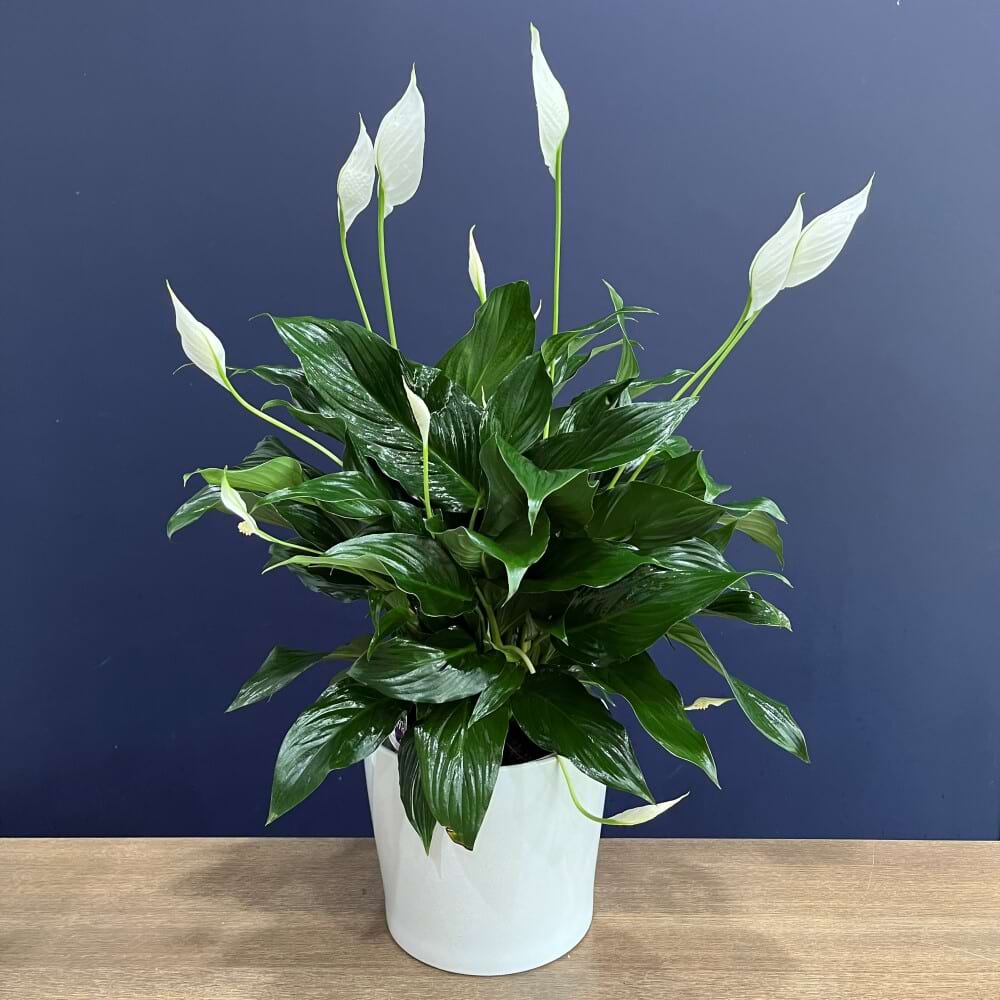
This evergreen plant got its name from the combination of two Greek words, ‘spath’ and ‘phyl’, which mean ‘spoon’ and ‘leaf’. The large, elegant white flower really resembles a spoon. The white color is the international symbol of peace, which is why the flower is often called the Peace lily. Queens residents especially like to decorate their homes with spathiphyllum. It is a popular houseplant. It does not need a lot of light or water to survive. In its natural habitat, the flower grows mainly in tropical regions of America and Southeast Asia, in shady, humid places along rivers and streams, in river valleys and foothills.
Kalanchoe blossfeldiana
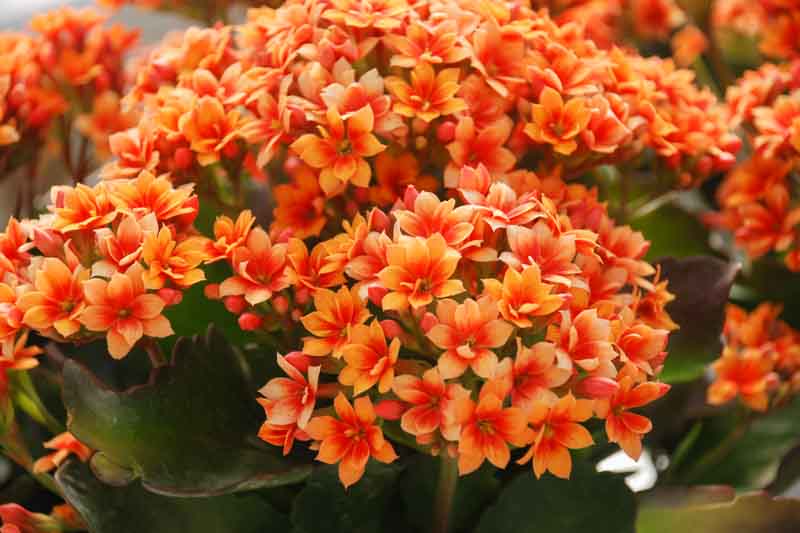
The bush-shaped plant Kalanchoe blossfeldiana has shiny dark green leaves with reddish edges. It blooms in different colors, as breeders have created many varieties with white, pink, yellow, orange, lilac and other flowers. Miniature forms with bright red flowers, reaching up to 15 centimeters in height, have also been bred. The homeland of this plant is the island of Madagascar, where it grows in tropical moist forests on humus soil. It is a common houseplant, toxic to animals.
Peony
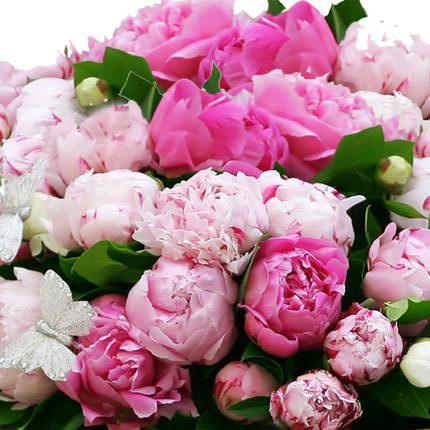
Peony is a perennial herbaceous shrub known for its lush white, pink or crimson flowers with big yellow stamens. Peonies are native to western North America, Asia and Europe. There are over 30 species of this flower. Most reach a height of 1 meter. There are also woody shrubs 0.25–3.5 meters high. They have large fragrant flowers, the colors of which vary from purple and pink to red, white or yellow.
Since ancient times, the peony has personified love and romantic feelings. In China, there is a belief that this flower brings wealth, prosperity and good luck. There, in ancient times, it was possible to breed special varieties of lush peony bushes, which could often be seen in imperial gardens. Interestingly, the peony is one of the favorite flowers of brides. A delicate bouquet of peonies is a symbol of love, fidelity and a happy marriage.
Petunia atkinsiana
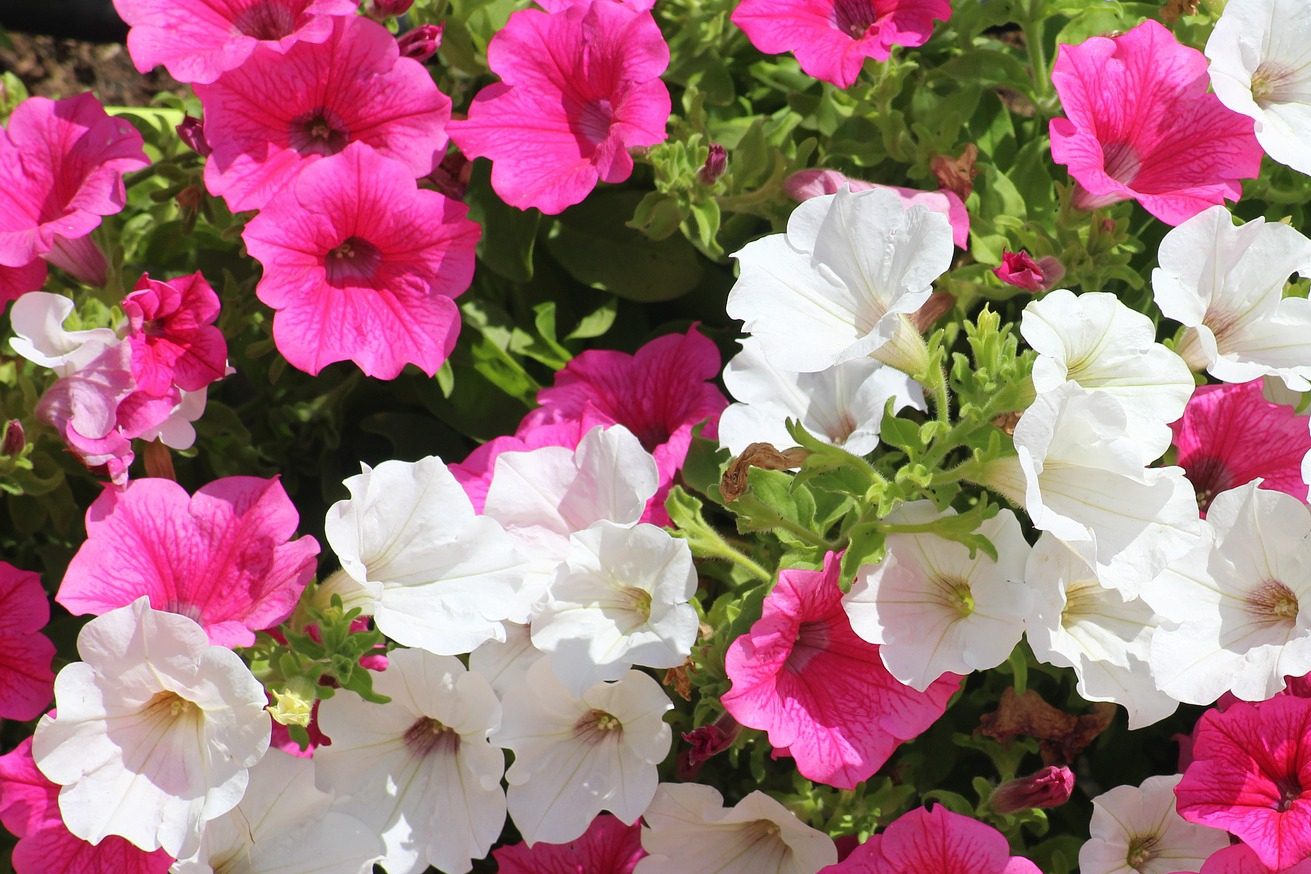
This variety of petunia, first bred in 1995, was a real discovery for gardeners. The plant comes from the tropical regions of South America and is often used in landscape design and garden decoration. Petunia atkinsiana has several varieties that differ in the color of flowers, their size and shape. Thus, pink flowers have a delicate, romantic aura, while red petunias add brightness to the space. In addition, there are varieties with two-tone flowers. Petunia atkinsiana is unpretentious to growing conditions. For the best growth of the plant, it is recommended to choose well-lit places. It is also important to water and fertilize the petunia regularly. In Queens, you can often see this flower on balconies, terraces and garden beds.
Blue violet
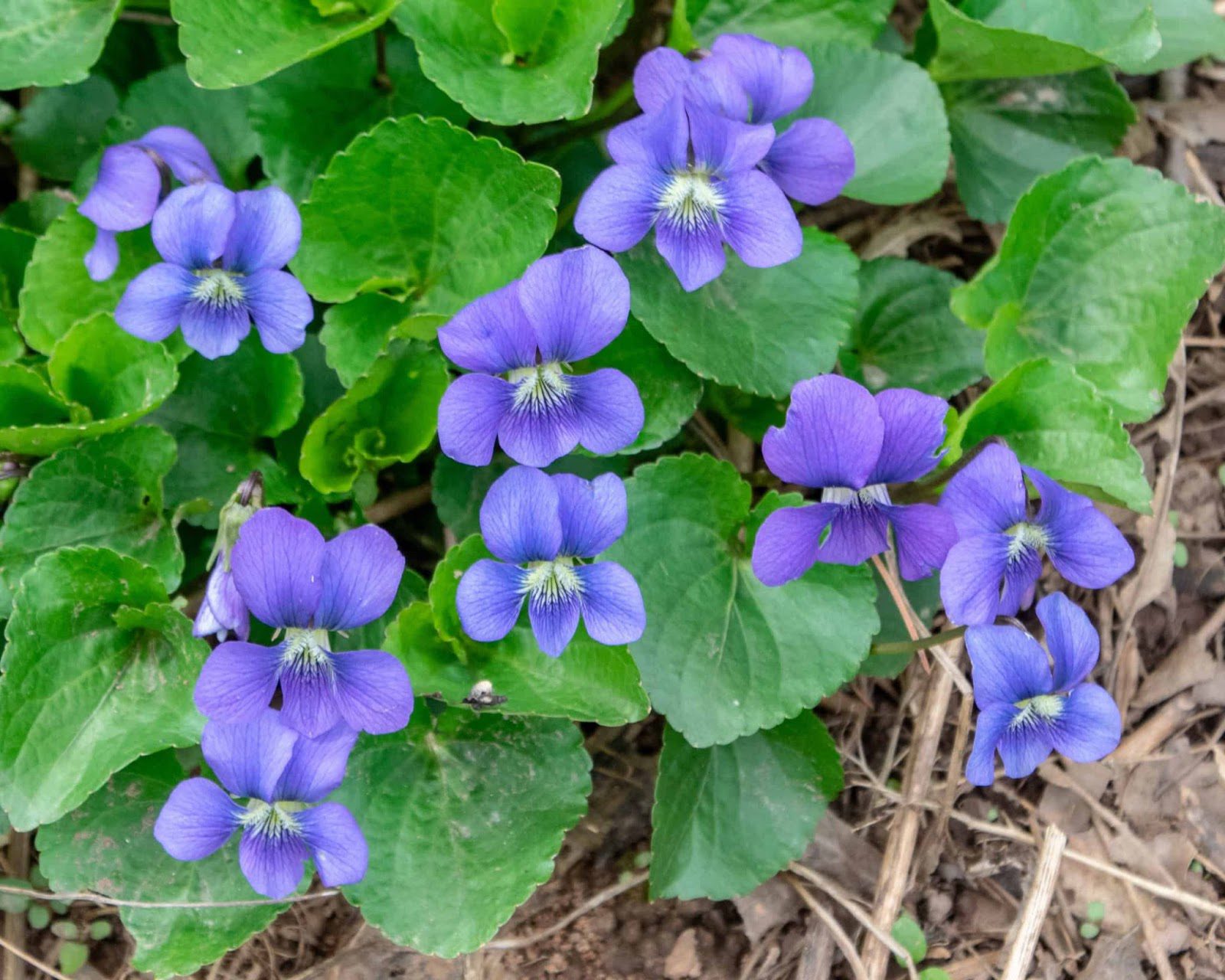
A striking wildflower known for its vibrant purple hues, the blue violet is the official state flower of several states in the United States. It’s no wonder, as the herbaceous perennial is native to eastern North America. It’s safe for pets, making it a popular home decoration. In its natural habitat, it can be found in moist forests, swamps and along stream banks.
Ditch lily
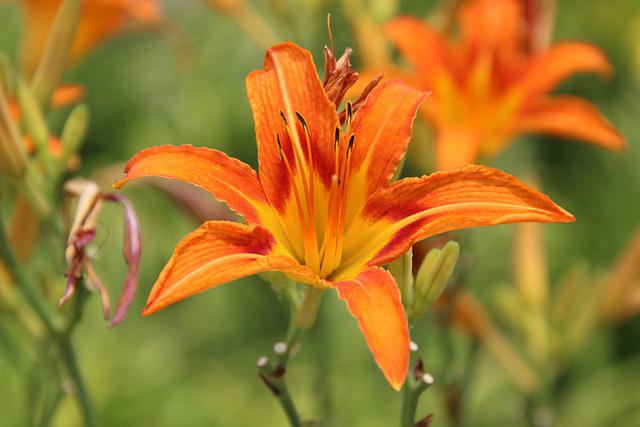
A bright orange lily native to Asia is grown as an ornamental plant in temperate climates. It’s not a true lily of the Lilium genus. It gets its common name from its superficial resemblance to lilies. The herbaceous perennial is often seen in gardens in Queens. The flower’s natural habitat is meadows and woodlands. If you plant Ditch lilies on slopes, they can slow or stop erosion. When not in bloom, they add texture to the garden and crowd out weeds. Interestingly, each individual flower only lasts one day. As new buds open each time, the blooms last for weeks. Be especially careful if you have cats at home or in your garden, as most types of these lilies are toxic to them.
Black-eyed susan
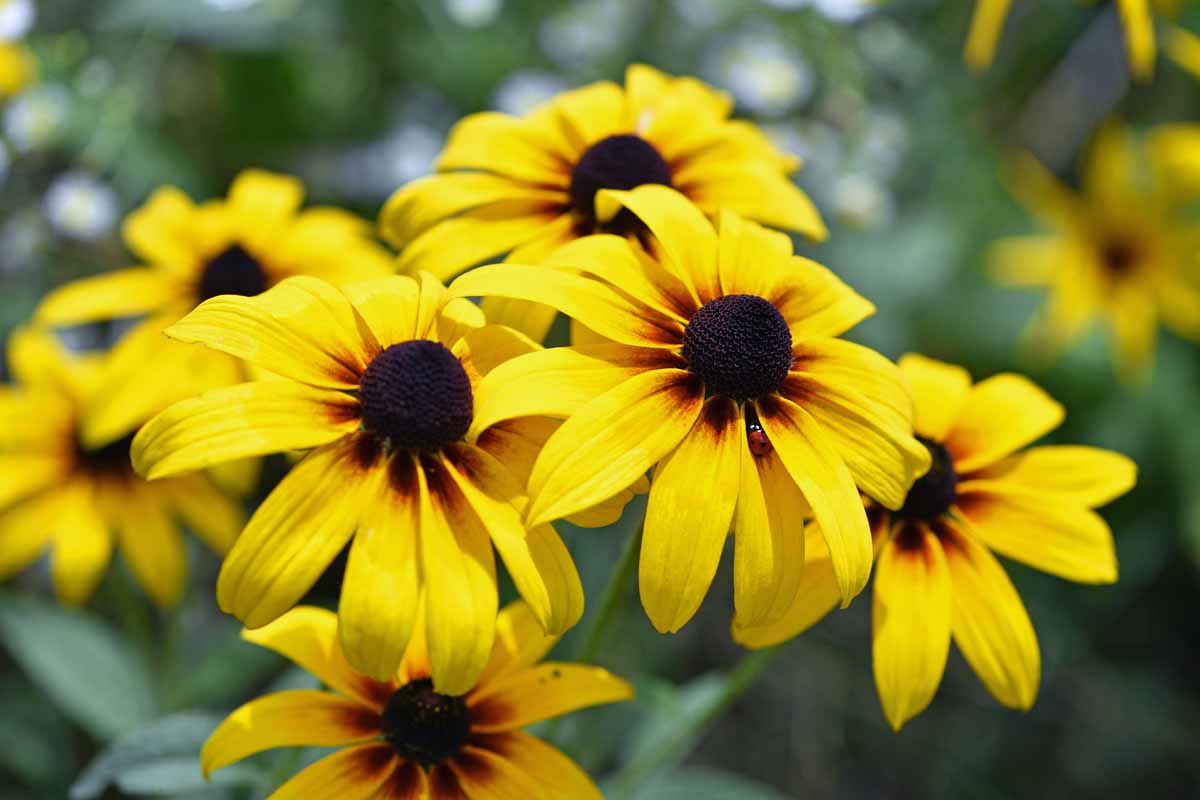
Black-eyed susan is a black and yellow flowering plant with curved leaves that is native to eastern and central North America. It is a cultural favorite in the southern United States and is often used to attract butterflies to gardens. It is widely cultivated in parks and gardens to create summer beds and living borders. It is the official state flower of Maryland. There, it is used during ceremonies, memorials and other events.
Garden phlox
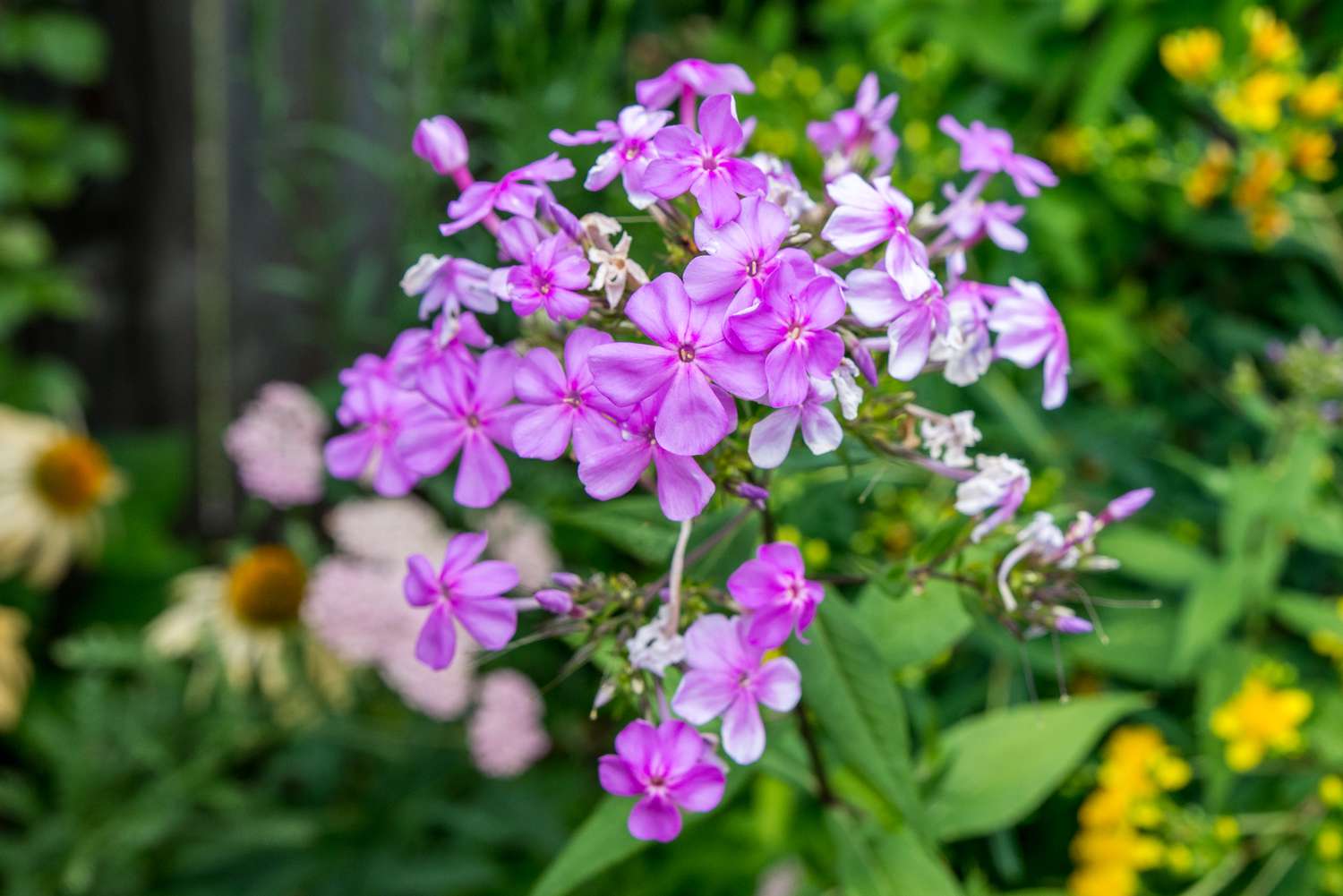
Garden phlox originates from the southeastern United States. The plant’s natural habitat is forests and shrub thickets on fertile soils. The flower is undemanding to the soil, but cannot withstand either its drying out or its overwetting or stagnation of water. In dry weather, it requires regular watering, especially during the period of flower formation. If there is excessive light, its color may become less bright. Phlox is grown mainly for its bright fragrant blooms.
Anthurium andraeanum
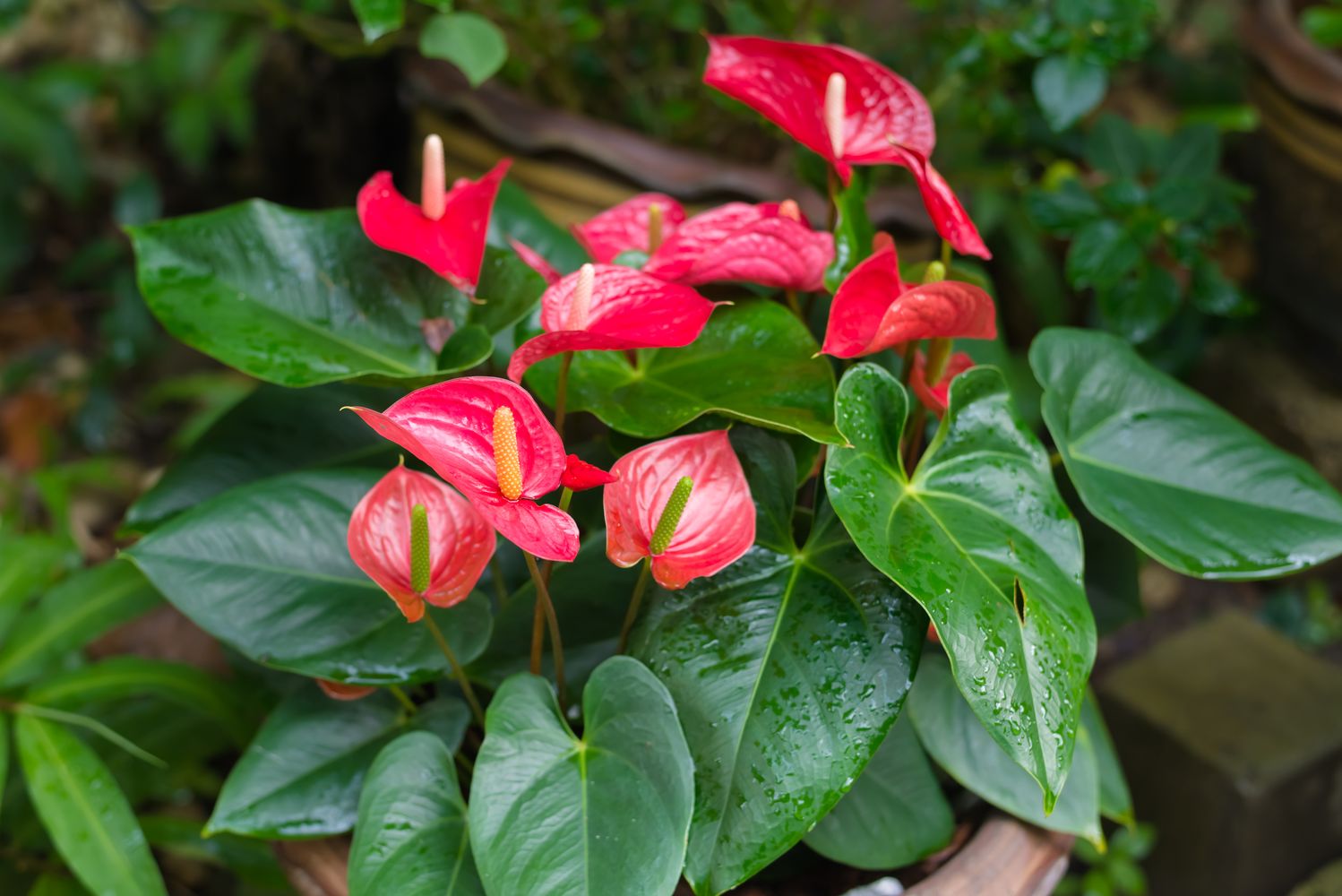
This unusual plant originates from Colombia and Ecuador. The perennial flower prefers a warm, shady and humid climate, such as in tropical forests. Its most characteristic feature is its brightly colored heart-shaped lobed leaves and inflorescences of the same shape. The plant is toxic to all mammals, as it contains saponins and small crystals of calcium oxalate. If the flower gets into the mouth of a person or animal, it can cause severe irritation of the mouth and throat. If calcium oxalate gets on the skin, it can cause itching and burning. The sap of the plant also contains proteolytic enzymes that produce histamine, to which some people are allergic.
Despite some danger, the flowers are a popular room decoration. The red plates are so shiny that from a distance they resemble plastic. In addition, there are pink and purple tones, although they are rare. At the same time, the flower does not only harm but also benefits. It absorbs chemicals that are released by detergents, as well as harmful substances such as ammonia and formaldehyde.
By the way, Flushing is home to the Queens Botanical Garden, an urban oasis that celebrates the world of flora. It hosts numerous family events and programs throughout the year. The garden even offers a forest school and outdoor preschool. In the spring, there is always something new to see at the garden, from blooming tulips to roses. This is definitely the most vibrant season, as you can find colorful flowers almost every day.