In the 21st century, it is difficult to imagine a comfortable life without heating, especially during harsh winters. However, from a technological point of view, heating is the most complex engineering system of a building. People have worked fruitfully for thousands of years to create reliable and efficient ways to heat houses. Read more about the history of heating and its appearance in New York and Queens on queens.name.
First steps
In the ancient world, people often built houses with passive solar heating. This means that houses were designed so that they let in heat and slowly give it away to maintain a comfortable temperature inside. Such heating does not involve any technical devices and depends entirely on the design and features of the house. The fundamental principle of passive solar heating is to maximize solar radiation in winter and minimize it in summer. This is achieved by orienting the building, choosing materials with appropriate thermal mass and adding structural elements that regulate the inflow and outflow of solar heat.
Advanced systems of concrete structures and aqueducts developed in Rome made active heating possible. Hot air was directed from the furnace through pipes located in the walls. After the fall of the Roman Empire, Europe was at a crossroads, not understanding the further paths for the development of heating systems. It was not yet known that architects in the Middle East had created systems for insulating entire buildings using pipes in the floor.
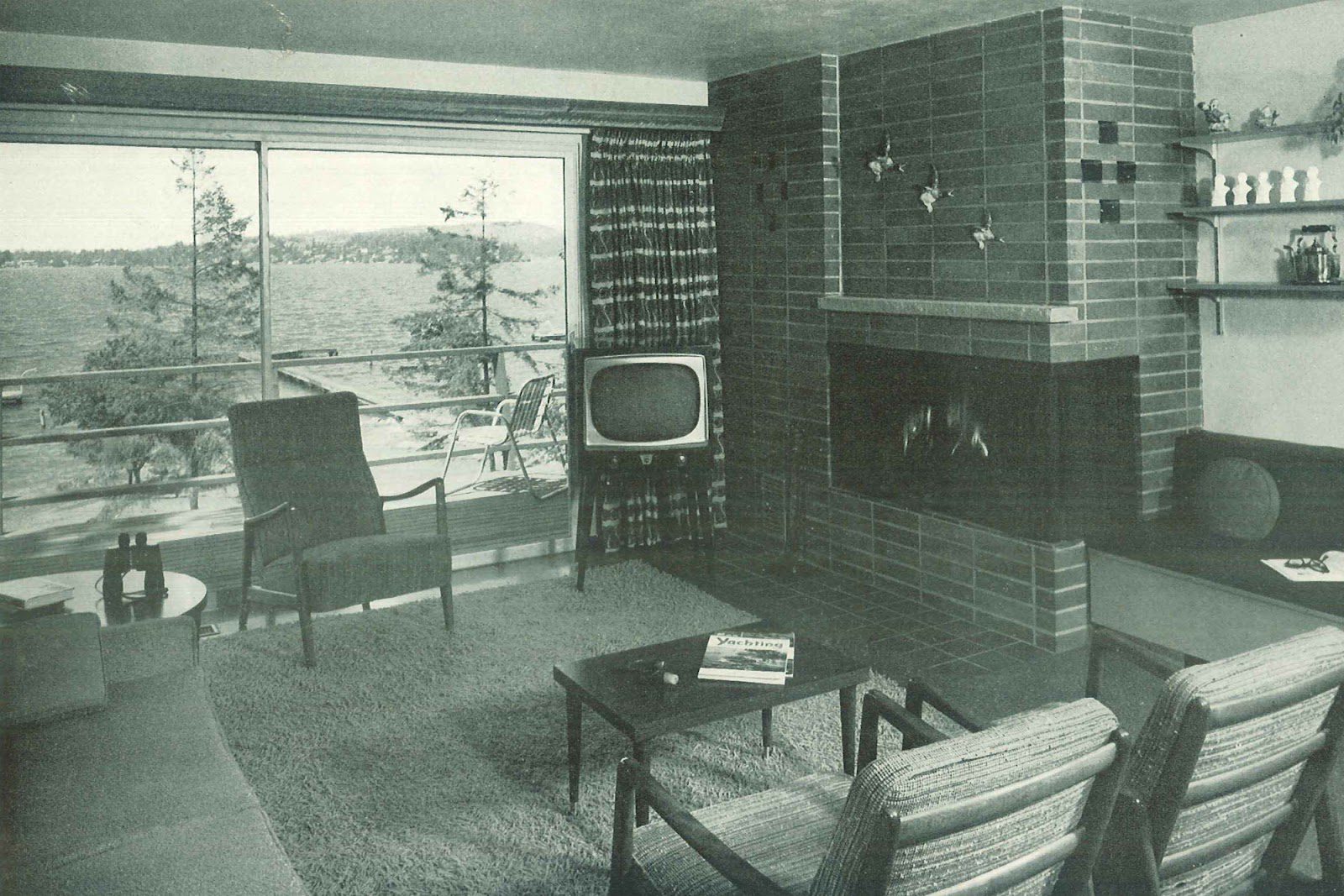
Fireplace heating appeared in the 800s. By the 1200s, it could be seen in various parts of Europe. The largest fireplaces were located in palaces and castles. It took about 400 years before the French architect Louis Savot invented the grate, an innovation that was crucial to the circulating fireplace. The cold air was heated and passed through the openings into the room. Similar ideas spread to England.
The beginnings of modern heating
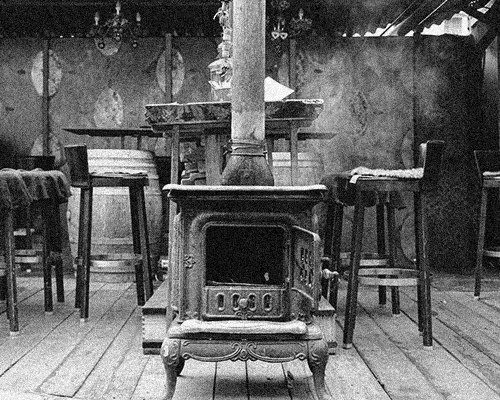
Although fireplaces and stoves had appeared in Europe long before the Industrial Revolution, they still could not provide reliable and affordable heat. Everything changed in 1885. Then, American entrepreneur Dave Lennox created the first riveted steel-smelting furnace. It used convection for more efficient heating. In 1905, American metallurgist Albert Marsh invented the first metal alloy from which it was possible to make a high-resistance wire, a strong and safe heating element.
At the company Hoskins Manufacturing of the inventor William Hoskins, researchers conducted experiments for several years. Albert Marsh patented nichrome later. This is the general name for refractory chromium-nickel alloys, as well as ternary chromium-nickel-iron alloys with a single-phase solid solution structure with the addition of manganese, silicon and aluminium. For this invention, Marsh was recognized as ‘the father of the electric heating industry’. In 1919, African-American inventor Alice Parker received the first patent for a central heating system. It is capable of providing continuous and efficient heating of large rooms. After World War II, the active development of HVAC (heating, ventilation and air conditioning) systems began.
What was it like in Queens?
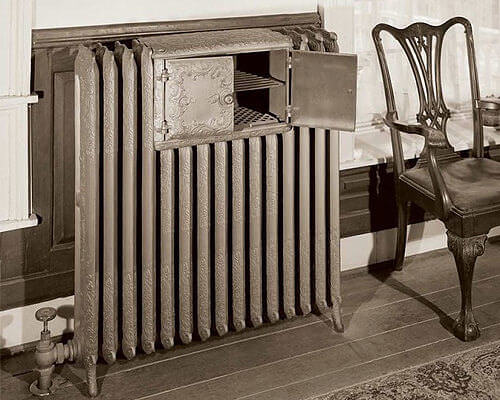
Until 1885, most houses in New York and Queens, as in other parts of the United States, were heated by brick fireplaces burning wood and derived from the Franklin cast-iron stove. At the end of the 19th century, the invention of inexpensive cast-iron radiators provided central heating. A coal-fired boiler was located in the basement. It supplied hot water or steam through pipes to radiators in each room. In addition, central heating was provided by Dave Lennox furnaces, which transported heat from the basement furnace to the rooms through air ducts without electricity or fans.
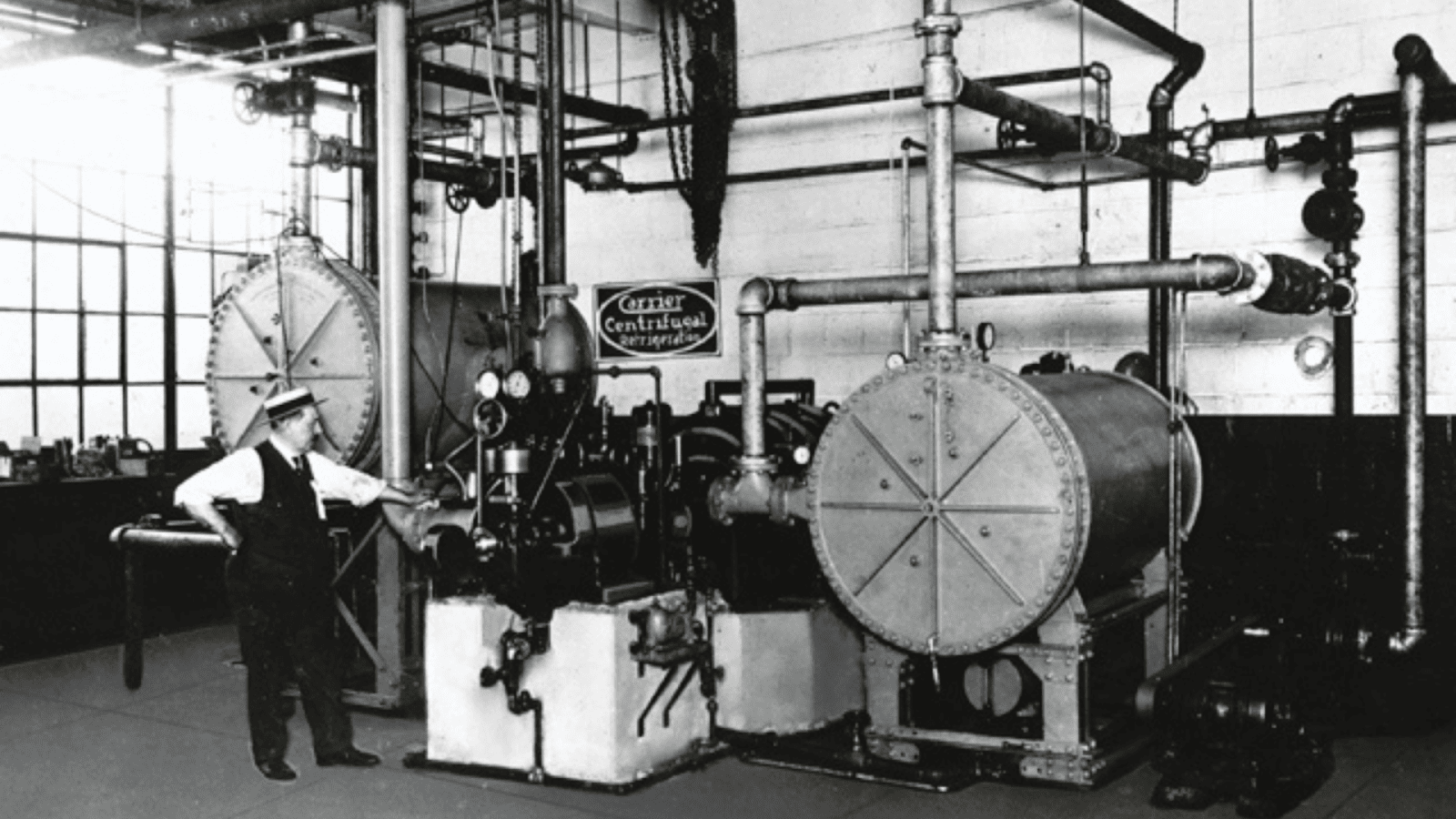
As was mentioned above, in 1935, the world saw the advent of the wall heater with a coal furnace and an electric fan. This system used coal as a heat source. The heated air was distributed through air ducts in the house. Shortly after, gas and oil versions of forced-air furnaces saved American homeowners from the hassle of lighting coal. Over time, the already mentioned HVAC systems began to develop.
The most popular systems in Queens
Given the long cold season in New York and Queens, choosing the right heating system is an extremely important task. The types of such systems often depend on several factors, such as the age of the house, existing infrastructure and requirements for modernization. The most common heating systems include:
- radiator. This system either uses hot water or produces steam, directing it throughout the entire pipe network and to individual radiators. The popularity of radiator heating is due to its simplicity, as well as high reliability and quiet operation. The system is universal and suitable for almost any number of floors and area, from a high-rise apartment building to a small country cottage. Some see the disadvantage of radiators in the fact that they can spoil the interior design. In addition, outdated systems can lead to higher electricity costs if there is a leak
- forced ventilation. This is a type of organization of air exchange in a room using exhaust fans and supply and exhaust units. Forced ventilation systems use a furnace to heat the air and are one of the most common types of heating systems in New York apartments. With the help of forced ventilation, you can quickly heat the room, and such a system is cheaper than a radiator. The disadvantages are noise, the possibility of uneven heating and heat loss in the air ducts. The latter require periodic cleaning to prevent the circulation of dust and allergens
- baseboard convectors. They are usually used as an additional, rather than the main source of heating. Convectors do not take up extra space, provide uniform heat distribution throughout the room and quickly warm up the lower plane of the room. They use electricity to heat a coil, which heats the surrounding air using convection currents. Heaters are easy to install and affordable. The disadvantage of baseboard convectors is the inability to heat large rooms. Some also consider them aesthetically unattractive
- ductless mini-split air conditioners. This is a combined heating and cooling system that does not require traditional ducts. The system consists of an outdoor unit that houses the compressor and condenser. Indoor wall-mounted units distribute heated and cooled air, providing individual or zone control. Ductless mini-split air conditioners are easy to install, they prevent heat loss and create only minimal noise. However, such a system requires high costs at the installation stage and needs regular filter cleaning and professional technical inspection. In addition, mini-split air conditioners may be powerless during severe cold weather
- radiant floor heating. This system uses a network of pipes or electric heating elements built into the floor. This heat is distributed throughout the room due to radiant heat exchange between heating devices and the inner surfaces of the enclosing structures. There are two types of heated floors: water and electric. Both provide uniform and constant heat. They are energy efficient and allow you to do without radiators or other technical devices that spoil the interior. However, the system is difficult to install, expensive and impractical for most apartment buildings.