

New York City has a thriving world-class fishing industry with more than 7,500 lakes and ponds, 70,000 miles of rivers and streams and a lengthy coastline. As a result of the availability of both fresh and salt water, New York anglers believe Queens to be an ideal fishing hotspot. Experienced fishermen are drawn to the diversity of fish species and the abundance of islands in the middle of the Atlantic Ocean. Learn more about local fishing, the best areas and months to fish and the different varieties of fish at queens.name.
An ideal environment for fish
In 1683, when New York was a province, Queens became one of its 12 original counties. It was named after the Queen of England and the Portuguese royal princess, Catherine of Braganza. In 1898, Queens became one of the five boroughs of New York City.
Queens is surrounded by numerous waterways that serve as drainage zones, borders and recreational areas, including fishing spots. Since the borough is located near large bodies of water, anglers can easily get a good catch.
In October, New York City hosts the 5 Borough Fall Brawl fishing tournament, during which local fishermen catch large fish in city reservoirs throughout the month. The winner is the one who catches the five largest fish. Queens also sponsors a number of fishing tournaments for children.
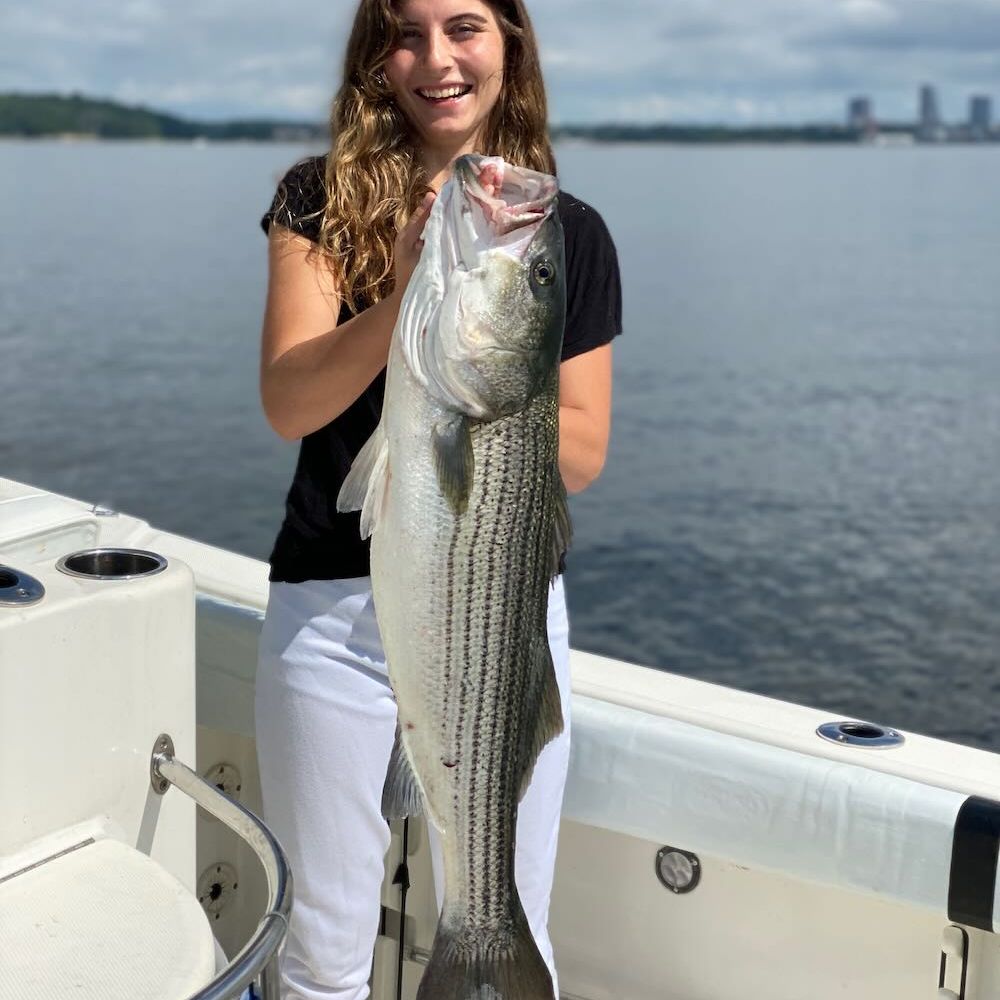
The top 10 most popular fish species in Queens include striped bass, lufar, summer flounder (Paralichthys dentatus), Atlantic menhaden, common weakfish (Cynoscion regalis), black sea bass, largemouth bass, smallmouth bass, bluegill and American eel.
Jamaica Bay fishing charters
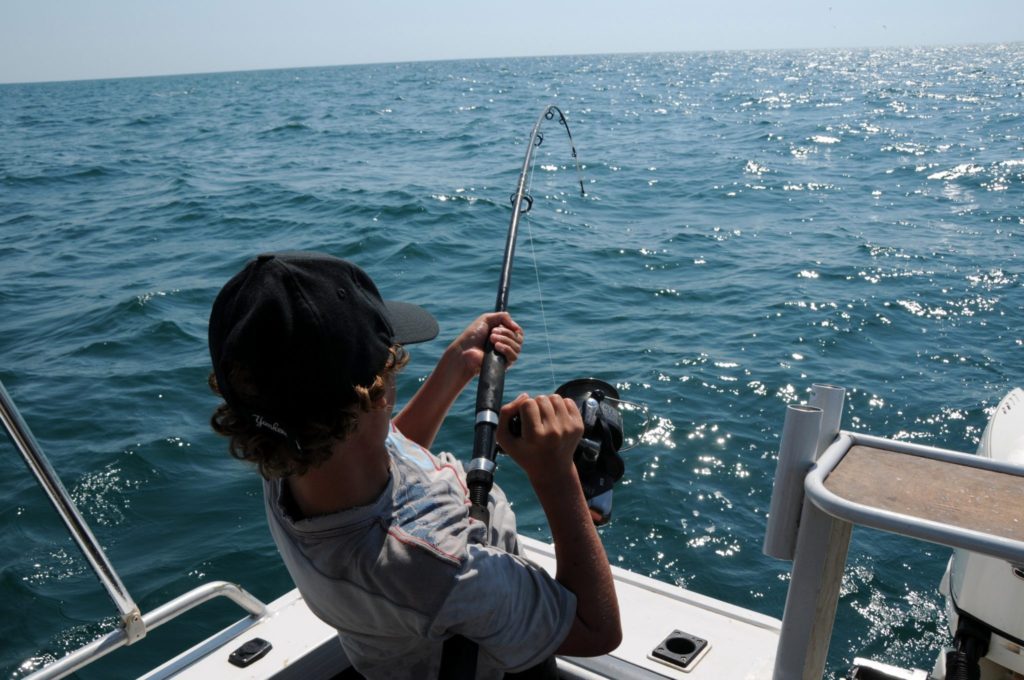
Those who enjoy deep-sea fishing can book fishing charters, which are easily accessible in Queens. The southernmost part of the borough, between Jamaica Bay and the Atlantic Ocean, is where most charters sail. Jamaica is a lagoon on southwestern Long Island that is separated from the Atlantic Ocean by the Rockaway peninsula. Jamaica is shallow, with certain areas being very swampy. The average depth is four meters. The richness of food resources in Jamaica, as well as its position along migratory bird migration routes, draw a great number of birds to the bay.
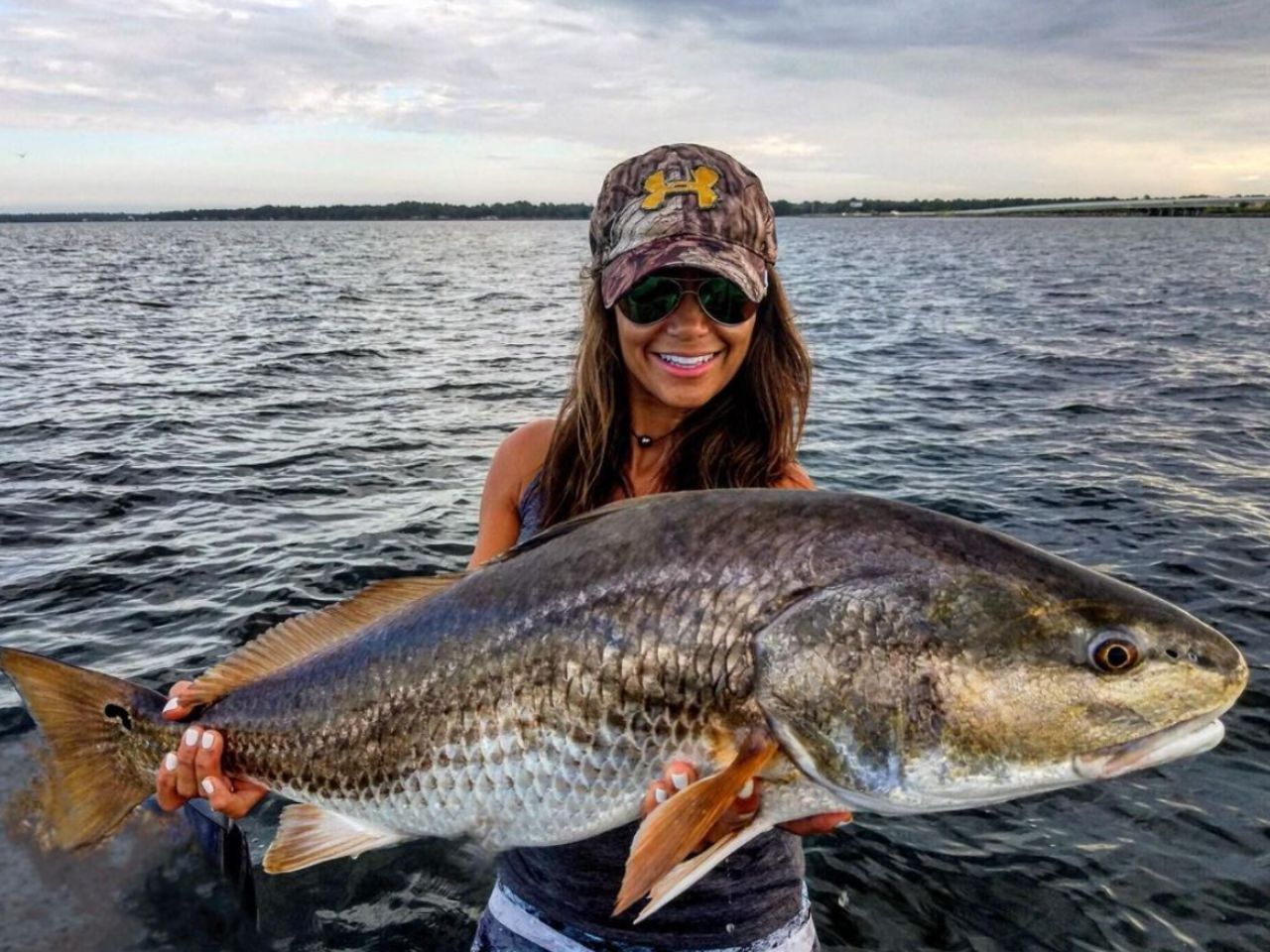
Jamaican salt marshes are known for being one of the most biologically productive habitats, sustaining a diverse range of fish species. The bay also serves as an estuary with a source of fresh water. It is abundant with striped bass, lufar, common liver fluke, Atlantic menhaden, Atlantic palamida, mullet, albacore, black sea bass and other species.
The most effective methods here are: fishing with a hook that resembles a fly or other insect, employing a popper (an effective bait that resembles a small fish, frog or insect) and casting bait. Anglers usually fish using watercraft like boats or kayaks, while some species can be caught from the shore. The majority of fish can be located in places with a lot of vegetation since bait comes here. Warm water provides a rich catch. Muddy foreshore areas and water channels also provide attractive fishing spots due to the amount of fish food.
Ocean fishing
The Atlantic Ocean flows south of Queens, and you can go fishing off the coast there. Species that can be caught off the coast include Atlantic menhaden, black sea bass, Atlantic mackerel, Atlantic herring and Atlantic cod. In addition, fishermen should look for American eel, lufar and striped bass.
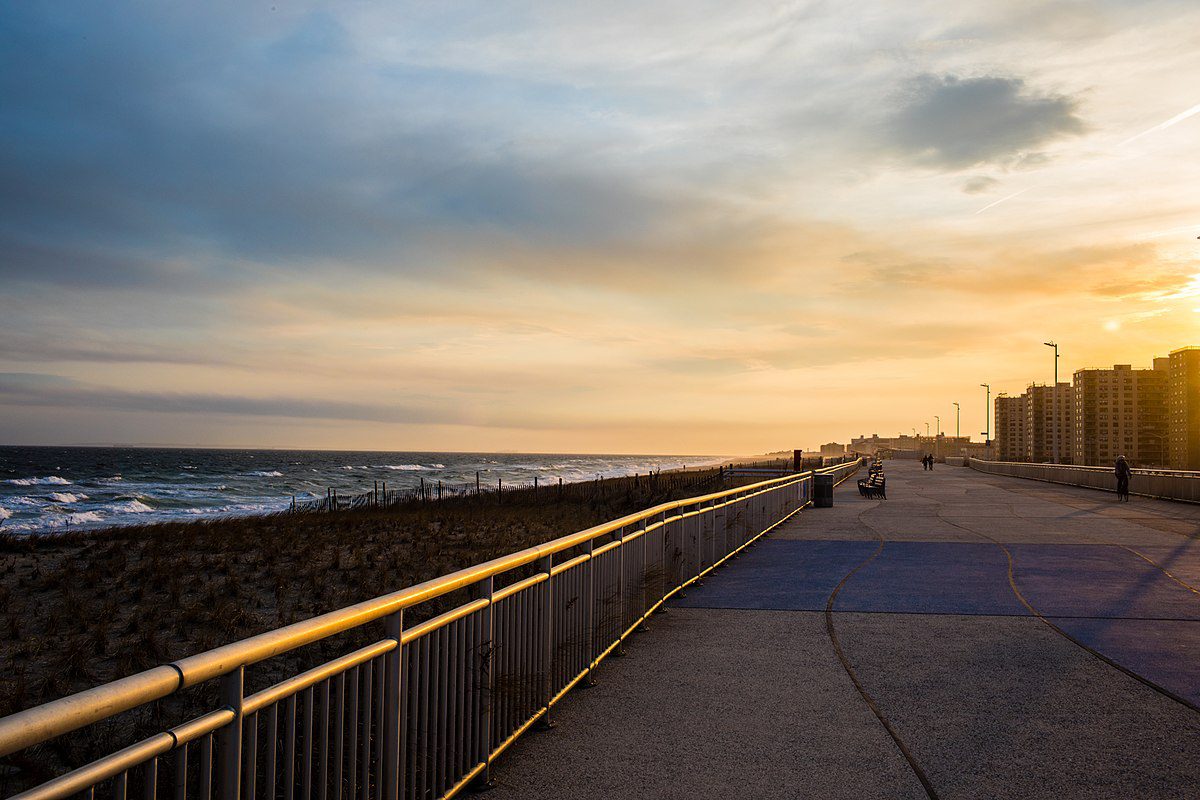
Following a successful fishing trip, you can surf and travel to the Rockaway peninsula, where the popular Rockaway Beach is located. Here you can catch summer flounder, striped bass, lufar and sea roosters.
The beach is a part of the Rockaway Beach and Boardwalk public park. Residents of Manhattan settled here following the 2012 powerful tropical storm Sandy. Here, they began surfing, cooking Mexican tacos and making frozen Pina Coladas. Since then, the beach has been a popular vacation spot for New Yorkers. City people and tourists alike enjoy the summer months on this 7-mile peninsula near the sea. In addition to relaxing on the beach and participating in water activities, you may visit wonderful shops, food trucks, open-air bars and much more.
Fishing within the city limits
Freshwater fish can be found in a variety of places around Queens. The Newtown Creek, an East River tributary, flows near Brooklyn. Here, you may find largemouth and smallmouth bass, bluegill, pumpkinseed (Lepomis gibbosus), common carp, brown trout and black goby. Crab fishing is also popular here. Newtown Creek features multiple boat access locations, as well as an onshore fishing spot. Boat tours, canoeing, kayaking and diving are available as well.
The East River strait itself is a feasible source of fresh water, however, the salt level varies according to the tides and time of day. Its inhabitants include oyster toadfish (Opsanus tau), white perch (Morone americana), Atlantic needlefish (Strongylura marina), crappies, American eel, striped bass and liver fluke. Here, it is also possible to catch large goldfish, which were thrown out of home aquariums by locals. The East River is ideal for urban fishing due to its wide banks. Fishermen here are mostly engaged in spinning, using artificial and natural baits, catching tackle and throwing bait.
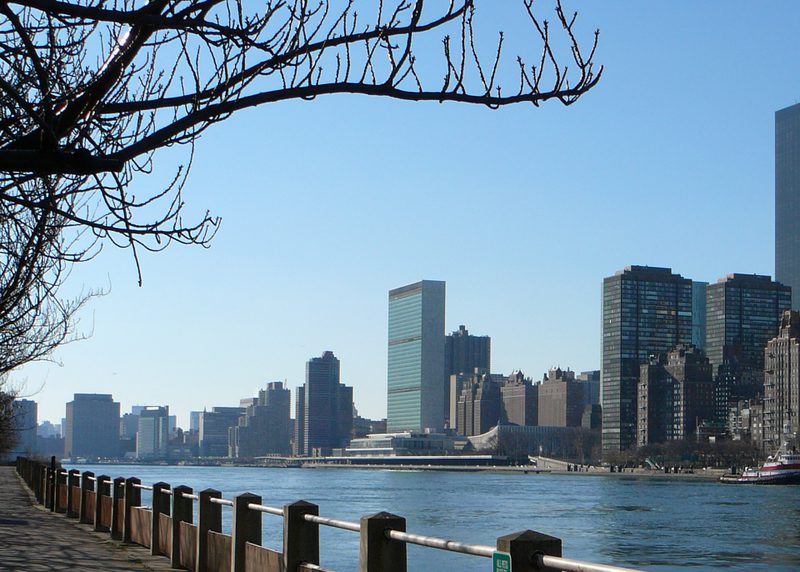
More freshwater species can be found at Flushing Bay and the river of the same name, which are linked to the East River. The bay is home to striped bass, lufar, tub gurnard, summer flounder (Paralichthys dentatus), tautoga (Tautoga onitis), Australasian snapper (Pagrus auratus) and Mississippi carapace turtle. Interestingly, Flushing Bay was an important food source for the Native American tribe and the first European settlers, providing them with fish, shellfish and waterfowl. Following the American Civil War, the area around the bay became a resort for the rich.
Nearly the same fish species as those found in Flushing Bay can be found in a marine wetland area at the mouth of the Flushing River. The river’s freshwater section flows into Lake Meadow, which is home to the American eel, largemouth bass, northern snakehead and white mullet (Mugil sigema). Here you can also find smallmouth bass, black crappie and smooth dog shark.
Seasonal activity
April and May are the best months for fishing in the surrounding waters of Queens, such as Jamaica Bay and the Atlantic Ocean. During these months, shrimp swim in the waters, providing the main food source for Atlantic menhaden, bass, lufar and summer flounder. Fishing in small bays is most effective around June and July, when bigmouth bass, lufar and common liver fluke seek small crabs.
Striped tuna (mackerel) is best caught in August when there is a mass release of bait fish and albacore can also be caught later this month. In September, fishermen can still come across menhaden and mullet. The hunting season for largemouth and smallmouth bass lasts from June to November.