

Ravenswood Generating Station is a major power plant located in the former industrial zone of Long Island City in Queens. The power plant supplies energy to 20% of New York City. Find out more information at queens.name.
A bit of history
In 1882, Pearl Street Station, the first commercial power plant in the United States, began producing electricity. It was located at Pearl Street in Manhattan, New York.
The plant ran on coal as fuel. By 1884, it was serving 508 clients. Pearl Street Station was powered by high-speed steam engines. While steam engines generated grid electricity, the thermal byproduct provided steam heating to local manufacturers and nearby buildings in the same Manhattan neighborhood. As a result, it became the world’s first cogeneration plant, which means that it was capable of producing both heat and electricity at the same time. The station burned down in 1890, destroying all of the dynamos except one, which is preserved and displayed in a museum.
New York’s largest power plant
In 1963, Consolidated Edison of New York Inc. built the first two units of Ravenswood Generating Station in Queens. In 1963, the station was commissioned the Ravenswood No. 3 natural gas facility. This was the world’s first 1 million kilowatt unit. It was large enough to serve 3,000,000 people. At the time of installation, it was the world’s largest steam generator.
When the plant was launched in the 1960s, there were numerous mechanical issues that needed to be addressed. Other units were then added, and in the 1970s, turbines with multiple combustion engines were erected to meet the energy needs of peak power. For a while, it was even considered that the plant would be fueled by a nuclear reactor. However, these plans were thwarted by community opposition and the New York City Council’s ban on commercial nuclear power anywhere within the city limits.
Interestingly, the factory is located on the site of the former Jacob Blackwell house, which was built back in 1744. In the 1860s, this location became the center of luxury estates along the riverbank. Subsequently, seeking isolation from the chaotic crowds and the heat of the immigrant city, the rich relocated east to Long Island, leaving the mansions unoccupied. In the late 1870s, many of them were converted into orphanages and shelters. In the late 1880s, industrial production began to grow in the neighborhood, and it became home to hundreds of small factories that thrived along the lively East River.
Due to the abolition of state regulation of energy markets in New York State, Consolidated Edison of New York Inc. sold all power plants in New York, including Ravenswood Generating Station. In 1999, ownership was transferred to KeySpan Energy. In 2004, this company constructed a new unit utilizing combined cycle technology. Steam and electric generators were powered mainly by natural gas while using small amounts of fuel oil and kerosene.
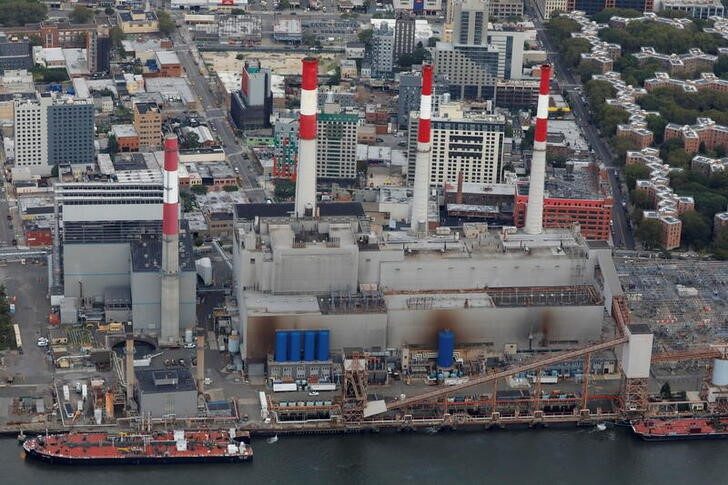
Later, Ravenswood Generating Station was acquired by LS Power/Helix Energy Solutions Group. In 2019, the construction of a 316 MW battery storage system was announced. As a result, Ravenswood Generating Station has become the largest power plant in New York. People refer to it as “Big Allis”. This name was given to the station owing to the construction company’s name, Allis-Chalmers Corporation, and since it is the world’s first power plant with a capacity of one million kW.
Clean energy center
In 2023, the oil and gas industrial facility set a course to become an environmentally friendly energy center that uses renewable energy sources. New York has mandated that state plants acquire 70% of their electricity from renewable sources by 2030. To that aim, Ravenswood Generating Station has established a training program to ensure a smooth transition for personnel working on new equipment. The plant’s employees became the first fossil-fuel power plant workers in the United States to be retrained for offshore wind farms.
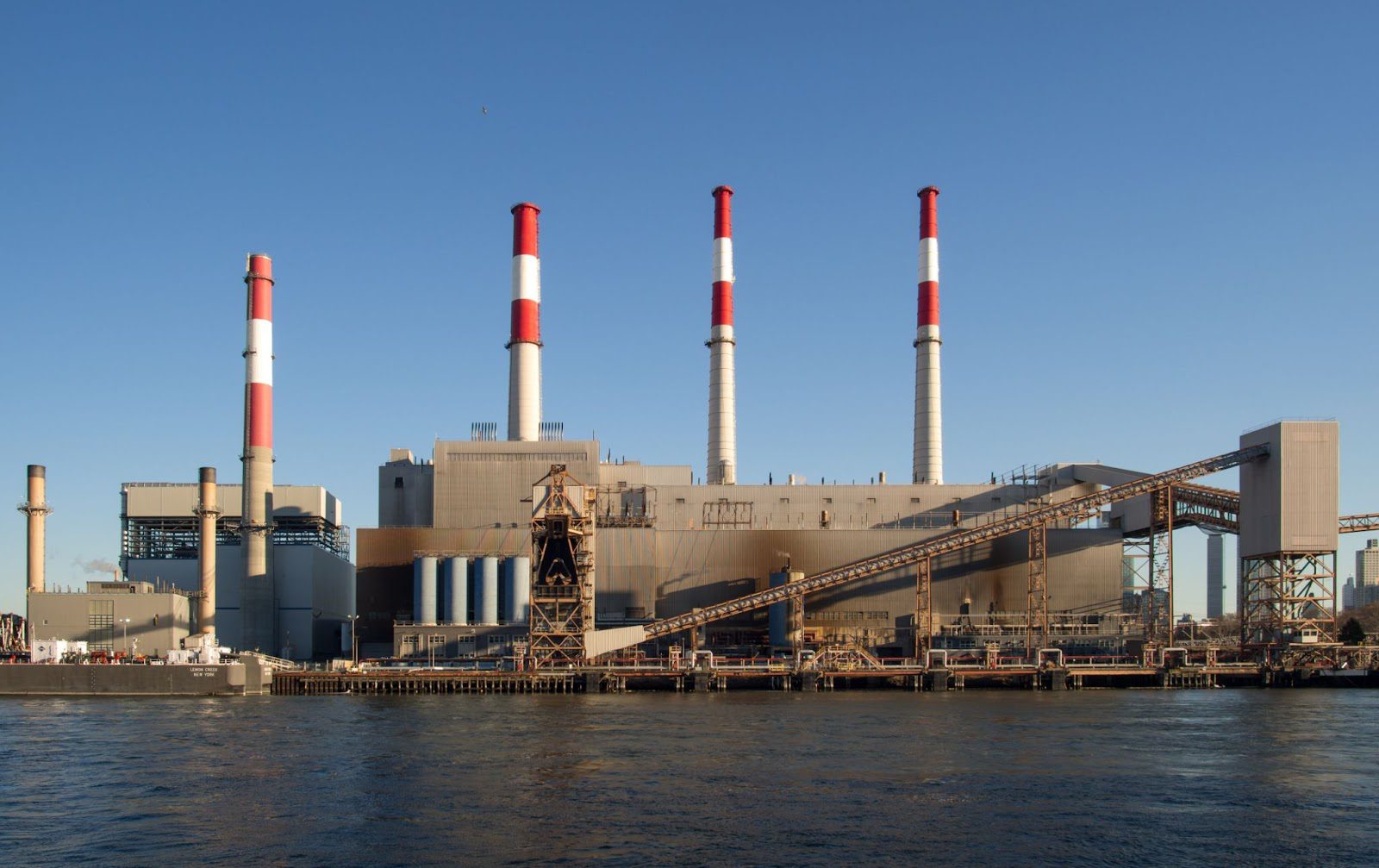
According to the plan, the three 1960 steam generators will be replaced by offshore wind and solar energy, while retaining the new 2004 plant, which runs on a combination of gas and steam. Prior to this, an air assessment was undertaken in New York City, revealing slightly higher levels of nitrogen oxides and particulate matter in Long Island City, south of Ravenswood Generating Station.
That is why the plant has begun executing a strategy for quickly deploying low-carbon energy resources, providing consistent energy security, availability and reliability. The power plant’s transition from fossil fuels to renewable energy sources contributes to the state’s commitment to environmental justice by closing power plants near disadvantaged communities and preserving and creating a large number of well-paid jobs in trade unions.