

New York’s lands have been dug up for centuries to build basements, subway trenches, underground railways, sewers, water and steam tunnels. During these projects, geologists, builders and ordinary residents discovered a significant amount of mineral deposits. Read more about the minerals and rocks found in New York and Queens in particular at queens.name.
Over 120 types of minerals
Fordham gneiss was formed over 1 billion years ago and is considered the oldest bedrock formation in New York. It consists mainly of quartz, feldspar, mica, amphiboles, pyroxenes and garnets. This gneiss starts in the Bronx and stretches to Manhattan, Queens and Brooklyn.
The pioneer settlers mined mineral resources for the metallurgical industry and production of building stone and lime. Modern blast furnaces prompted the development of the iron casting industry, which led to the beginning of large-scale mining in 1830.
The territory of Queens and Brooklyn are formed by moraines, which are accumulations of unsorted fragmental material that was transported and deposited by glaciers. In this area, scientists frequently discovered fossils in the erratic sediments carried by the glacier. The moraines converge near the eastern border of Queens and extend southwest through Brooklyn.
Overall, geologists have found over 120 types of minerals in New York. In 1818, the Lyceum of Natural History of New York was founded in Manhattan. It was the main city scientific institution for geology and mineralogy at that time. In 1876, the institution changed its name to the New York Academy of Sciences. It is one of the three oldest scientific societies in the United States.
Treasures of Water Tunnel No. 3
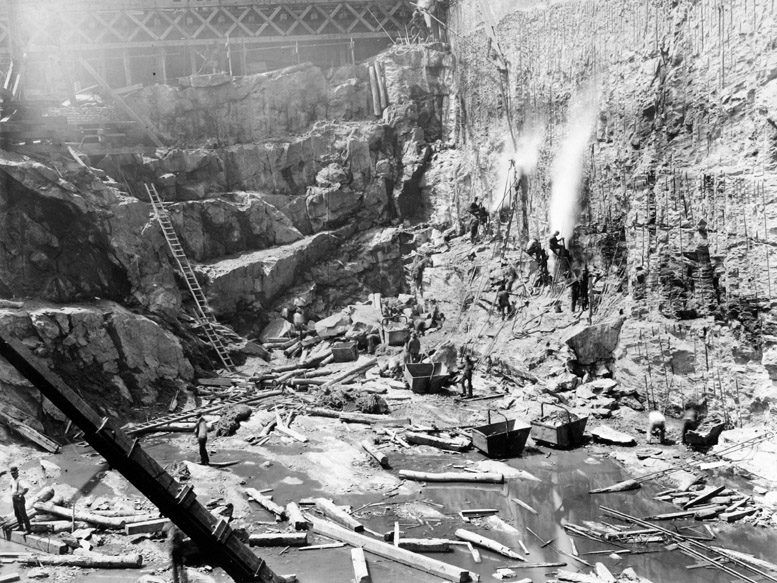
In 1970, the construction of Water Tunnel No. 3 began in Queens to reduce the load on the other two tunnels. It also runs under the Bronx, Manhattan and Brooklyn. At the beginning of the building process, traditional drilling and blasting methods were employed, which involved explosives being used to break up the rock formations. Later, tunnel-boring machines were introduced to grind up the excavated rock. These machines destroy large samples of collectible minerals, leaving only a small portion in fracture zones.
Prehnite deposits were discovered in Water Tunnel No. 3. This gemstone is named after Colonel Hendrik von Prehn, who first collected its samples at the Cape of Good Hope. Prehnite has a light green, white, yellowish-green, gray-green or brownish-yellow color.
Prehnite is rarely used in jewelry. According to alternative medicine, a necklace with this stone improves the immune system, and bracelets help patients with anemia. Additionally, prehnite jewelry is said to alleviate symptoms of gout. Wearing them near the kidneys can help recover from renal failure. Earrings and pendants enhance attentiveness. Magicians and mediums use this stone for meditation. In Europe, people believe that prehnite makes women more attractive and attracts men.
In this same tunnel, particularly in the Woodside area, large deposits of calcite are preserved. The solid mineral is a white crystal, but impurities make it dark amber, light yellow and sometimes blue. The curative properties of сalcite can aid in improving the condition of patients suffering from intestinal, spleen and kidney diseases. Calcite interspersed silver jewelry is thought to be able to cure colds. Calcite pendants and rings affect heart diseases. As for magical properties, the stone allegedly helps develop psychic powers.
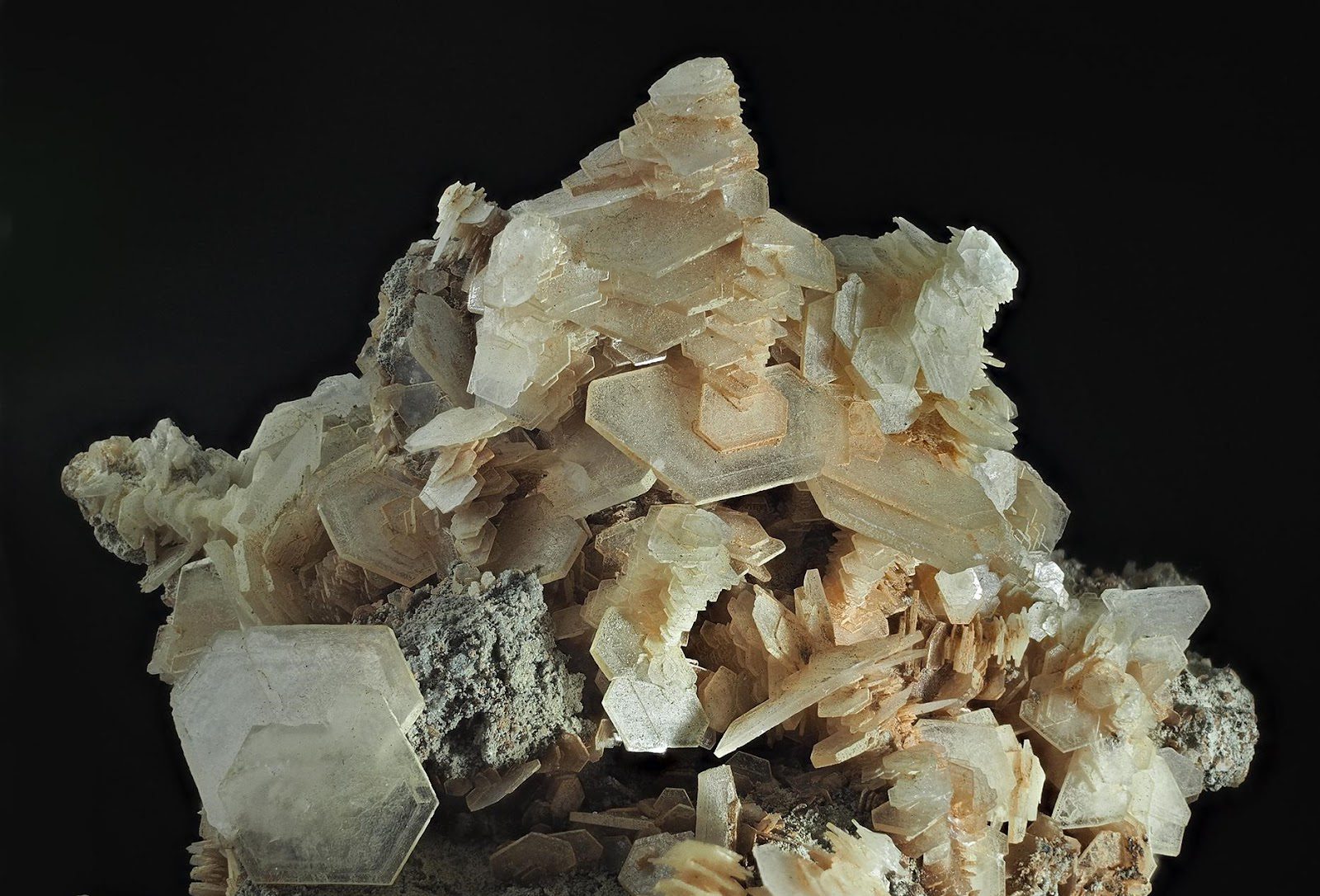
Stilbite, a hydrated calcium-sodium-potassium aluminosilicate, was also found in the tunnel. Large stilbite plates over 50 cm in size of red-orange and brown colors were discovered in the 1970s. It was before the introduction of tunnel drilling machines.
Geologists came across apophyllite, a sodium and calcium silicate, in the layers of shale and gneiss. Apophyllite supposedly serves as a conductor between the physical and spiritual worlds. It allows you to easily sink into a state of meditation, relax and let go of anxiety and worries.
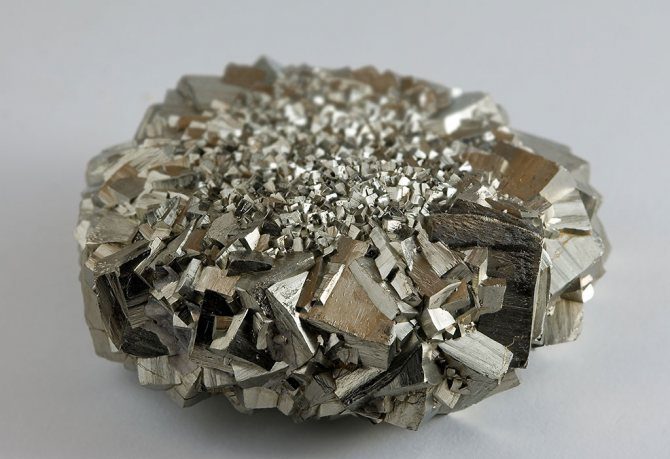
Pyrite is another mineral that can be found in this tunnel. Pyrite is difficult to confuse with other stones because of its unusual appearance. Some people believe that this precious stone can cure depression and apathy as well as lift the spirit. Using pyrite as a mascot can make a person more eloquent, charismatic, charming, fearless and confident. It is a powerful amulet for attracting money, bold actions and starting your own business. Pyrite inspires creative individuals for new masterpieces.
Other deposits
While digging a tunnel in the working-class district of Queens College Point, geologists collected samples of orange stilbite crystals. On them, they discovered crystals of two other minerals, ancylite-(Ce) and calcioancylite-(Ce).
Calvary Cemetery in Queens is another place filled with mineral deposits. For example, calcite crystals were found here. By the way, this cemetery has the largest number of burials in the USA (approximately 3 million graves). The cemetery is divided into four sections and covers the areas of Maspeth and Woodside.
Common minerals
Heulandite, a hydrous calcium and aluminium silicate, is hidden in various parts of the borough. It is a popular mineral among collectors. Heulandite is also a great raw material in the production of jewelry. Well-known brands use it for making earrings, rings, necklaces, beads, pendants and bracelets. Since unique specimens of the gem are quite rare, not every jeweler can boast of having this stone in their collection.
It is said that the stone’s aura is so strong that it can boost the immune system and eliminate chronic diseases. According to the belief, heulandite is capable of removing toxins from the body that come with food. Moreover, it enriches the body with trace elements necessary for the digestive system. Heulandite is considered a real magical stone that absorbs negative energy.
Another common mineral found in the cracks of Queens’ geological rocks is laumontite. The stone is named after the French researcher Laumont. Laumontite can be transparent, white, yellow, red and brown.
In different locations throughout the borough, geologists extracted quartz, one of the most abundant minerals in the earth’s crust. Quartz is distinctive for its nonmetallic lustre and hardness (leaves scratches on glass). Jewelry with this gemstone looks very bright.
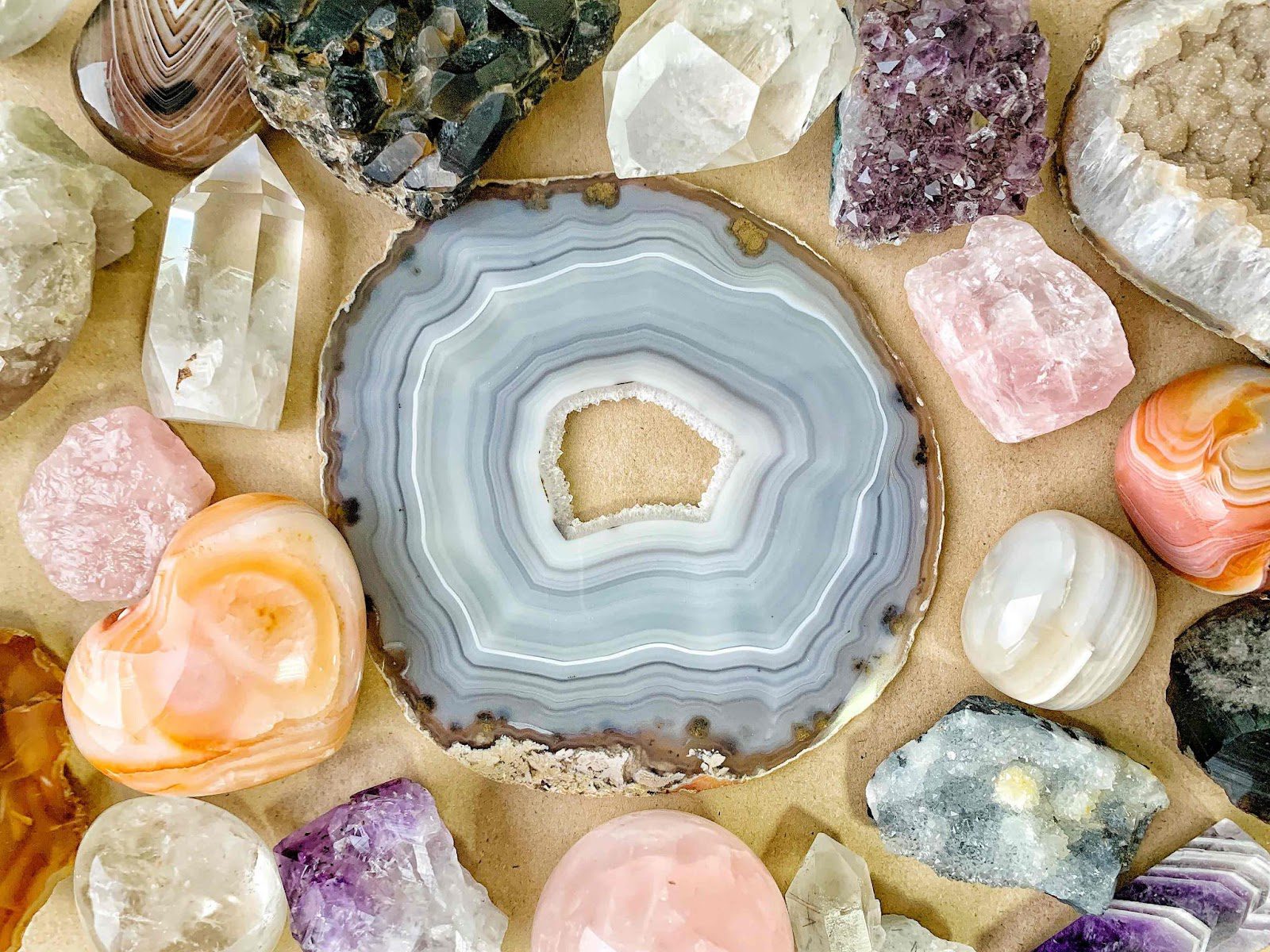
Healers claim that quartz has a positive effect on the respiratory system and suggest keeping the stone at hand if you catch a cold. Water infused with quartz has the most valuable qualities, including antiseptic properties. It has a beneficial impact on the entire body and serves as a preventive remedy against many diseases. Quartz water is recommended for cosmetic purposes as well, as it can rejuvenate the skin, smooth out wrinkles and relieve inflammation.
Quartz has always been associated with magical properties. Ancient magicians believed that quartz crystals could record signals sent by the Universe to humans. It is no wonder that a magical quartz sphere is used for predicting the future and uncovering secrets of the past.