

On the night of October 29-30, 2012, the east coast of the United States was paralyzed by a powerful tropical cyclone. Superstorm Sandy caused significant damage to the Central Atlantic and Northeastern states of the United States, as well as Canada, Jamaica, Cuba, Haiti, the Dominican Republic and the Bahamas. Read more about one of the most costly natural disasters in the history of the United States and its impact on New York City and Queens in particular on queens.name.
The origin and development of the hurricane
Climate change and adverse weather conditions have led to storm waves of catastrophic proportions. Sandy began on October 19 as a tropical wave in the Caribbean, in the warm ocean waters of the North Atlantic. Over the next few days, this wave headed westward into the Caribbean Sea. Absorbing energy as it moved north, it developed into a storm.
On October 24, with a speed of 130 km/h in the waters south of Jamaica, Sandy was already classified as a Category I hurricane. In the evening of the same day, wind speeds increased to over 144 km/h (Category II hurricane). On October 25, the speed was already 177 km/h, when Sandy was recorded over the eastern parts of Jamaica and Cuba.
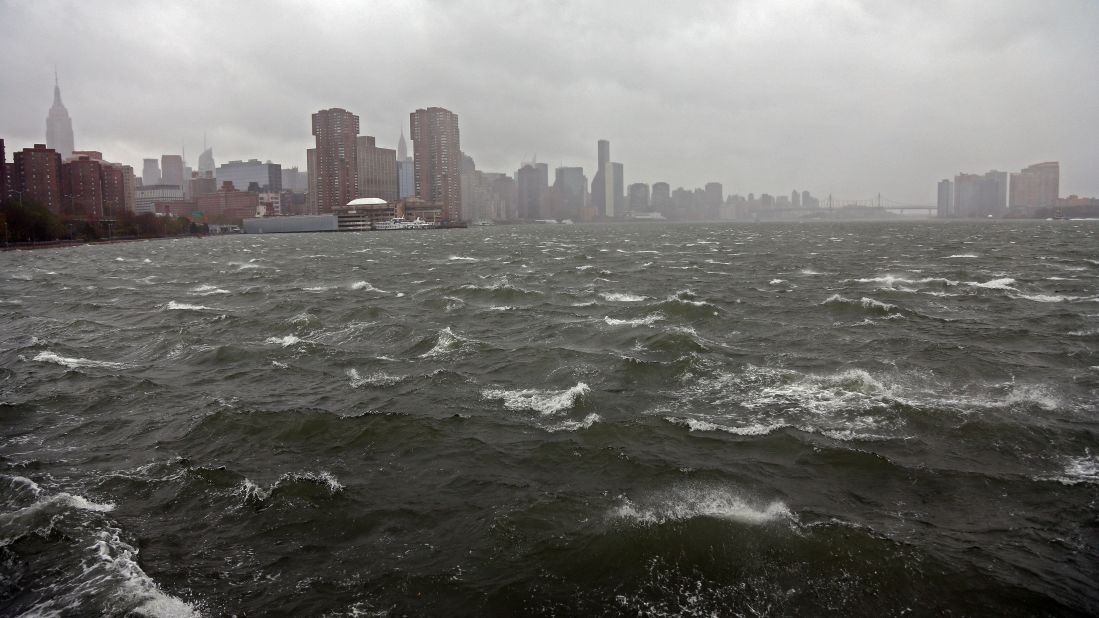
By October 28, the hurricane’s intensity had decreased. When it passed over the Bahamas and the coast of the southeastern United States, its speed increased again. On October 29, the storm turned westward toward the Central Atlantic States and Atlantic Canada, and at 8:00 p.m. it made landfall in New Jersey. Over the next 4 days, Sandy headed north before coming to rest over Eastern Canada on November 2.
Consequences
The hurricane caused flash flooding that killed 147 people and caused significant property damage. 72 of them died in the Caribbean region, another 72 in the continental United States, 2 in the Atlantic, and 1 in Canada. In total, the hurricane caused at least 285 deaths.
Strong winds and heavy rains in southern Haiti destroyed crops and tore down thousands of tents. Refugees had been living in these temporary shelters since the 2010 earthquake in Haiti. The hurricane left approx. 200,000 people homeless.
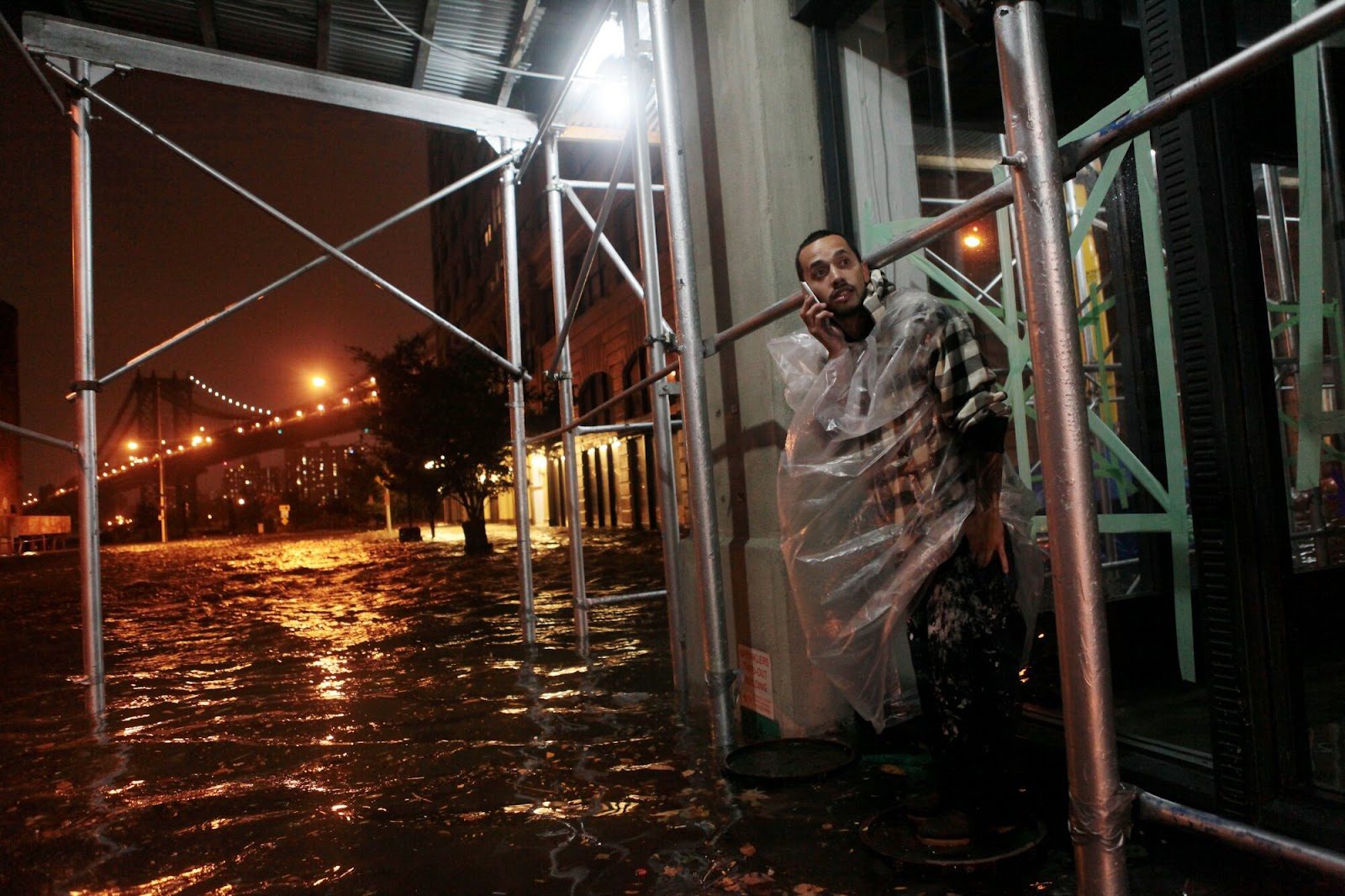
However, residents of the United States suffered the most injuries and material damage. More than 8 million people lost power. Several cities and towns along the Atlantic coast of New Jersey and New York were completely destroyed. Air, rail and road transportation in these states came to a standstill. More than 20,000 flights were canceled at airports. The storm caused over $70 billion in damage to the United States and became one of the most expensive natural disasters in the country’s history (after Hurricane Katrina).
NYC was hit hard on October 29-30, the city itself, the suburbs and Long Island (the boroughs of Brooklyn and Queens are on its western edge). The rivers, harbors, canals and oceanfront that helped make New York a tourist destination suddenly became its greatest vulnerability. The hurricane caused flooding of the Hudson River, New York Harbor and the East River. Some subway lines, tunnels and numerous homes and businesses were damaged. Since most of New York’s critical infrastructure was in the flood zone, Sandy affected the operation of hospitals, nursing homes, power plants and sewage treatment plants.
Flooding and power outages forced the New York Stock Exchange (the world’s largest) to close for 2 days in a row. At least 43 people died in NYC, and 53 across the state. Most of them drowned in their homes, and the rest were electrocuted by broken power lines in the water.
Implications for Queens
As for Queens itself, the Breezy Point neighborhood, located on the western part of the Rockaway Peninsula, was particularly affected. It is washed by the Rockaway and Jamaica Bays to the north and the Atlantic Ocean to the west and south. In Breezy Point, flooding and fires caused by strong winds destroyed more than 100 homes. Firefighters, unable to approach the fire due to flooding, were forced to watch as the fire consumed the houses one by one. The water level there reached 1.6 meters. In the Maspeth area, it reached an even higher level of 1.8 meters.
Strong waves completely covered the Rockaway Beach Boardwalk and damaged the buildings there. Most of Cross Bay Boulevard in Howard Beach was under water. In Howard Beach, despite numerous attempts to restore the area, some buildings could not be reconstructed even after 5 years.
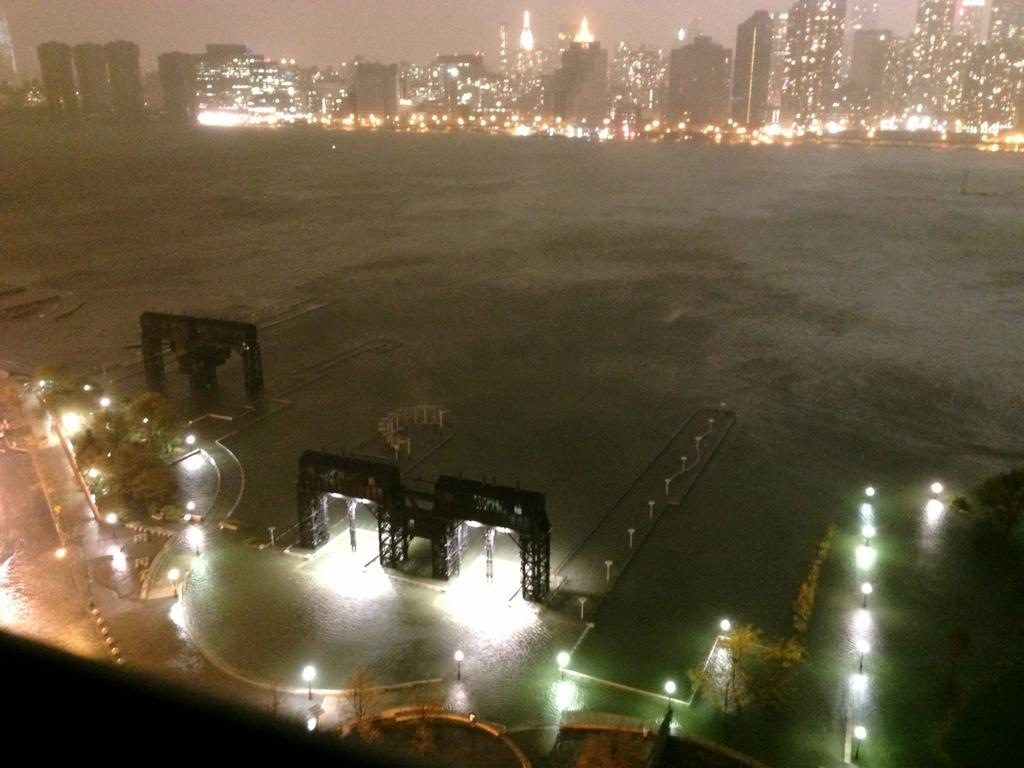
As of the morning of November 2, 84,000 Queens residents were without power. The G train (which runs between Queens and Brooklyn), the Rockaway Park Shuttle (a Queens subway train), and the B, C and Z trains were suspended. By November 3, subway service was restored by 80%. The Queens-Midtown Tunnel, a highway tunnel under the East River connecting Manhattan and Queens, was completely flooded. It was only reopened on November 7.
The emergency caused a wave of panic. For example, on November 1, one of the drivers was arrested on charges of threatening behavior with a weapon. He tried to cut the line at a gas station in Queens by pointing a gun at another motorist.
Gasoline, which is in demand among owners of both vehicles and home generators, has become scarce. The fuel shortage increased emotional tension among residents of not only NYC, but also New Jersey and Connecticut. They suffered the most from power outages. Emergency gasoline trucks were used to fuel vehicles and generators in Queens.
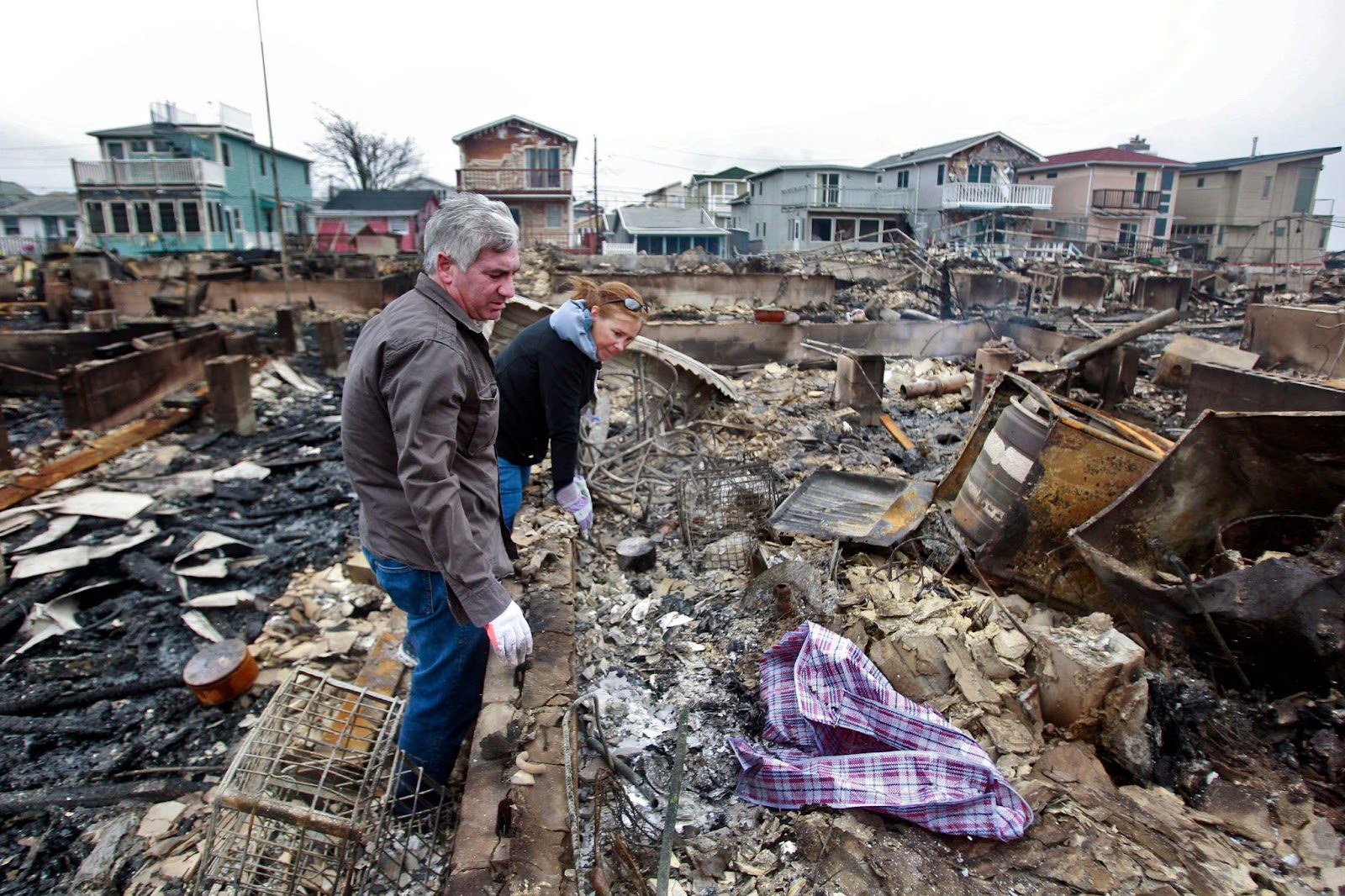
People from all over the city and the country gathered to help the victims of the bad weather. Communities organized impromptu relief efforts. Numerous organizations rushed to Queens. The Southern Baptist Convention (the largest Protestant organization in the United States) set up a food center in the Ozone Park neighborhood.
The result
After Sandy, a team of climate scientists, government officials and planning and design experts worked hard to prevent similar disasters from happening in the future.
The NYC Housing Authority has spent more than $3 billion on repairs after thousands of people in public buildings spent months without heat and electricity. Backup generators were installed in many buildings. Heating, ventilation and air conditioning systems were moved to the roofs. In 9 major hospitals in NYC, generators, diagnostic rooms and laboratories that were in basements were moved to the upper floors. Other efforts included building flood walls around boiler rooms and adding storm gates to residential buildings.
Some subway stations had to be renovated. More than 10 underground stops had to be modernized. Subway vents have been re-equipped to close when a certain water level is reached. The NYC Department of Parks and Recreation has updated guidelines for green spaces, coastal areas and drainage systems on esplanades, beaches, playgrounds and sports fields.
Emergency notification systems were also updated after Sandy. The National Oceanic and Atmospheric Administration has expanded the category of storms for which hurricane warnings are required. The number of emergency shelters was increased to 120,000 citywide, with accessibility for people with disabilities. Although significant steps have been taken, the city is still vulnerable.