

Flushing Meadows Corona Park is home to one of Queens residents’ favorite locations — the zoo. Whether you want to explore the zoo’s historic grounds, watch the Andean bears play, or spend time on the farm, there is something for everyone. For more information on this display of American wildlife, check out queens.name
A zoo originally designed to be cage-free
The Queens Zoo was opened on October 26, 1968. Over ten thousand people visited Flushing Meadows Corona Park to see the grand opening. The zoo was initially designed to be cage-free, allowing the animals to live in naturalistic conditions.
The geodesic dome at the zoo was originally constructed as the main indoor gathering place for the 1964 World’s Fair, a significant event that highlighted advancements in technology and industry. By the way, Flushing Meadows Corona Park was built specifically for the World’s Fair back in 1939. In 1965, the dome was transformed into a memorial for Winston Churchill. This 175-foot-wide dome was considered one of the largest single-layer structures during that period. After the fair, it was taken apart, stored, renovated and eventually reassembled as an aviary at the zoo.

It was back in February 1968, that the Queens Zoo introduced a farm within its premises. Ever since, local kids have had the opportunity to see farm animals like chickens, goats, cows and more.
Early in its history, the zoo suffered from poor employee performance and the financial crisis of the 1970s. By 1979, authorities labeled it a ‘poor man’s zoo’ as it was run-down and lacked funds. A few wolves managed to get away from their keepers and surprisingly, the sea lion pool was inhabited by beavers.
The zoo underwent renovations in 1988, costing sixteen million dollars. It opened its doors to the public again in June 1992. It’s worth noting that the space is not lacking in artistic elements with ornate bronze gates featuring a variety of mammals, birds, marine life and plants.
Over 75 species of animals
The zoo houses over 75 species of animals from North and South America. It is the only one of NYC’s five zoos that is home to Andean bears, a relatively small animal native to South America. Additionally, there are pumas, California sea lions, coyotes, Canadian lynxes, American alligators, bison, trumpeter swans, king vultures, sandhill cranes and great horned owls. There is also an insect house.
Activities to enjoy at the zoo
Make sure to stop by the zoo aviary during your visit to the Queens Zoo – it’s a must-see! Once you enter, you will find yourself surrounded by beautiful birds like cattle egrets, Ara macao, black-crowned night herons, Virginian quails, sandhill cranes and a variety of other fascinating birds up close.
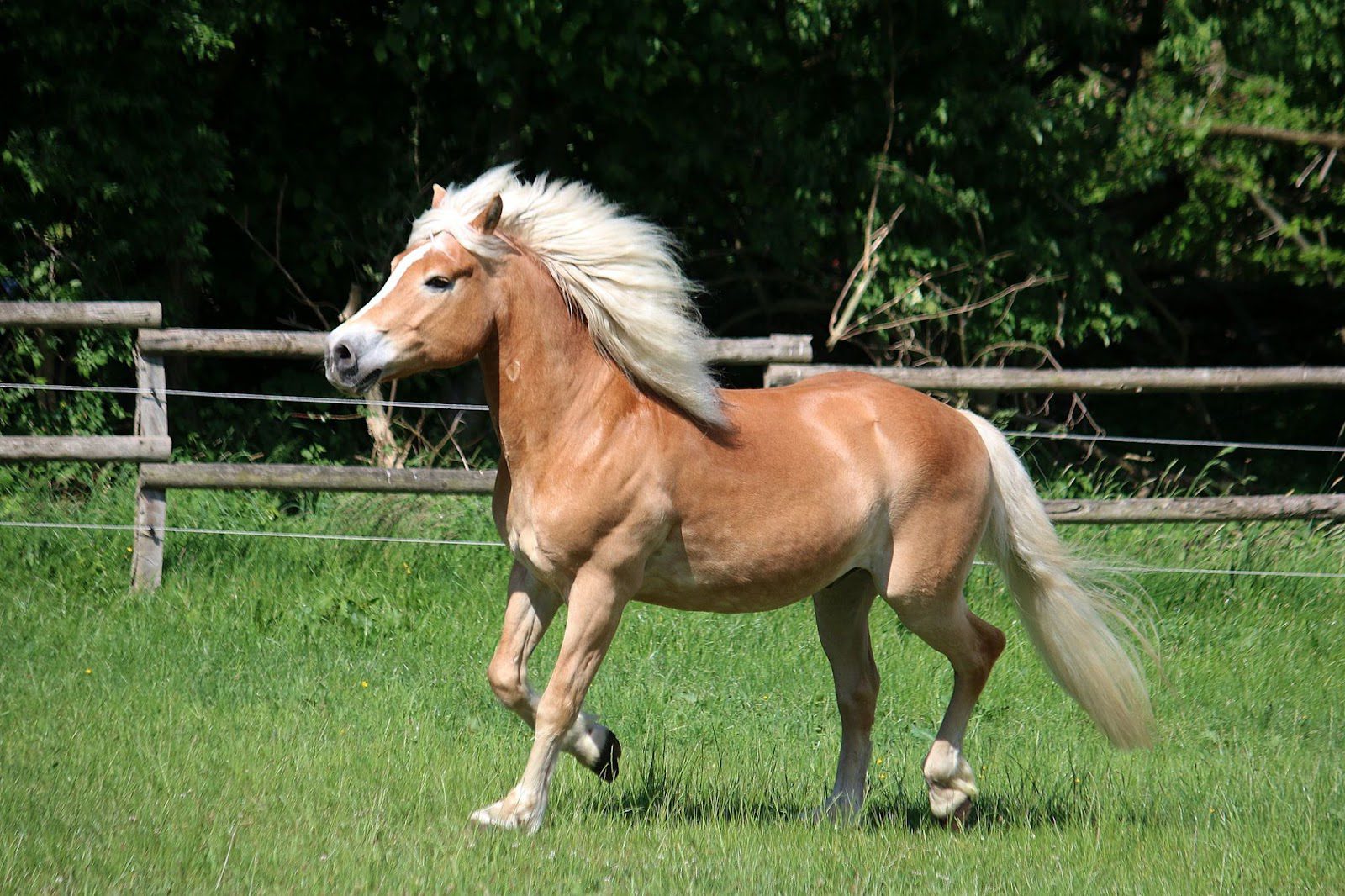
Don’t miss the opportunity to meet the adorable domestic animals at the local farm. Pay a visit to sheep, donkeys, cows and alpacas. Kids will love it! The Haflinger pony, Chablis, is a guest favorite. This unique breed of horses originated in Austria and Northern Italy in the late 1800s. These horses are known for their petite size and chestnut coat with flaxen mane and tail. They have a lot of energy, yet they move gracefully and are strong but also very refined.
You might also want to check out alpacas, which are a type of domesticated camelid native to South America. You can find them in Peru, Bolivia and Chile, where they graze in the high Andes Mountains. Alpacas are smaller than llamas and are not typically used as draft animals. Their somewhat pointed heads help them reach grass between rocks in the mountains. These animals can survive without water for days, just like all camelids. Their bodies are covered in soft, long fleece similar to merino wool, which is why alpacas are actively bred. The soft fleece of alpacas is even stronger than sheep’s wool.
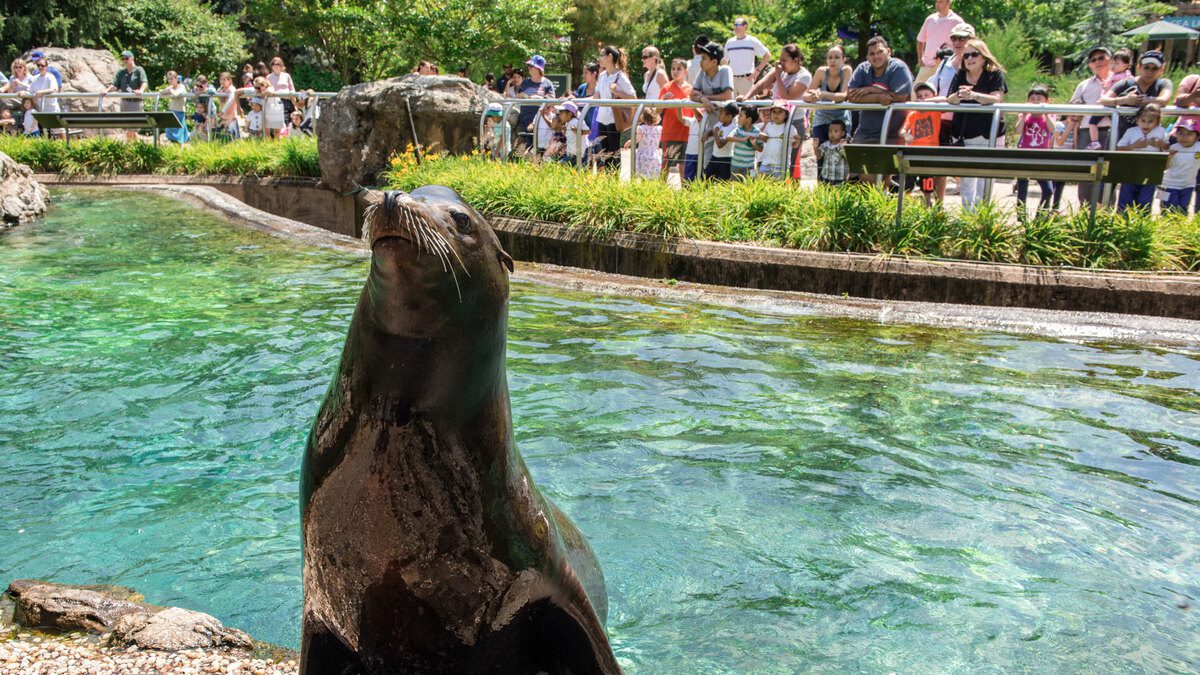
Among the most well-liked residents of the zoo are the sea lions. Their voices sound like hoarse growls. What’s interesting is that on average, sea lions live 20 to 30 years in the wild. Male California sea lions can grow to be eight feet long and weigh over 1,000 pounds, while females are usually about six feet long and weigh up to 250 pounds. They have a big appetite, eating up to 5-8% of their body weight at a time. When swimming, they can zip through the water at speeds of 25 to 30 mph.
While you are at it, why not take a stroll and check out the aquatic life? You will see all kinds of native wetland animals, from amphibians to reptiles native to the Americas.
And of course, you have got to explore the incredible diversity of American wildlife. Some of the most captivating species you will find include:
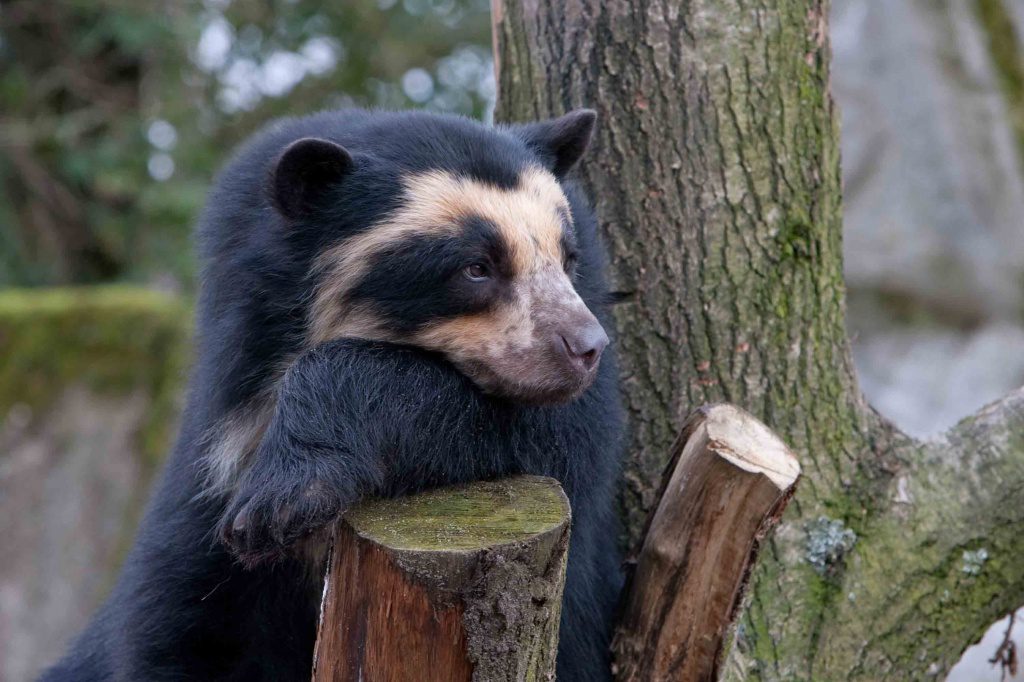
- Andean bears. They are the only bears indigenous to South America. The bears have black shaggy fur and distinctive light-colored stripes and spots on their face and upper chest. They are medium-sized animals. Males can be up to 30% larger than females, weighing as much as 340 pounds. Female bears usually weigh less than 180 pounds. In the wild, they have an average life expectancy of 21 years. These bears inhabit the mountain forests of the western slope of the Andes mountain system, where they get their name from. Their diet consists of leaves, grass, fruits and rhizomes. Sometimes, these bears scale tall palm trees, snap their tops and enjoy them down below. They are also keen on destroying anthills and eating termites.
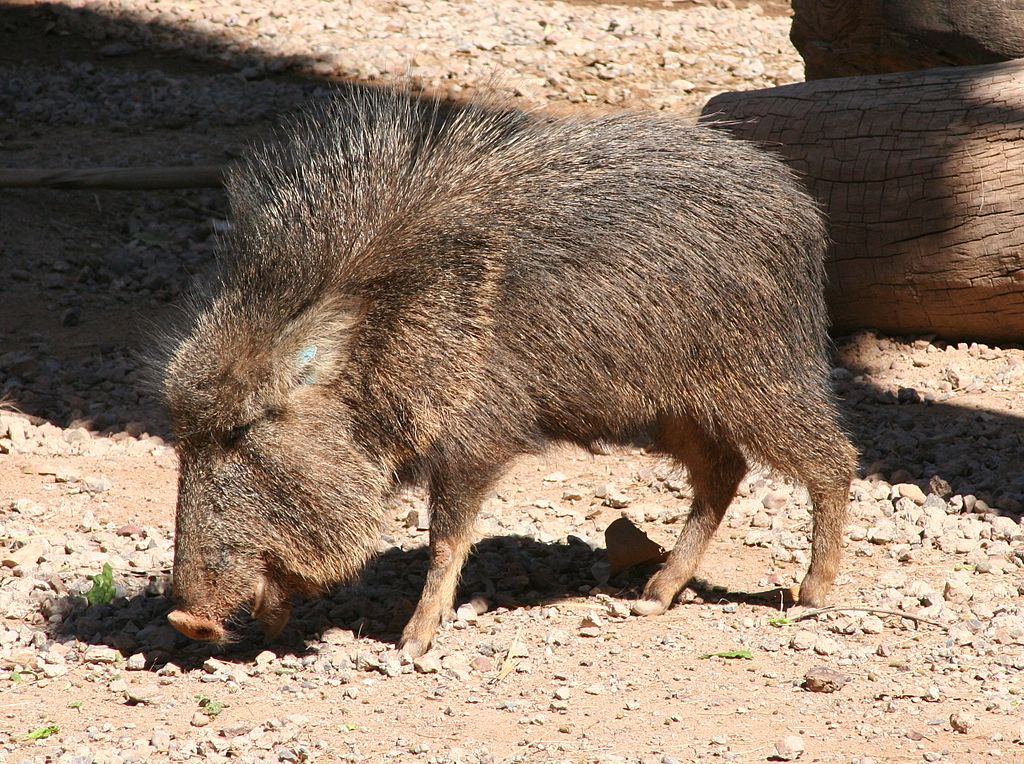
- Chacoan peccary. This animal, previously thought to be extinct, was found to still be alive in the Argentine province of Salta in 1971. Although well known to locals, it took Western scientists some time to acknowledge its existence. There are approximately 3,000 of these animals left in the world. They are primarily hunted for food and occasionally traded for their skins.
- The pudu is the smallest of all deer species and can reach a height of 13 to 17 inches, weighing up to 26 pounds. Pudus feed primarily on grass, leaves and fallen fruit. They typically live 8 to 10 years in the wild. Unlike other deer, the pudu has the unique ability to easily climb fallen trees, which it often does to escape predators or to find food. Because of its small size, the pudu frequently stands on its hind legs to reach leaves and can bark like a dog if it feels threatened. The pudu uses a sophisticated network of tracks and trails to move swiftly from one location to another.
Here are some guidelines and suggestions:
As stated on the zoo’s official website, all visitors must follow certain guidelines:
- If you are feeling unwell, please stay home to ensure the safety of the animals and other guests.
- Remember to cover your nose and mouth with a tissue or your sleeve when sneezing or coughing.
- Maintain at least 6 feet between you and other visitors. Show patience in animal areas and avoid creating crowds. Observe all zoo signs as some paths are designated as one-way.
- Wash your hands frequently. Restrooms are located throughout the park and hand sanitizers are available near exhibits and other crowded areas.
- All guests under the age of 17 must be accompanied by an adult.
- For safety reasons, kids’ scooters are not allowed.
You can buy beverages at the food and snack stands. Check the zoo’s official website to view the exhibits available on a specific day. Be aware that zoo staff reserves the right to deny admission to anyone who poses a threat to animals, staff, vendors, or guests, causes damage to property, or engages in destructive behavior, harassment, discrimination, or threats.