

Kissena Park, nestled in the Flushing neighborhood alongside the underground Kissena Creek, provides a great chance to unwind in the bosom of nature. The park’s lake, vibrant plant and animal life, various sports fields, velodrome, golf course and other amenities draw in many locals and tourists alike. It’s an excellent spot for leisure, recreation and cultural enrichment. To discover more about this cherished natural sanctuary in Queens, check out queens.name.
Former nursery
The park has a long history, going back to the 17th century when it was home to Native Americans. During the 18th and 19th centuries, Flushing was renowned as a prominent hub for horticulture in the U. S. In 1735, William Prince founded the country’s first commercial nursery at the park’s northern end. Among the notable admirers of the plants and trees of this area were the future King William IV of England and the first U.S. president, George Washington.
Samuel Bowne Parsons, a horticulturist, founded a nursery in the early 1870s, which is now the site of the iconic tree grove. The nursery housed over 100 types of exotic trees and was the pioneer in bringing Japanese maples and propagating rhododendrons (azaleas). Speaking of which, there are numerous species of the stunningly beautiful flower known as the azalea. It primarily thrives in Asia and North America.
How did this place come to be a park?
In 1904, Kissena Lake was acquired by NYC from William Jaynes, whose father-in-law had operated an ice-making company on the body of water in the late 1800s. After Parsons passed away in 1906, John W. Paris and Edward McDougal, real estate developers, acquired most of his land. In 1907, the developers faced accusations of fraudulently attempting to sell 87 acres of land to the city at inflated prices. This scheme resulted in the developers pocketing 140,000 dollars. It was later revealed that Joseph Bermel, back then the Queens borough president, was also implicated in the scandal, allegedly receiving 12,000 dollars.
One way or another, the city obtained the historic grove and another 65 acres of swampy land. The park‘s development included draining and filling in the swampy area that made up most of the park. Kissena Park was officially opened in 1910. Four years later, the city purchased a training horse farm from the NYPD. Several other private plots were acquired through 1927.
Activities to enjoy
Kissena Park offers a wonderful blend of relaxation and outdoor excitement. Explore the park to admire the beautiful plants and animals, with the historic grove being a must-see attraction. The grove is home to dozens of species of trees, many of which are exotic.
Kissena Park is a wonderful spot for bird watchers because of its excellent habitat. It’s a favorite destination for those who enjoy watching feathered creatures. Some of the rare birds that have been spotted here include the Golden-winged Warbler, Swallow-tailed Kite, Sedge Wren, Blue Grosbeak, Golden Eagle, Northern Shrike, Swallow-tailed Kite and Pink-footed Goose.
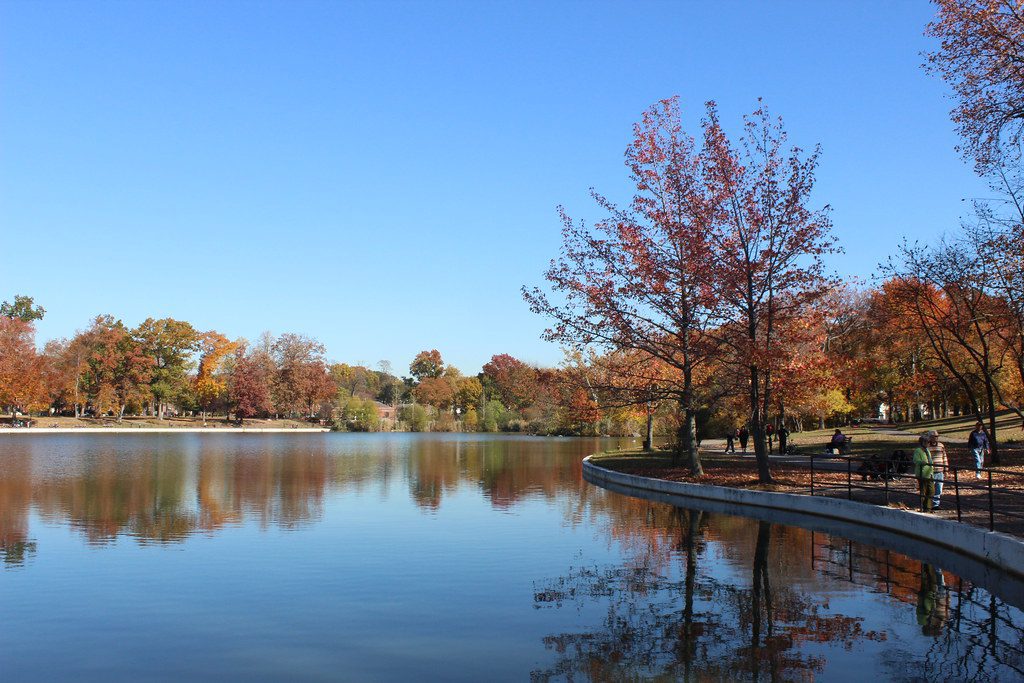
Kissena Lake, surrounded by Salix babylonica and shady trees, provides an idyllic setting for enjoying a sunny afternoon. Back in 1942, it was converted into a ‘bathtub lake’ with a concreted bottom and shoreline. The park was used as an illegal dumping ground until the 1980s. Then, in 1983, the lake had to be drained due to a large amount of algae. Fast forward to 2003, the lake was given a more natural look with a new aeration system to prevent algae growth. Oh, and just so you know, the park was named after this lake. He decided to use the Chippewa Indians’ word ‘Kissena’ (meaning ‘cold water’) after researching Native American cultures.
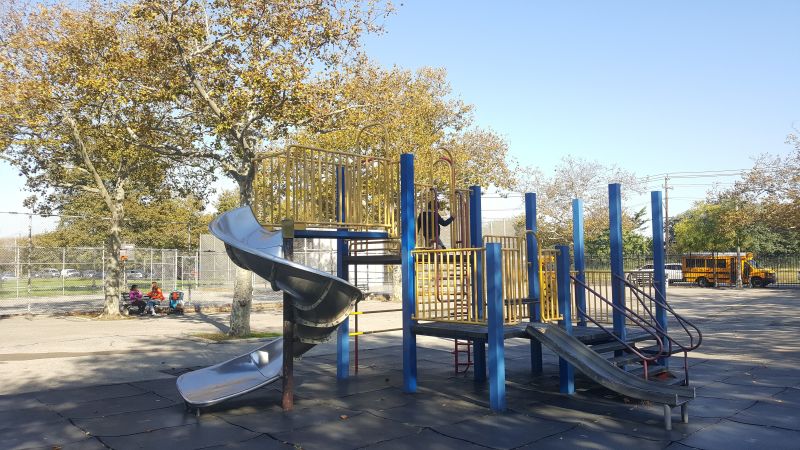
After admiring the stunning greenery, it’s time to get active! See if you can beat the record at the nearby velodrome, constructed in 1963. The following year, it was the site of the U.S. Olympic Team Trials. You can also enjoy a game of golf, challenge your friends to matches on the baseball, tennis and handball courts and let the kids have a blast at the play areas.
The Korean War Memorial at the park entrance is a must-see for history enthusiasts. It pays tribute to Queens residents who bravely fought for South Korea from 1950 to 1953. The central sculpture portrays a lone soldier, whose expression conveys the anguish of war, while five soldiers can be seen carrying stretchers in the background.
In a nutshell, Kissena Park is a big recreational area in eastern Queens. It covers over 234 acres and has lots of outdoor activities for visitors of all ages. The park features playgrounds, a velodrome, tennis courts, numerous baseball and handball fields, a golf course, a senior center and a nature center. Moreover, visitors can take advantage of biking and hiking paths and enjoy picnicking at designated spots. With its stunning lake, scenery and rich history the park has become a popular choice for athletes, families and romantic couples. It’s perfect for anyone who prefers the outdoors amid a bustling city.