

New York State’s landscape ranges from mountainous terrain in the north to lakes in the northwest and scenic coastlines in the southeast. The state has a humid climate. It usually rains and snows in the northern part, while the coastal zone is characterized by windy weather. Floods, hurricanes and winter storms are frequent phenomena here. At queens.name, you can learn more about the most common natural disasters in New York and Queens in particular, as well as how to protect yourself from them.
Heavy floods
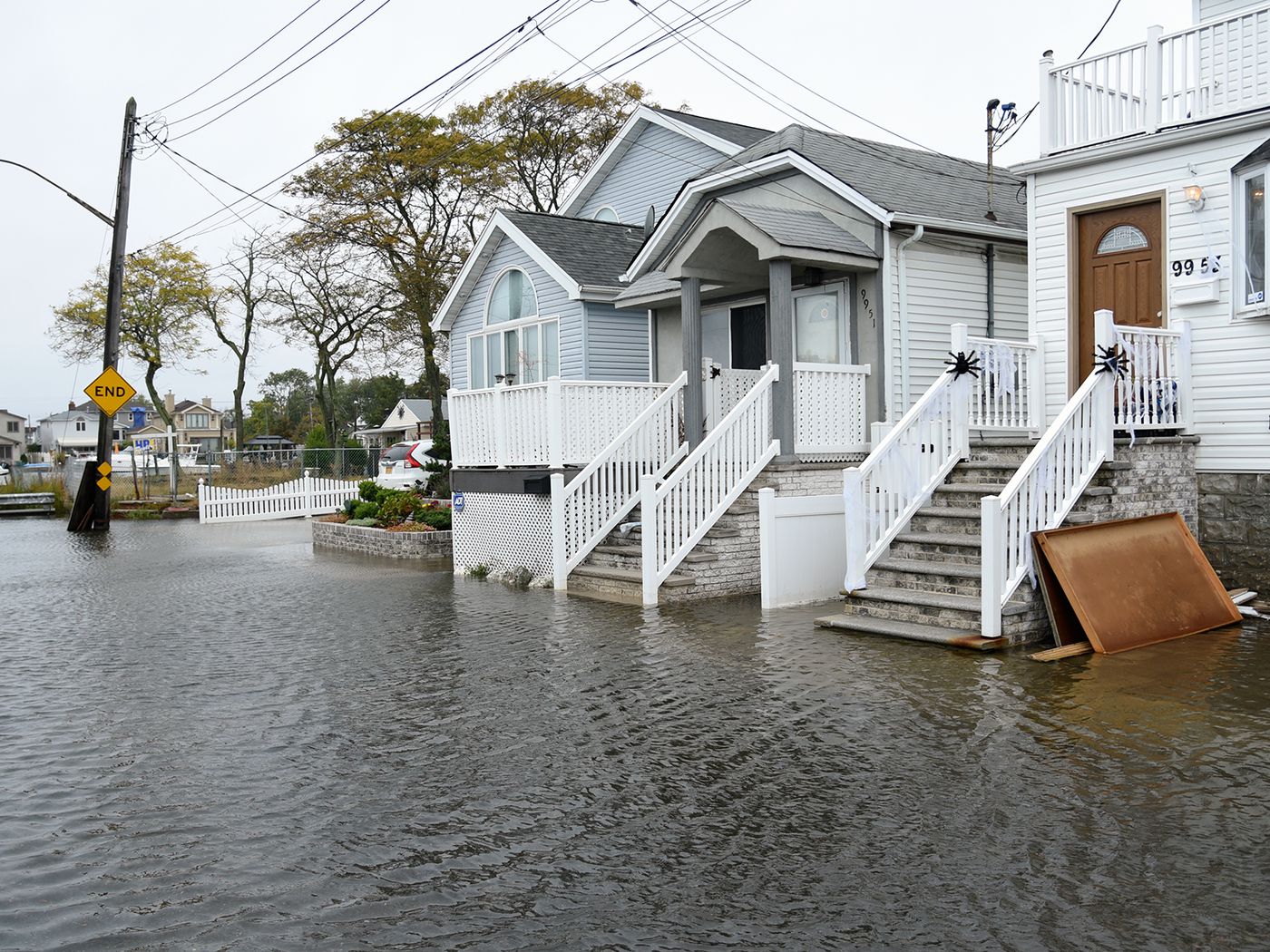
Over 100,000 people in the state live in low-lying coastal areas that are regularly affected by flooding. Queens is located close to the Atlantic Ocean, where water levels often go up. Therefore, residents of the borough often have to deal with excess water in their homes.
The city of New York allocates millions of dollars to prevent flooding. However, before heavy rain, homeowners must take care of their protection on their own. Specifically:
- Check the building’s drainage system, clean all external drains and gutters and make sure sump pumps are working
- Make sure there are no cracks in the building’s foundation and that electrical elements are not hanging
- Look over escape routes in advance in case of flooding and tsunamis
- Get flood insurance, especially if you live in a high-risk area
- Remember that floods cause dangerous landslides, as excessive rainfall makes the ground unstable.
In September 2023, heavy precipitation led to the flooding of New York. A state of emergency was declared in all boroughs. Queens residents were affected by the unexpected closure of highways and some public transport services, as well as by damage to residential areas. The flood disrupted train and subway traffic. Some flights at local airports were canceled.
Strong storms
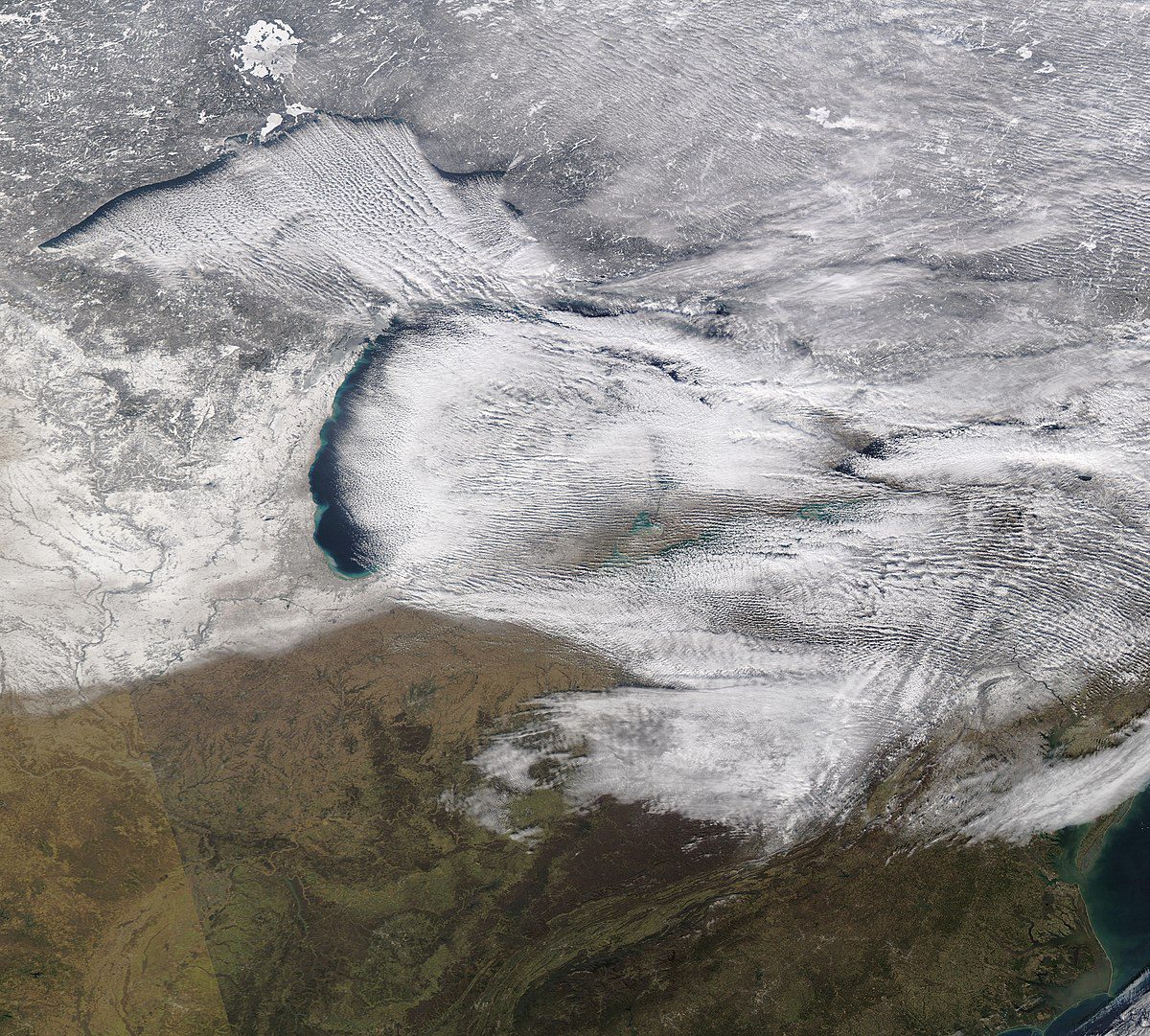
Two types of storms prevail in New York, namely Nor’easters and Lake-Effect snowstorms. A Nor’easter is a heavy extratropical cyclone in the western part of the North Atlantic. The name comes from the direction of winds blowing from the northeast. Such a cyclone typically affects the entire state of New York, while Lake-Effect storms impact regions east of Lake Erie and Lake Ontario. Nor’easters mainly hit the state in winter and spring due to strong arctic winds crossing the warmer Atlantic Ocean.
Lake-Effect storms can occur late in the fall and in winter. This effect is caused by cold Canadian air that moves over the relatively warm Great American Lakes. When the cold air passes over the unfrozen waters of the Great Lakes, warmth and moisture are transferred to the lowest atmosphere. The air rises, forming clouds and causing snowfall. The phenomenon is a real natural wonder because a certain region can experience heavy showfall, while just a mile away, the sun may be shining. Lake-Effect snow sometimes leads to thunderstorms, causing blizzards for hours on end.
Here are some tips to help residents of New York and Queens in particular prepare for storms:
- Subscribe to NY-Alert for important disaster information
- Before winter arrives, carefully inspect your roof, clear gutters and chimneys and check the heating system
- During icy conditions, use salt or granules to melt snow on pathways and driveways. Also, clean water gutters
- Always keep a stock of wood or alternative heating sources in case of power outages
- Equip your vehicle with extra blankets, a shovel and ropes in case of emergencies
- Plan alternative evacuation routes because roads are usually blocked during storms
- Cut tall trees and dry branches to prevent your house from being damaged by wind.
In February 2024, a storm resulted in massive power failure and scattered trash throughout Queens. The wind damaged power lines and toppled trees onto cars parked on the streets.
By the way, derecho, a devastating windstorm, is a rare occurrence in the central and eastern parts of the United States. These windstorms are associated with powerful thunderstorms that can quickly cover large distances. Derechos bring powerful hurricane winds, tornadoes, heavy rains and sudden flooding. They usually occur from May to August. For example, a derecho was recorded in New York (including Queens) in September 1998. it caused significant physical damage and several fatalities.
Cataclysmic hurricanes
When a storm reaches speeds of over 30 m/s, it is called a hurricane. New York State’s cities are particularly vulnerable to hazardous hurricanes compared to other settlements in the United States. Although here hurricanes do not happen as often as they do in southern states like Florida or Texas, they have more severe consequences. In New York, hurricanes are often caused by heavy flooding and storm surges, which is particularly dangerous in areas situated near the sea level.
To prepare for hurricanes and severe thunderstorms, you should take the following steps:
- Familiarize yourself with the evacuation zone map of New York in advance
- Make a waterproof emergency kit containing water, canned food, a knife, medications, first aid facilities, important documents, etc.
- Clear drains and gutters and cut trees to enhance the resilience of your house against wind
- Get flood insurance and regularly update your policy.
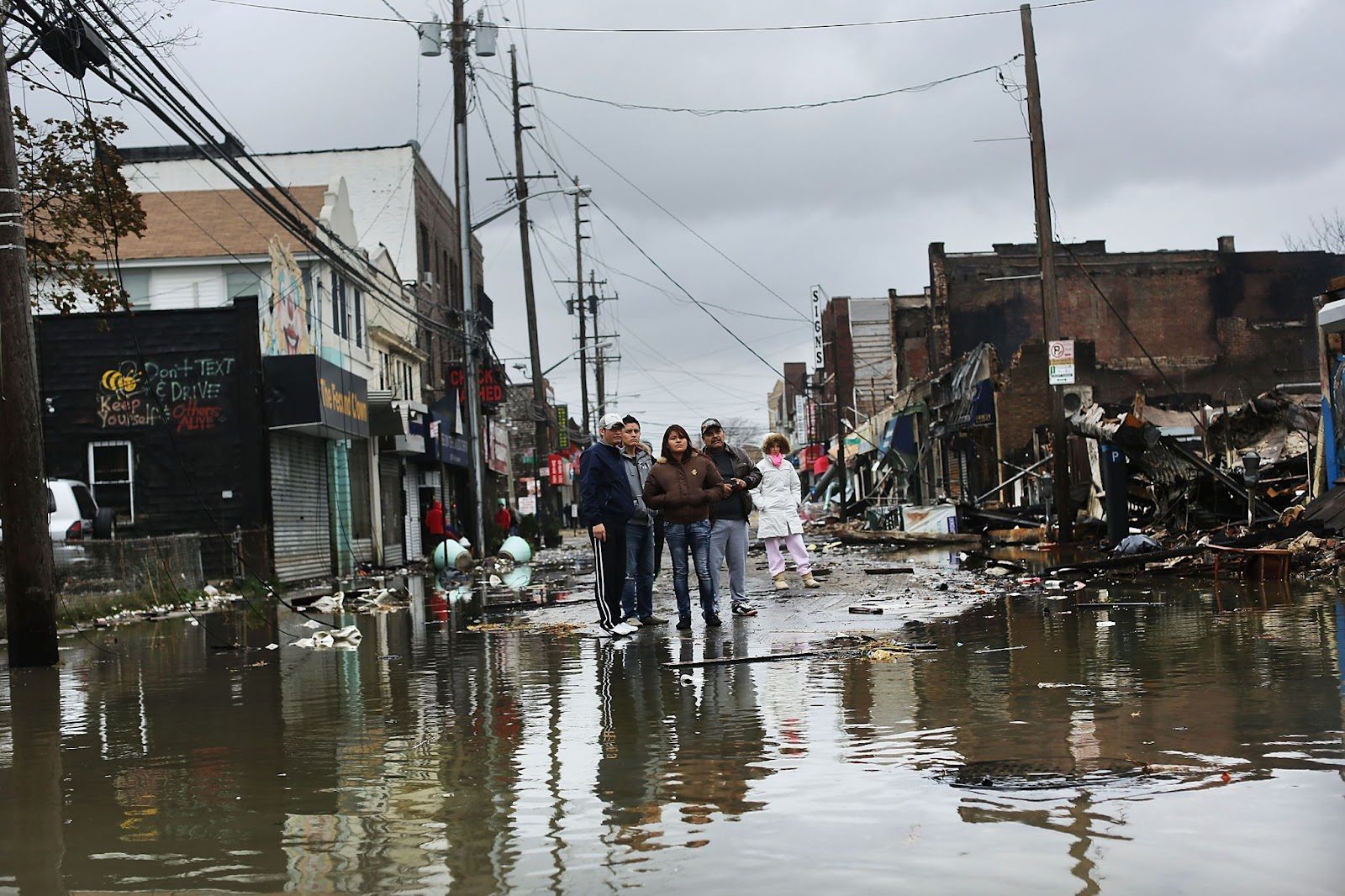
On the night of October 29-30, 2012, the eastern coast of the USA was hit by Hurricane Sandy. This powerful tropical cyclone provoked massive floods and disruptions in public services and the transportation system. The hurricane even destroyed some low-lying regions. Sandy resulted in the death of 43 (according to other data – 44) residents of New York and caused $19 billion in damages to the city. Thousands of residents were evacuated because more than 69,000 residential buildings were damaged. Since then, the city authorities have restored wetlands and affected buildings, but storm protection is far from reliable.
Intense heat
Extreme heat is not what we typically associate with New York, but high humidity and climate change are constantly increasing the heat index. The rise of heat-related deaths in the state has been caused by the lack of mandatory air conditioning in homes and the poor preparation for this calamity. In July 2023, temperatures above 100 degrees Fahrenheit (more than 37°C) were recorded here over the course of three days.
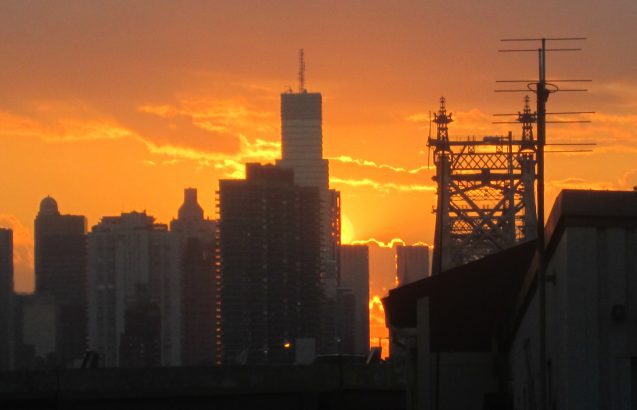
The risk of a sudden temperature rise in New York is evidently highest in summer and early fall. Here are a few tips to keep coolness and protect yourself from the heat, which is rightfully called the “silent killer”
- Pull blinds and curtains down on hot days
- Purchase an air conditioner
- Prepare a meal plan that does not involve cooking indoors
- Install a generator in case of blackout due to voltage issues in municipal services
- Limit outdoor walks during the middle of the day. Walk early in the morning and late in the evening.
Overall, many natural disasters are caused by climate change. Therefore, every inhabitant of Earth should work towards reducing carbon emissions, which alter atmospheric composition. Combating climate change is the responsibility of every person.