

Queens Botanical Garden is located in the neighborhood of Flushing. This is an urban oasis that celebrates the world of flora. Throughout the year, this location hosts numerous family events and programs. The garden even has a Forest Nursery and an outdoor preschool. Learn more at queens.name.
It all started with an exhibition
The garden developed from the “Gardens on Parade” exhibit during the 1939 World’s Fair. This is an international fair that serves as a symbol of industrialization and an open platform for demonstrating technical and technological advances. The fair took place in Flushing Meadows-Corona Park. The exhibition entitled “Gardens on Parade” was presented as a garden exhibit.
Local residents decided to preserve and expand the original exhibition, forming the Queens Botanical Garden Society in 1946 to look after the site. The garden remained at the original site of the World’s Fair until 1961 when it was relocated to Main Street in Flushing. Among the original 1939 plantings, there are two Blue Atlas cedars that have been preserved. They frame the iconic wooden sculpture of the gate.
By 1972, the place was visited by approximately 300,000 people each year. Among them, there were around 50,000 students who visited the garden as part of educational programs. Over time, various events intended for members of the surrounding communities began to take place here.
In 1977, several dozen teenagers from Queens schools planted trees in the garden, built a path and repaired a section of the nearby city park that had been vandalized. During the 1980s, volunteers worked here with disabled teenagers. Until 1982, the garden included separate spaces for the elderly and children, public corn patches, as well as herb, bee and bird gardens.
In 2001, the Queens Botanical Garden Society began working on a master plan to transform most of the garden into a landscaped green space. Renovations included a rainwater collection system, a green roof over one building, solar panels, geothermal power generation systems, new wetlands and water facilities. In January 2023, Queens Botanical Garden received a record $8 million donation from the Bluestone Foundation. The funds were used for educational purposes.
Extensive space
The Botanical Garden’s northern section includes a visitor building, a gift shop and a gallery. The two-story building was opened to visitors in 2007 and contains administrative offices and a spacious hall. It is the first public building in New York to obtain the Platinum LEED rating, which is the highest possible grade for energy efficiency. The building features geothermal heating, urinals that do not use water and compost toilets. The roof of the building is equipped with solar panels, a rainwater collection system and plants for insulation. All of this contributes to much lower energy consumption when compared with other buildings.
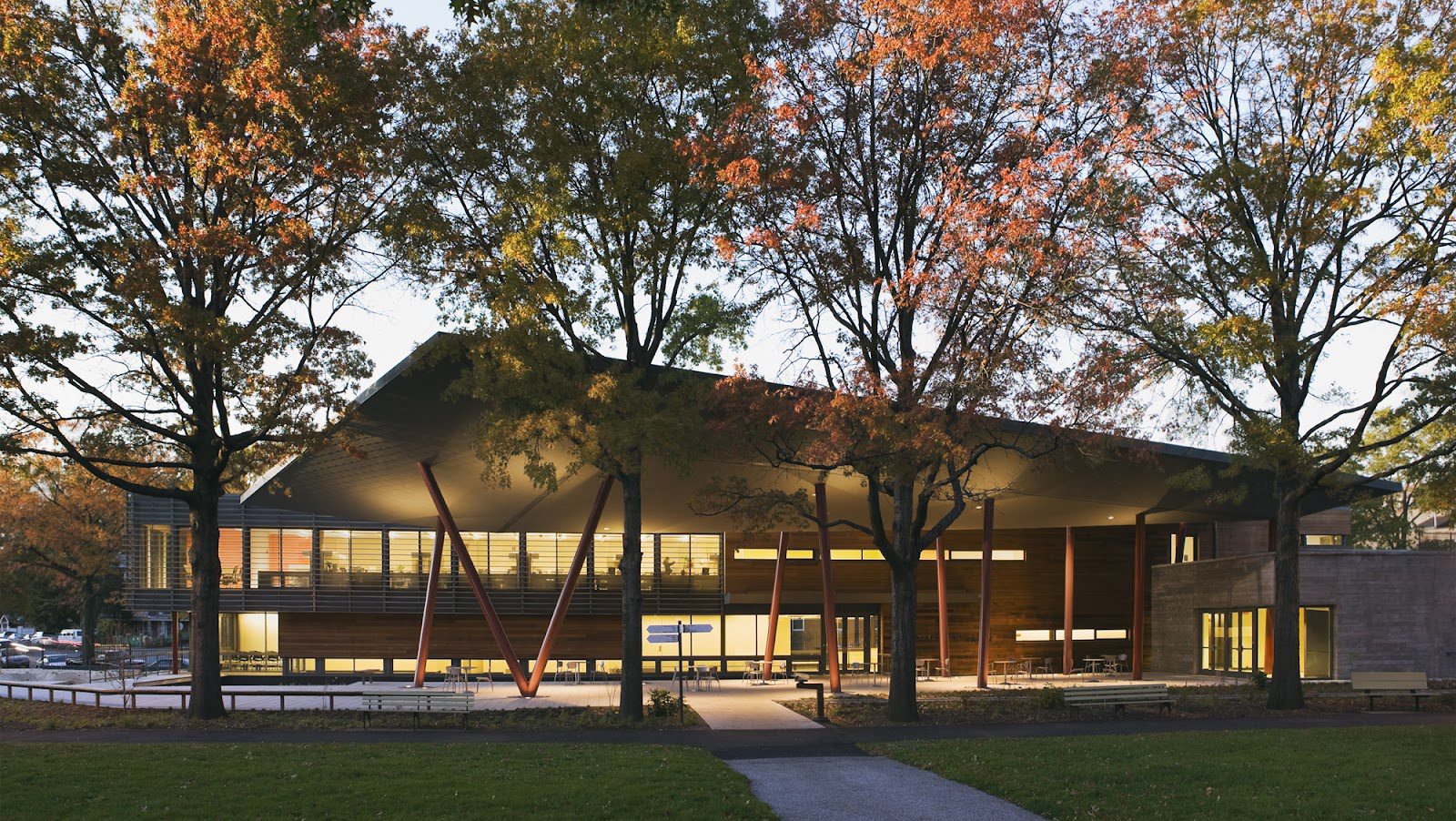
The majority of the public exhibits are located in the eastern section, where trails split the area into flower beds. The garden’s north side is home to a variety of educational and non-public facilities, as well as the Compost Project Demonstration Site. The latter demonstrates how to make and utilize compost to create healthy soil, as well as how to recycle organic waste. The local farm grows vegetables such as tomatoes, beans, turnips, cabbage, lettuce, peppers and radishes.
There is an arboretum in the southwest. It houses collections of woody plants and is partially used for scientific research. A stream known as Kissena Creek flows beneath the garden, ultimately merging with a sewer pipe.
Programs and events
The garden’s purpose is to celebrate nature and spread important botanical knowledge through educational programs, presentations and charities. It is home to plants that are particularly important to global culture. This is an excellent place to unwind, learn new things and replenish your energy in the midst of nature.
Queens Botanical Garden offers educational seminars for children, adults and educators. There is even a program similar to Forest Nursery for children aged 2 to 6, which was introduced in 2017. It offers outdoor training in spring, summer and fall.
Garden Buds (for toddlers aged 2-3 years) is a practical lesson in which children may taste natural produce while also learning to make something. Children’s Garden (ages 4 to 10) is a summer day camp with daily outdoor activities such as research and gardening. High school students (aged 11 to 14) search for edibles, study birds and hunt beetles. Students can perform field research in an apple orchard, open meadow, deciduous coniferous forest and other accessible sites.
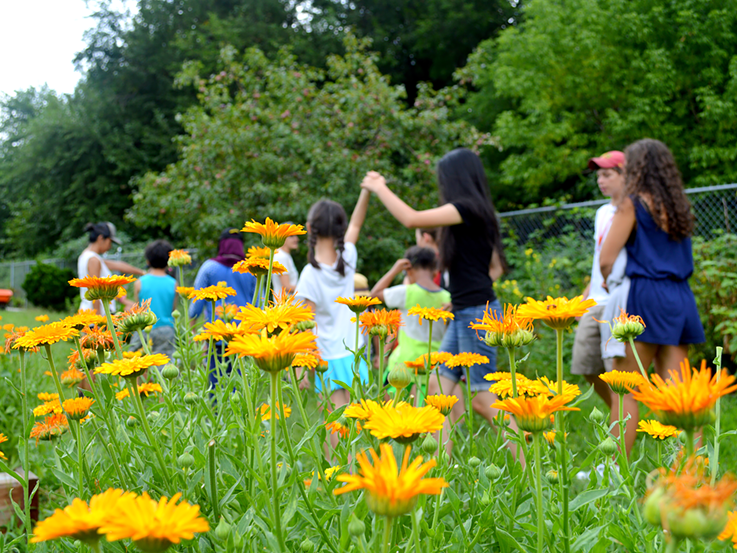
During the spring season, Queens Botanical Garden offers something new every week, from blooming tulips to rose exhibits. This is by far the brightest season in the garden, with new blossoms appearing practically every day.
During the summer holidays, children are especially interested in camps and excursions. Even though the bright blossoms are replaced by lush greenery in the summer, there is still lots to see and do. This is the greatest time to sign up your children for gardening clubs and camps. Interesting stories, master classes and live music begin in May, while the farmers’ market opens on Fridays in June and runs until the fall. Please be aware that picnics are not permitted unless they are planned for special events.
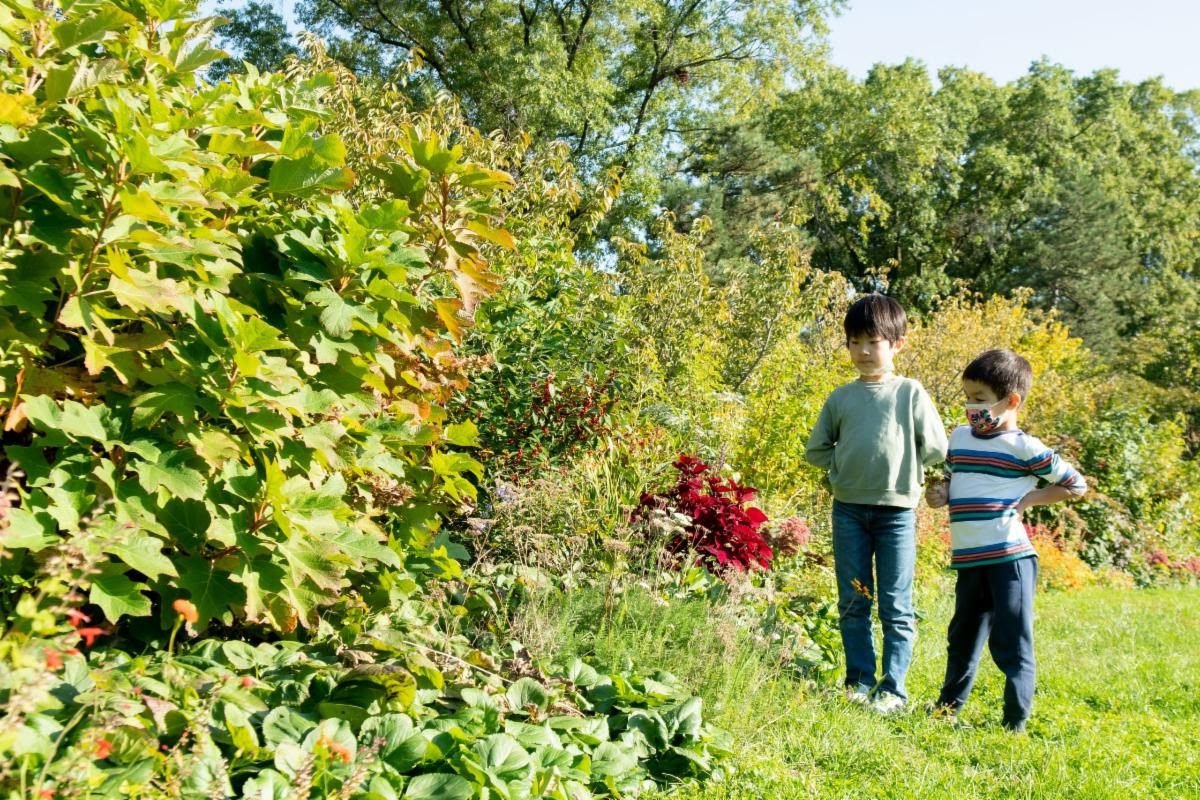
In the autumn, the garden celebrates Halloween. At this time of year, its management organizes games, needlework workshops, magic shows and other enjoyable holidays. Additionally, the site hosts the Harvest Fest & Pumpkin Patch Festival. In winter, you may enjoy the twinkling Christmas trees in the gardens. Winter programs include indoor herb cultivation and table gardening, outdoor walks and winter tree excursions.
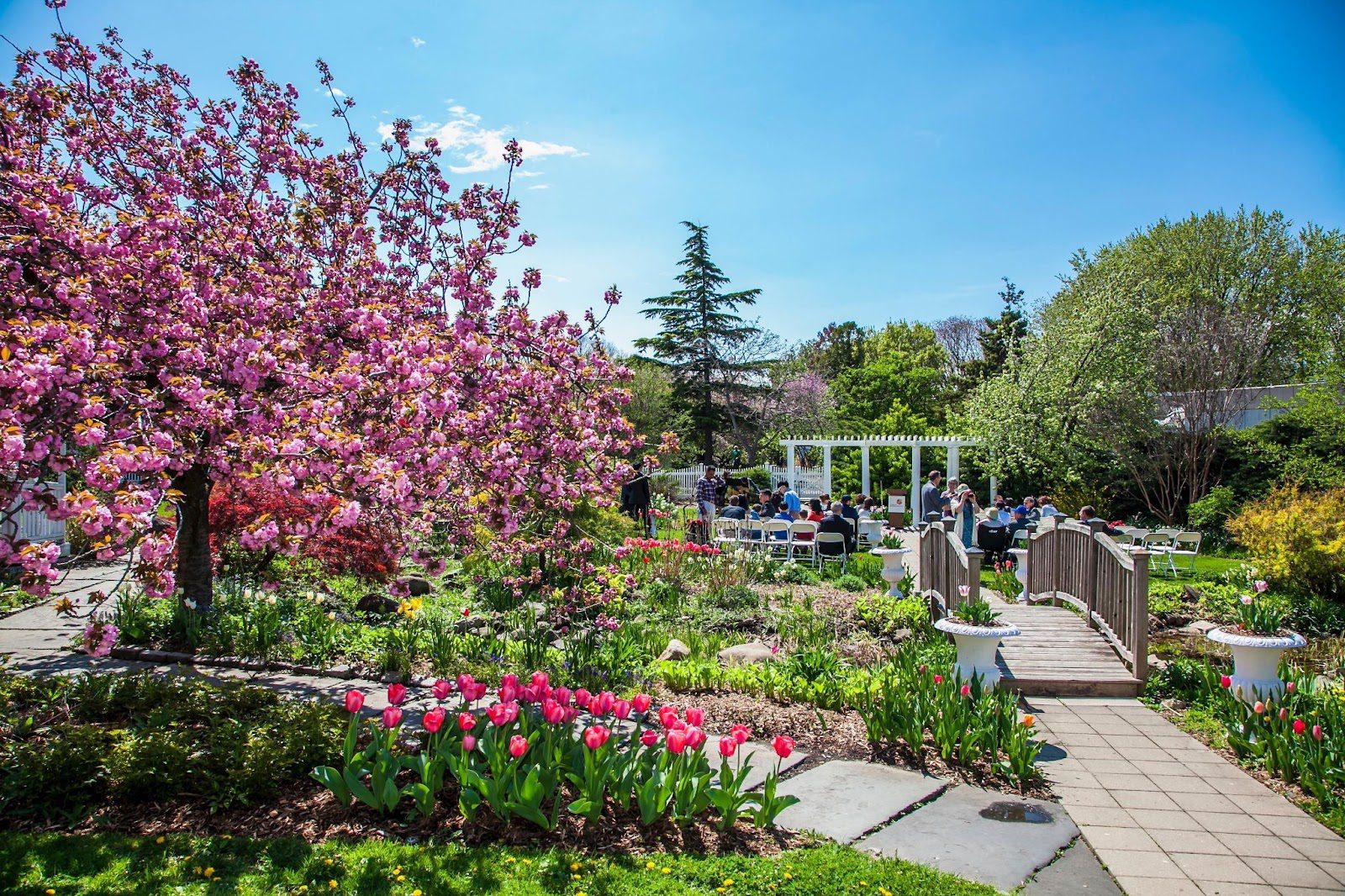
In addition, weddings, receptions and private and corporate events are held here. A special Victorian-style wedding garden is available for newlyweds, but registration is required.
Tips and regulations
- Since the garden is not a public park, it is not permitted to ride bicycles, play ball, collect flowers or walk dogs. In short, any actions that may harm the environment or other visitors are prohibited.
- Strollers are welcome, and the majority of the park is wheelchair accessible.
- There is an indoor public toilet near the visitor center and gift shop.
- On non-festival days, there aren’t many gastronomic options, but there is a broad selection of food establishments near the garden, so you won’t be hungry.
- The best way to get to the gardens is by automobile, and there is paid parking during high season. However, you can get here by the 7th subway line or the Q44/Q20 busses.
- Reception hours vary depending on the season (winter has a shortened schedule), but the garden is normally open Tuesday through Sunday. On Mondays, it works during major school holidays and certain holidays, such as Memorial Day or Labor Day.