Ridgewood Reservoir is located in Highland Park. It provided fresh water to the residents of Brooklyn when it was an independent city. Now, wetlands are an open space, a green oasis and a place to rest in nature. Read more about it on queens.name.
A brief history
The reservoir was built in 1858. It occupies more than 20 hectares and is located on top of a moraine, an accumulation of unsorted clastic material transported and deposited by glaciers. By 1959, the reservoir was extremely important to Brooklyn’s ever-growing population.
The location on the hill contributed to a better delivery of water to the lower towns. The force of gravity was used for the benefit of the water supply system. In addition, the natural cavity at the top of the ridge minimized the amount of earthwork required to dig the reservoir.
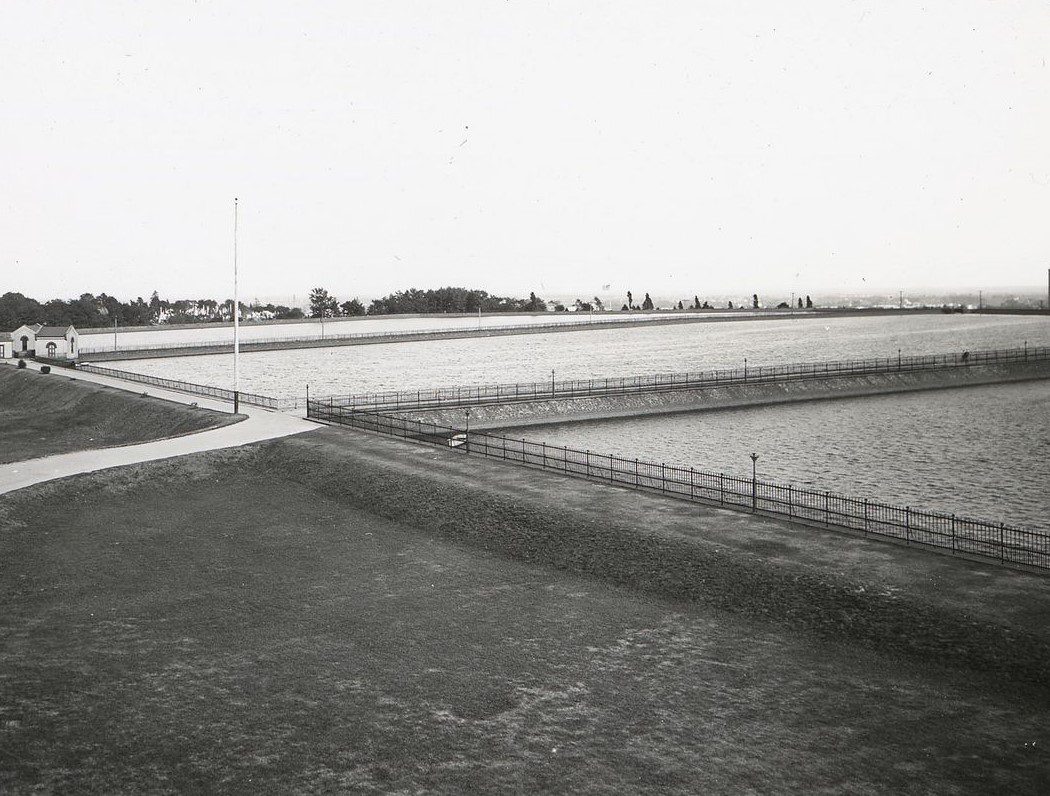
In 1891, the land around the reservoir was purchased by Brooklyn City Hall. This area helped protect it from debris and human remains from nearby cemeteries. Over the next four years, a main road, a hall, a cast-iron fence and electric lamps appeared in the southern part of the reservoir.
Water was collected from various springs on Long Island and sent through a brick conduit to the pumping station. From there, water was pumped through cast iron pipes to the reservoir. At first, it was supplied only to commercial enterprises that used steam energy. Local residents used well water. Later, the reservoir and pumping system were expanded to serve all citizens. In 1917, the construction of New York’s first tunnel was completed, through which water entered the city. Another tunnel appeared in 1936.
After the construction of an aqueduct that supplied New York with water from the Catskill Mountain region, Ridgewood Reservoir was not used as actively as before. It is divided into three basins by stone fences. From 1960 to 1989, the second pool served as a backup water supply for Brooklyn and Queens fire hydrants. In 1990, Ridgewood Reservoir was decommissioned.
It is often mistakenly assumed that the reservoir was named after the city of Ridgewood. In fact, it owes its name to the most remote source of water supply on Long Island. The town of Ridgewood, which later appeared near the reservoir, was named after it.
It is interesting that during the active use of the reservoir, it was popular to hide from the summer heat near it. Locals not only rested there during the hot days but also slept the whole night. An article in the New York Times on July 10, 1936, reported that thousands of people spent the night around the cool reservoir.
Flora and fauna
In 2004, then-Mayor of New York City, Michael Bloomberg, announced plans to turn the reservoir into a public park. The space became not only a resting place for residents but also a home for more than 150 species of birds and 170 species of plants.
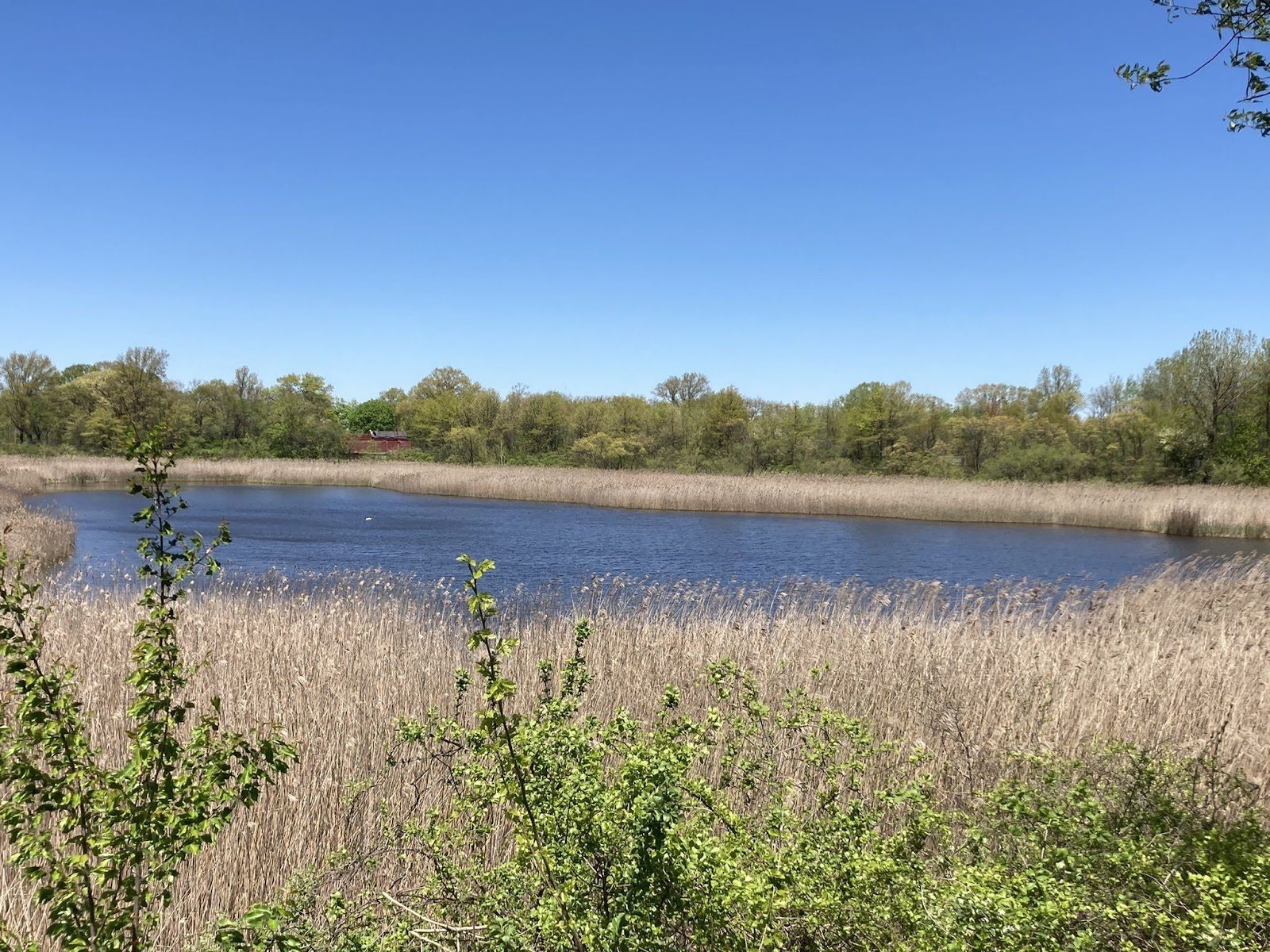
As the pools drained, silt from the water settled to the bottom, forming soil that allowed plants to grow. Such trees as gray birch, red maple, liquidambar and others grow here. Near the trees, you will find sedge. The northern part of the territory is covered with moss. The largest pool is located in the west of the reservoir and contains a huge number of plants. Black locust prevails in the savanna-like territory. To the south, you can come across gray birch, moss, sedge, poplar and willow.
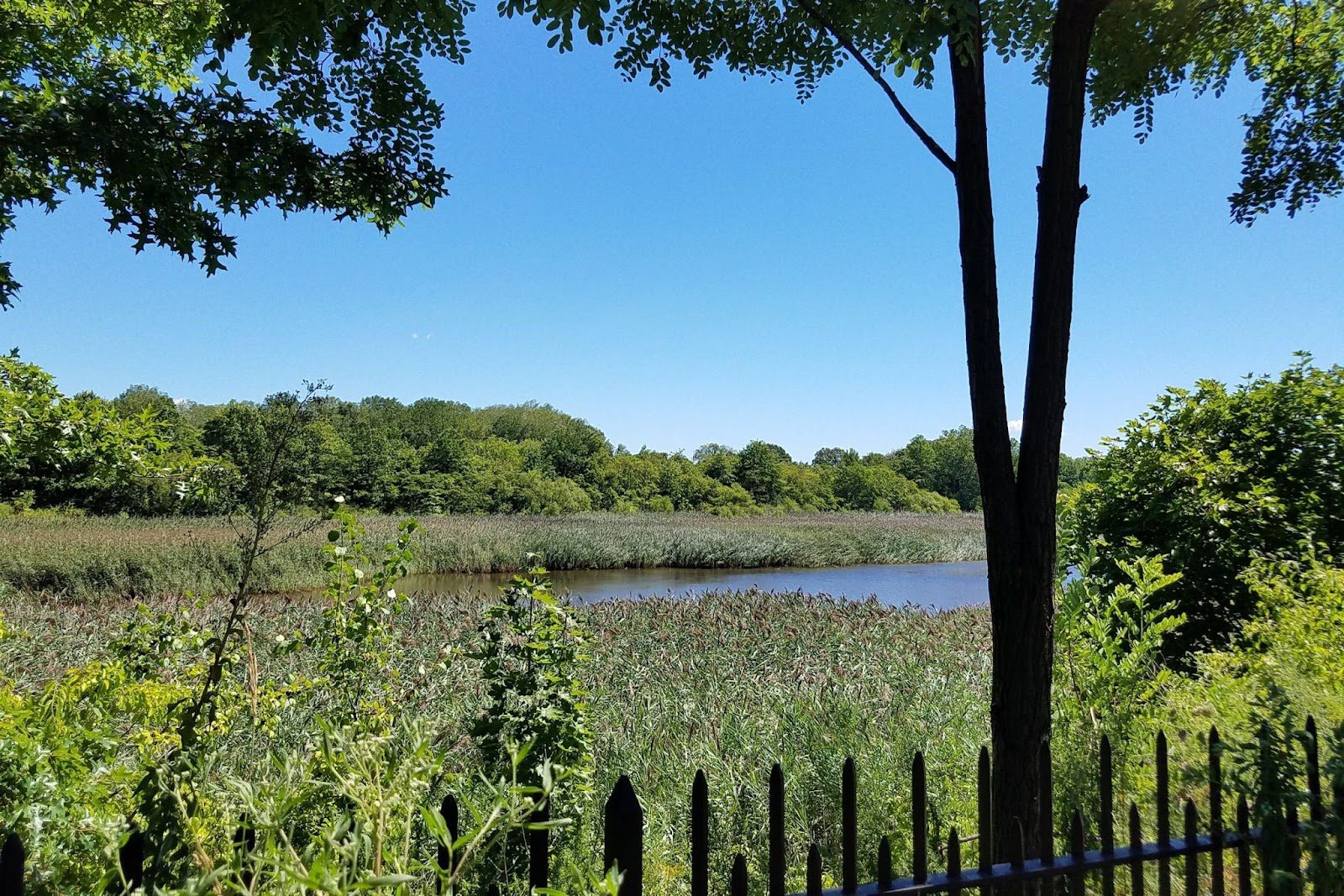
The second pool is located in the middle. It was never drained and remained a freshwater pond. Here, you can see a non-native plant Phragmites. All three basins are home to endangered wetland plants.
The reservoir is a superb place for wildlife due to the combination of different types of habitats, such as forests, fields and marshlands. It is located on the migratory path of birds. This makes the reservoir a great location for birdwatching. Such recreational activity is sometimes called sport ornithology.
In 2007, 127 bird species were recorded in Ridgewood Reservoir, and 7 of them were endangered. Birds of prey that live here include the red-shouldered hawk and the short-eared owl. In May, you can find spring migrants stopping before the long journey north. Other inhabitants of the reservoir include members of the opossum and vole family, raccoons, squirrels, turtles, garter snakes and frogs.
Main buildings
Ridgewood Reservoir is a great example of civil engineering and building infrastructure for the benefit of society. New Yorkers received not only fresh water but also beautiful designs. When the water supply system (aqueducts and reservoirs) was built, the architects worked hard to make all the structures attractive. Landscape designers decorated the areas around the pools.
Brooklyn needed so much fresh drinking water that it was often collected using massive pumps to move it from one place to another. Several large buildings were built around the reservoir to house the coal-fired engines that powered the pumps.
One of them is the Milburn Pumping Station, built in 1891. The building has not survived to this day. Another pumping station was located at the foot of the hill. Many tons of coal were burned to power the pumps needed to push the water up the hill. The architects designed a very high chimney so that the smoke would not reach the nearby farms and villages.
The pools were surrounded by elegant iron fences. In addition to the aesthetic, they had another function. Since Highland Park and Ridgewood Reservoir attracted many visitors due to their natural beauty, these fences helped keep visitors from falling off the steep walls into the city’s water supply. Accidental drownings at Ridgewood Reservoir were frequent in the past.
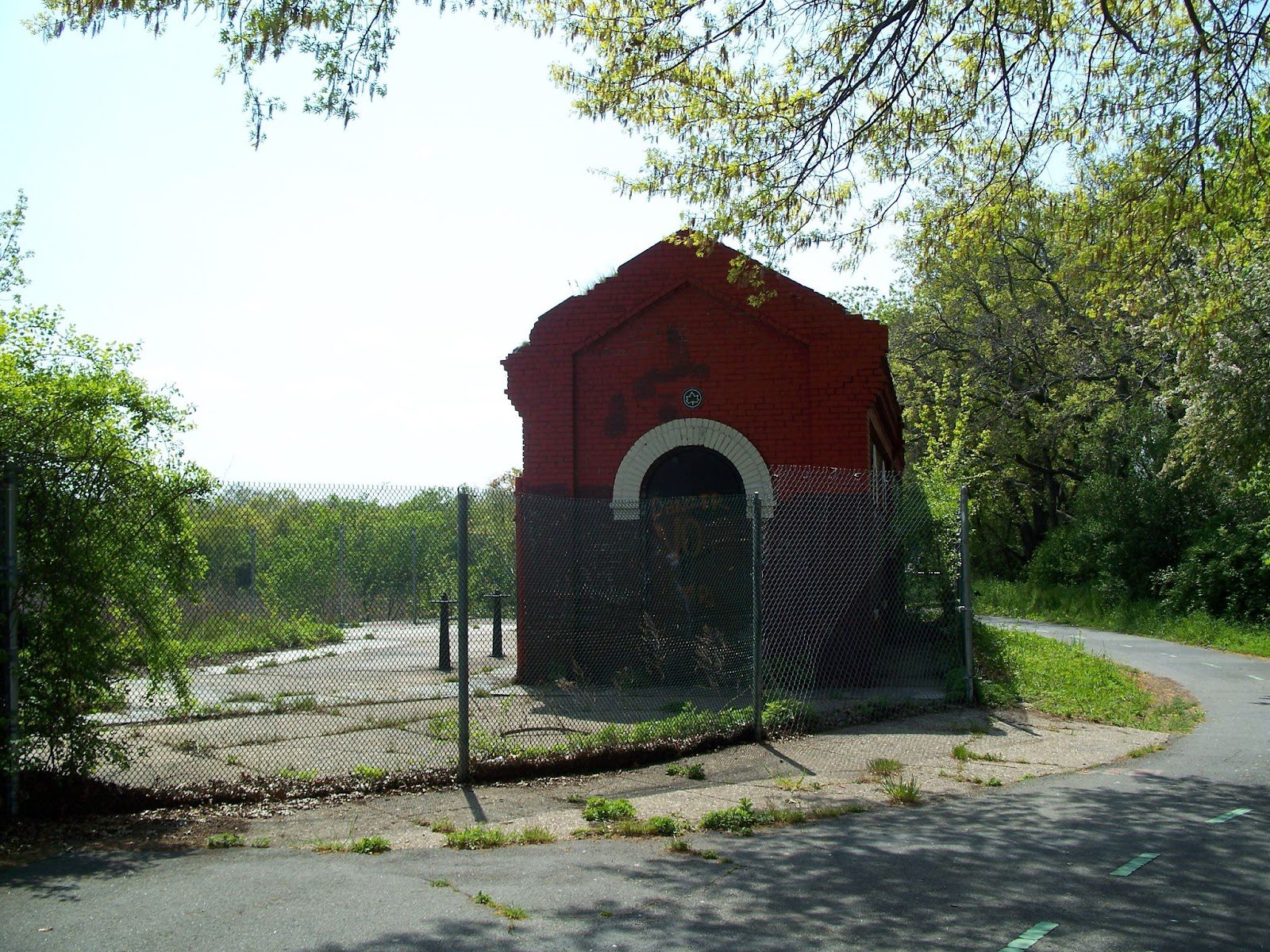
The keeper of the reservoir had a red brick residence. However, it was not kept. Other guard buildings made of bright red bricks were preserved. The flow of water when it left the reservoir was controlled by them.
A few tips before visiting Highland Park
After the reservoir was decommissioned, it turned into a thriving ecosystem. There are many marshes, wetlands, coastal swamp forests and open grassy areas. That is why all visitors should contribute to the preservation of green space. The management of Highland Park has developed rules that every visitor should follow:
- no unauthorized vehicles. Bicycles, all-terrain vehicles and snowmobiles are strictly prohibited here, regardless of the season
- it is forbidden to drink alcoholic beverages
- it is not allowed to play paintball, a team game with the use of pneumatic or mechanical weapons that shoot balls with paint
- walking and staying in limited, fenced and closed areas of the reservoir are not allowed
- it is prohibited to damage the property of the park
- all visitors are required to follow the instructions, directions and warnings of the New York City Department of Parks & Recreation
- all pets must be on a leash. The exception is from 9 PM to 9 AM.