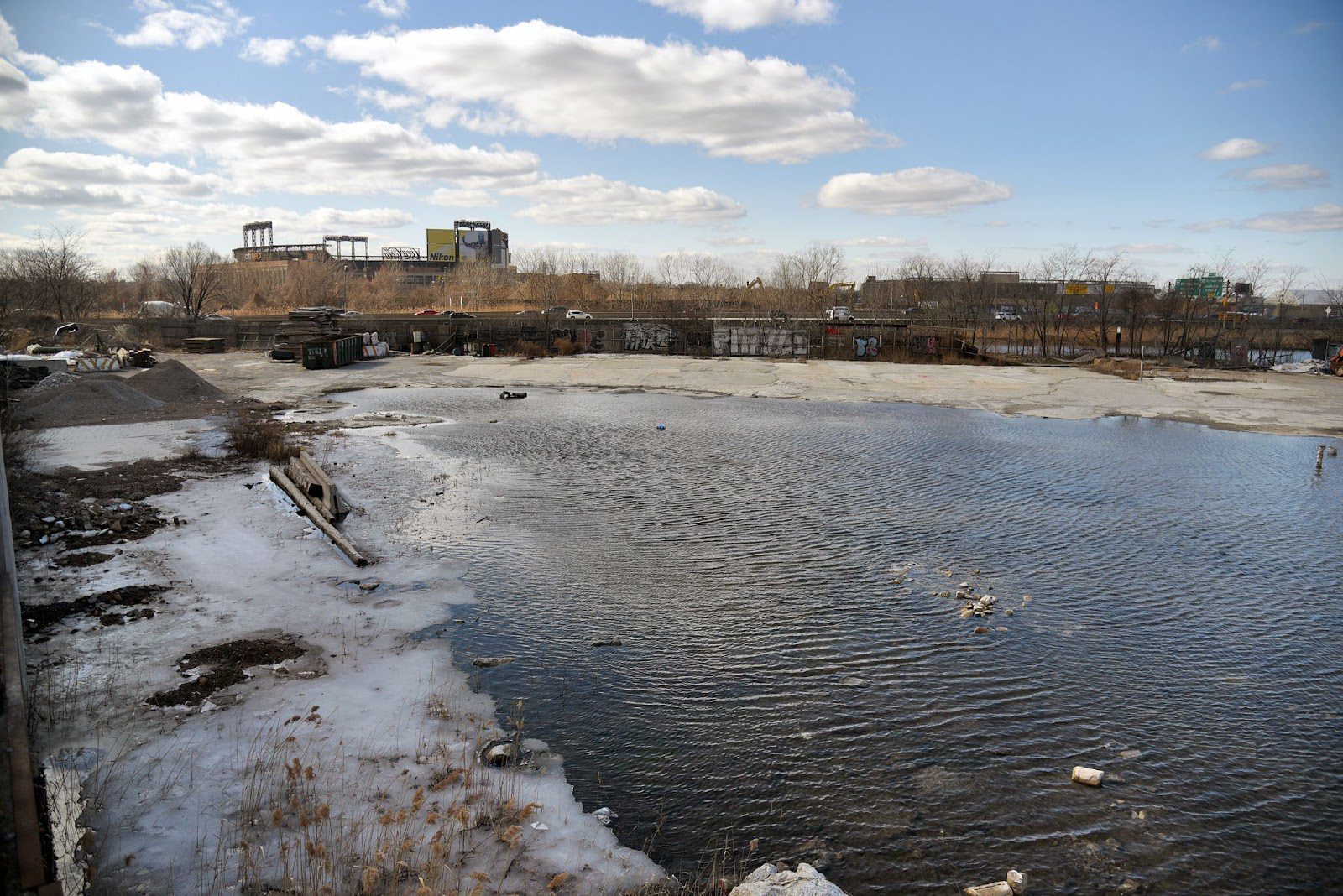
The combination of aqueducts, reservoirs, and tunnels supplies fresh water to New York City, including Queens. The borough is surrounded by rivers, lakes, and groundwater systems. However, in some areas, water pollution poses a threat to public health. Providing clean and safe water is an ongoing challenge that requires significant effort, investment, and diligence from both authorities and the community. Learn more about how water quality in Queens affects public well-being at queens.name.
A Brief History
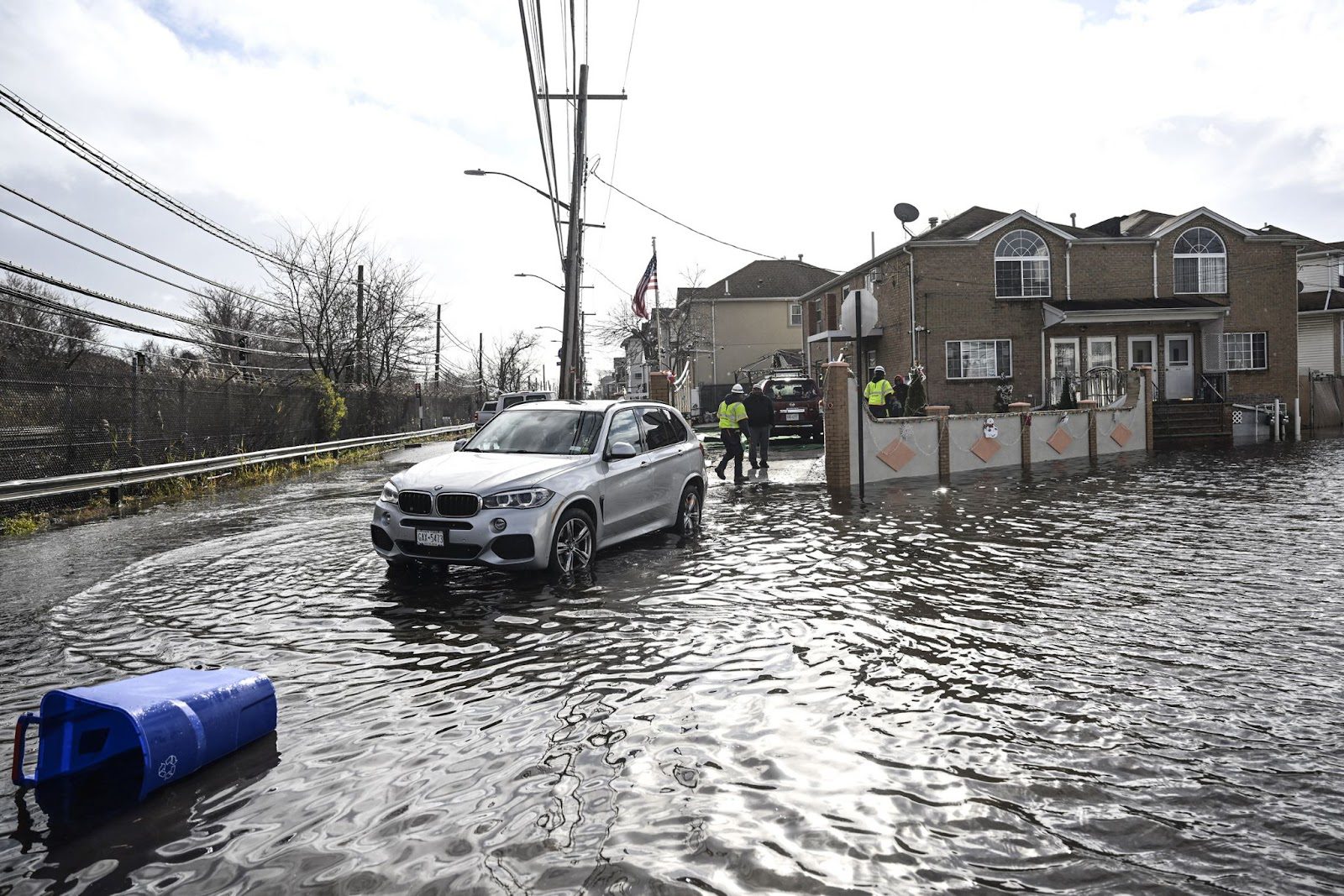
The first settlers in Queens lacked access to wells or natural springs. With urbanization and population growth, the need for a safe water supply system emerged. By the late 19th century, the New York Department of Water Supply, Gas, and Electricity was established, along with reservoirs in upstate New York to deliver water through tunnels and aqueducts.
Despite the well-established water supply system, Queens has faced issues related to water quality. Aging infrastructure often resulted in lead contamination, a significant health risk, due to old pipes lined with lead or connected by lead solder. Industrialization further contributed to water pollution as factories and waste disposal practices grew in the borough.
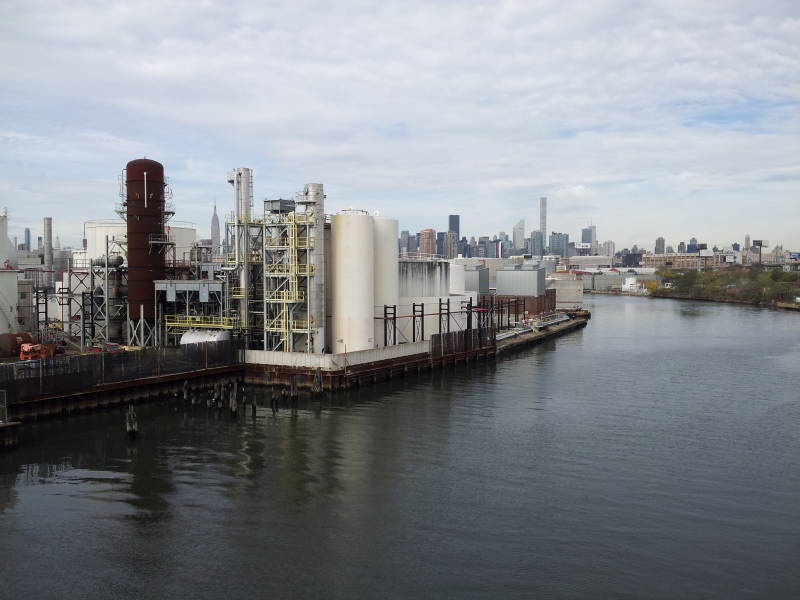
Examples include mid-20th century industrial spills that contaminated Newtown Creek, a tributary of the East River. Chemicals leached into the groundwater, creating an ecological disaster. Queens currently receives drinking water from 19 reservoirs and three controlled lakes, spread over a 2,000-square-mile watershed in the Hudson Valley and Catskill Mountains. The Safe Drinking Water Act (SDWA) of 1974 was enacted to prevent contamination of groundwater.
Sources of Pollution
Pollution in Queens’ water comes primarily from transportation, industrial waste, litter, and untreated sewage. Millions of residents and visitors use cars, subways, buses, trains, ferries, and planes daily, generating pollutants that enter water systems during heavy rainfalls. These pollutants clog storm drains and contaminate nearby rivers and other water bodies. Fossil fuels, such as oil, natural gas, and coal, remain primary energy sources for transportation, releasing harmful substances that degrade water quality.
Industrial activity, including chemical emissions, heavy metals, and dust, is another significant source of pollution. For example, tetrachloroethylene, used in dry cleaning and auto shops, has been found in some Queens water sources. Long-term consumption of water containing this chemical may lead to liver problems and increased cancer risk. The presence of dry cleaners in residential buildings further exacerbates the issue, as fumes can penetrate walls and ceilings.
Combined sewer overflows (CSOs) also impact water quality. During heavy rainfall, sewage systems can become overwhelmed, causing untreated wastewater to spill into nearby waterways.
Impact on the Community
Poor water quality in parts of Queens directly affects residents’ health, leading to:
- Gastrointestinal diseases caused by pathogens in polluted water, leading to symptoms such as vomiting, diarrhea, and abdominal pain.
- Neurological disorders from prolonged exposure to heavy metals like lead in outdated water infrastructure.
Depending on pollutants, additional health issues may include skin irritations, reproductive problems, and even certain cancers.
Ways to Address the Problem
- Green Infrastructure
Permeable pavements, green roofs, and other green infrastructure help filter rainwater, reducing pollutants entering waterways. - Eco-Friendly Transportation
Electric vehicles, bicycles, and public transportation reduce harmful emissions. Initiatives like the Green Rides Initiative encourage the transition of Uber and Lyft fleets to zero-emission vehicles. Regular vehicle maintenance and improved waste management at transit centers can also prevent oil and gas leaks. - Upgrading Water Supply Infrastructure
Replacing old lead-lined pipes and modernizing water systems can reduce contamination risks. New York City’s government and the Department of Environmental Protection have launched initiatives to upgrade treatment facilities and replace outdated infrastructure. - Forward-Thinking Policies
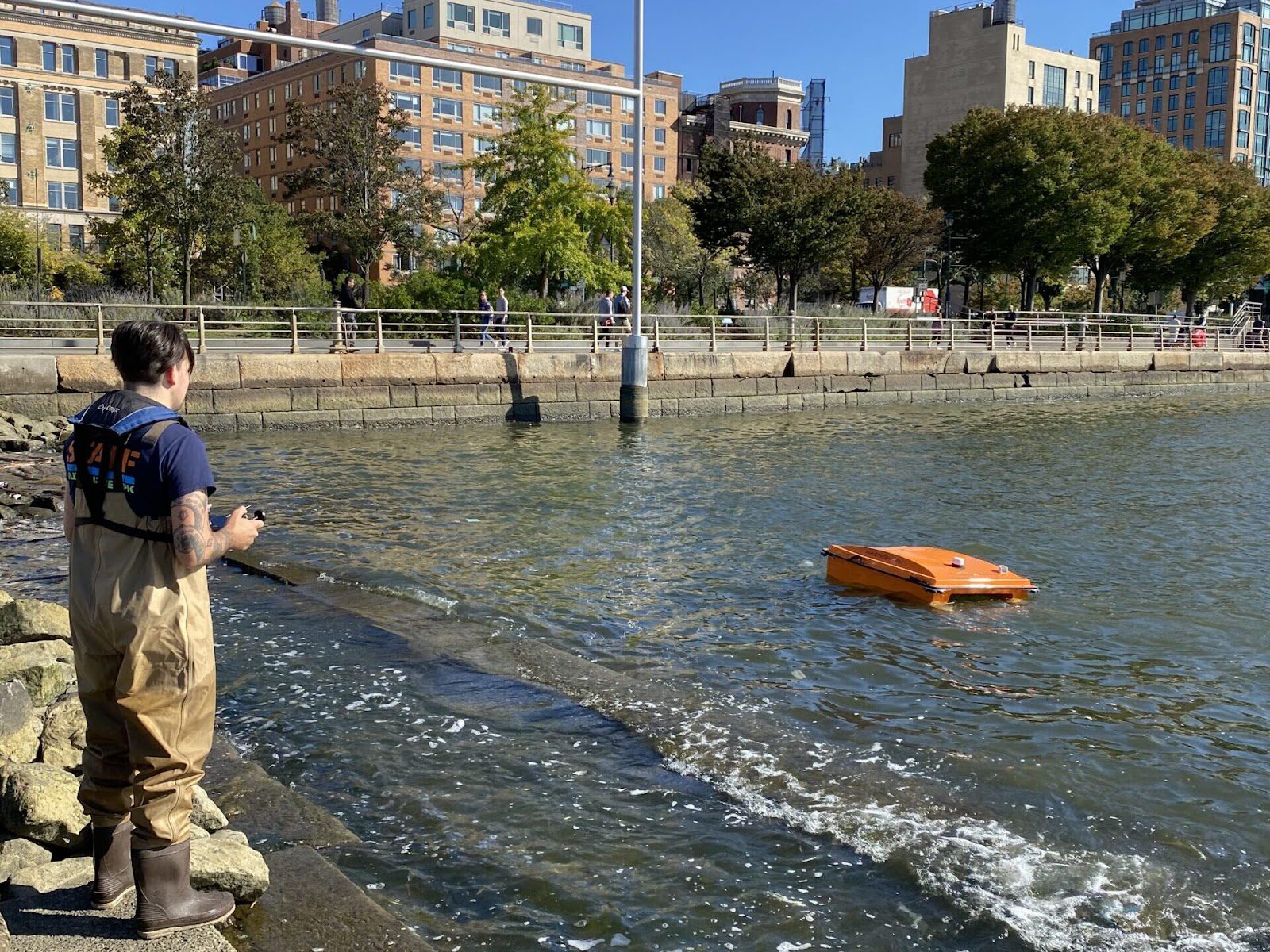
Queens authorities must strengthen oversight of industrial polluters, improve waste management, and allocate more budget to green infrastructure. Periodic water quality monitoring and public transparency are essential for informed decision-making. Existing policies ensure access to clean drinking water and protect residents from waterborne diseases. Road repairs and strict industrial disposal standards are part of these efforts. - Community Initiatives
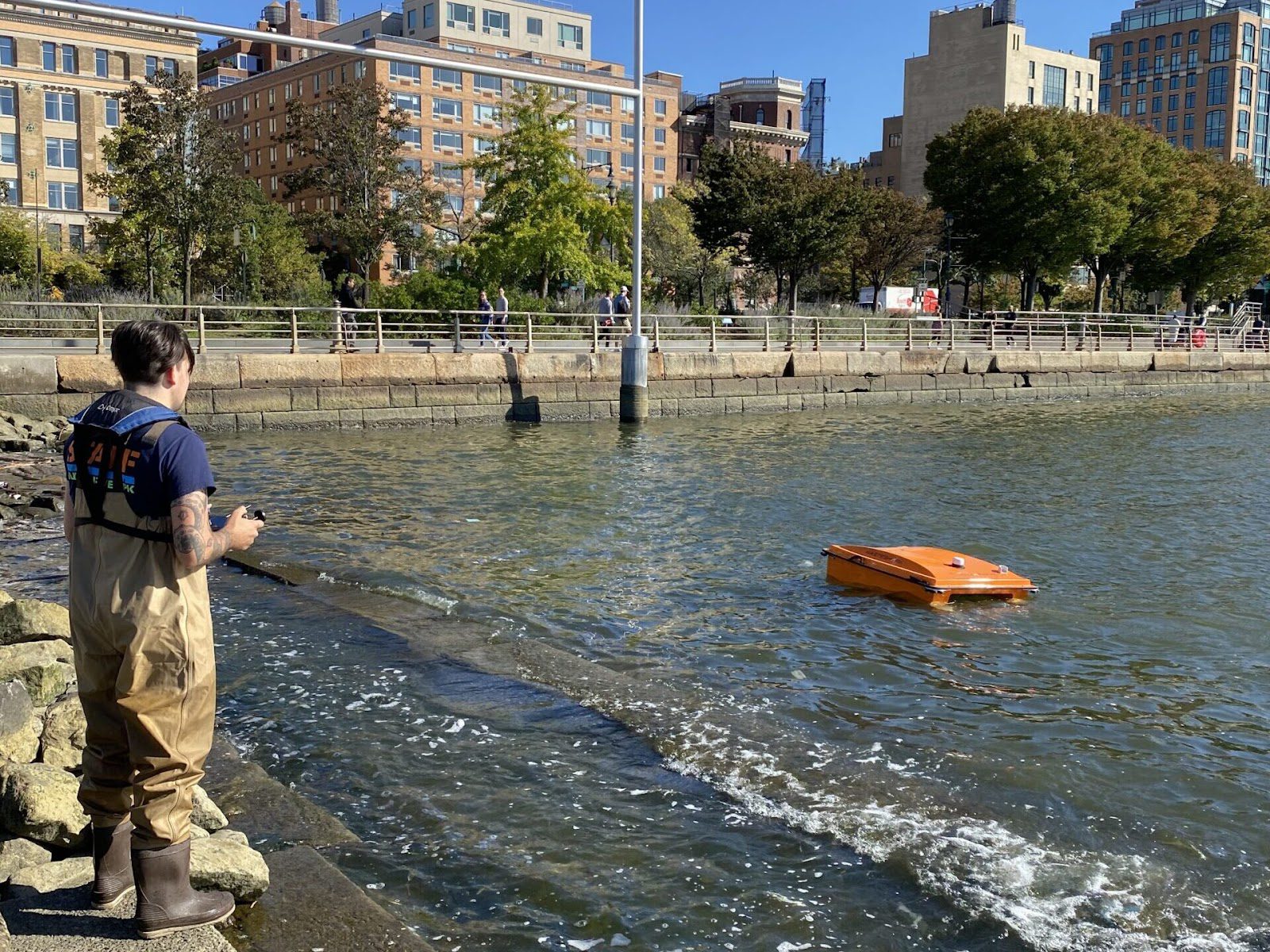
Queens residents can contribute by cleaning up polluted areas and participating in educational campaigns. Local nonprofits often lead outreach efforts to raise awareness and promote clean water initiatives.