

Marie Maynard Daly made significant discoveries about the effects of cholesterol, sugar, and proteins on the human body. Throughout her career, she overcame racial and gender biases, becoming an inspiration for other women scientists and contributing to increasing minority representation in medical schools and graduate programs. Learn more about her remarkable story at queens.name.
Early Fascination with Science
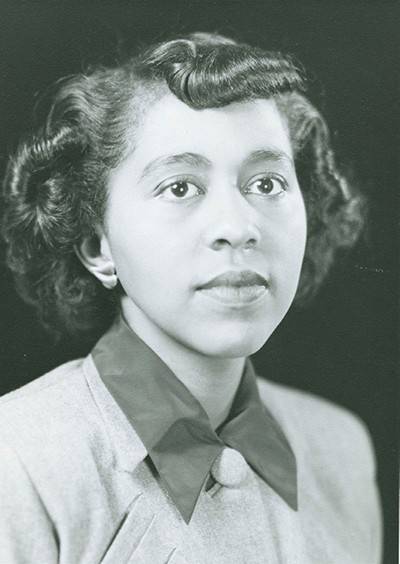
Marie Maynard Daly was born on April 16, 1921, in Queens. Her father emigrated to the United States from the British West Indies and worked as a postal clerk, while her mother, Helen Page, hailed from Washington, D.C.
Marie often visited her maternal grandparents in Washington, where she spent time in her grandfather’s library, reading about scientific achievements. Her favorite book was Microbe Hunters by American biologist Paul de Kruif, which detailed the work of 12 renowned microbiologists.
Marie was inspired not by the fame of these scientists but by the scientific methods they employed. She was motivated to pursue education and unlock the secrets of the microscopic world. Her father also played a role in nurturing her interest in science, having studied chemistry at Cornell University before dropping out due to financial difficulties.
Education
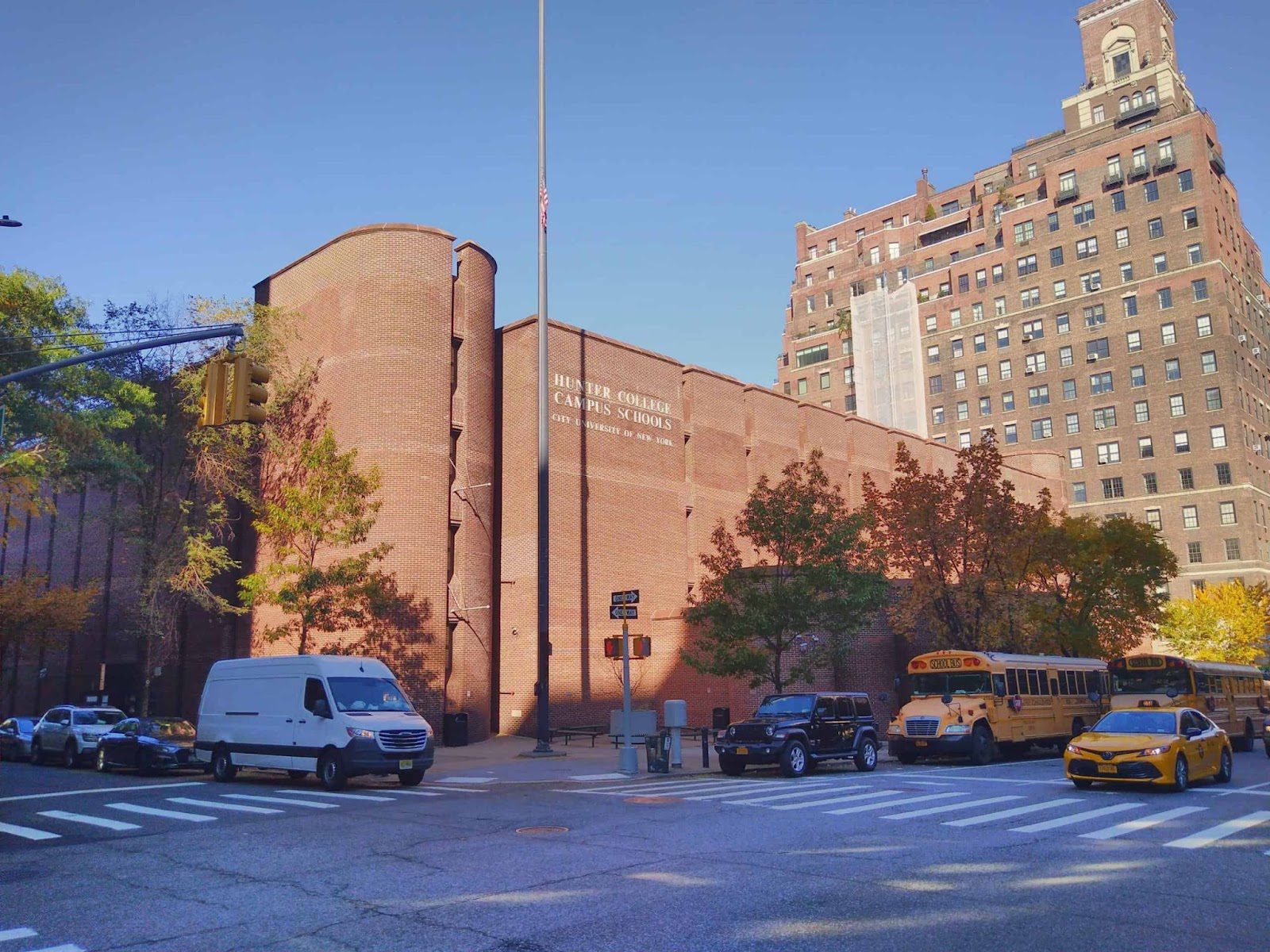
Daly attended Hunter College High School, an institution for girls that supported her ambition to become a chemist. The school provided an inclusive environment for students of all backgrounds, fostering a passion for science in young scholars like Daly.
After high school, Daly enrolled at Queens College, majoring in chemistry. Despite being one of the few African American students, her academic excellence made her stand out. Upon graduating, she received a scholarship to pursue graduate studies at New York University. While studying, she worked part-time as a lab assistant at Queens College.
During World War II, career opportunities for women expanded as men joined the military. Daly transitioned from working at Queens College to pursuing a PhD at Columbia University, with university funding allowing her to study full-time. Her research focused on how compounds produced in the body affect digestion.
In 1947, Daly became the first African American woman to earn a PhD in chemistry in the United States. Her doctoral dissertation, completed in just three years under the mentorship of Mary Letitia Caldwell, advanced understanding of how enzymes break down food.
A Distinguished Career
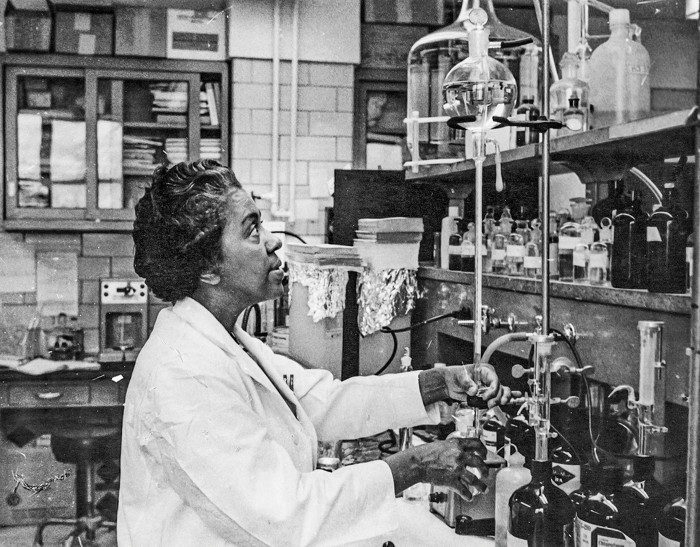
After earning her PhD, Daly taught at Howard University for two years. With a research grant from the American Cancer Society, she joined molecular biology pioneer Alfred E. Mirsky at the Rockefeller Institute in New York. For seven years, she studied the composition and metabolism of nuclear components in cells, contributing to the understanding of cellular processes.
Later, Daly became a biochemistry instructor at Columbia University’s College of Physicians and Surgeons. In 1960, she joined the Albert Einstein College of Medicine, where she taught for 26 years.
Key Research Contributions
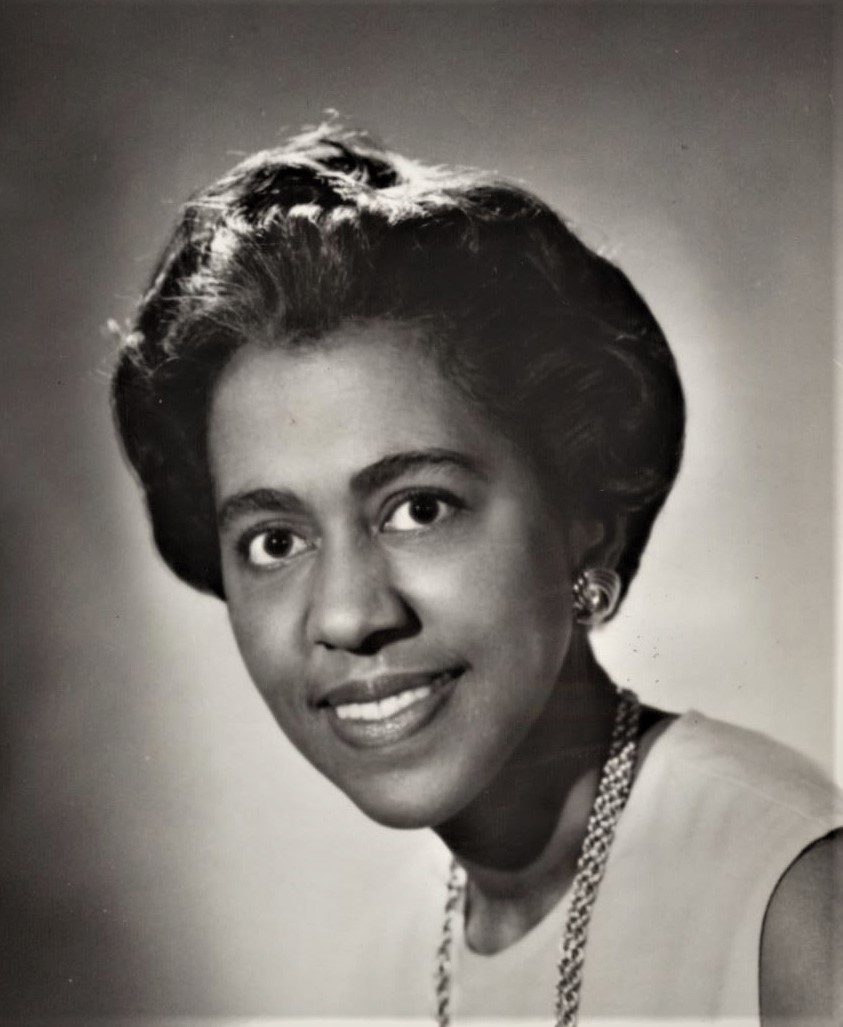
Daly’s work delved into protein synthesis in cells, uncovering critical insights into how proteins are built, maintained, and regulated. She also explored the role of ribonucleoproteins in protein synthesis and identified key components of genetic material, such as purines and pyrimidines.
Her research was instrumental in understanding the structure and function of DNA and the role of histones in gene expression. Histones regulate how genetic information is used to produce RNA and proteins, crucial for cellular function and development.
At Columbia University, Daly investigated the causes of heart attacks, becoming one of the first scientists to study how diet and smoking impact circulation. She highlighted the harmful effects of cholesterol, demonstrating how high-fat foods contribute to artery blockage and increase the risk of heart attacks, coronary artery disease, and strokes.
Using lab rats, Daly’s team also identified connections between aging, hypertension, and atherosclerosis, influencing both medical research and treatment methods.
Advocacy and Legacy
Daly’s work earned numerous prestigious awards, and she played a pivotal role in increasing minority representation in science. In 1988, she established a scholarship fund for African American science students at Queens College. As a participant in a 1975 Virginia conference organized by the American Association for the Advancement of Science, Daly advocated for addressing racial and gender discrimination in STEM fields.
Personal Life
Daly married physician Vincent Clark just before her 40th birthday. The couple had no children. She passed away in 2003 at the age of 82. Marie Maynard Daly is remembered as a trailblazer in biochemistry, uncovering microscopic secrets that laid the foundation for groundbreaking discoveries in science and medicine.