Agriculture, despite its many benefits, contributes to environmental problems. Some of the most serious are climate change, deforestation, biodiversity loss, dead zones, irrigation problems, soil degradation and others. Organic and regenerative agriculture help combat climate change. For more information about Queens agribusiness and how the borough is trying to avoid environmental disaster, visit queens.name.
A home for farmers
Queens has a considerable number of farms, greenhouses, gardens and fields with active agriculture. The borough is home to Forest Park Greenhouse, Evergreen Community Garden, Hellgate Farm, Smiling Hogshead Ranch, Queens County Farm Museum, etc. In general, New York is a leading agricultural state. In 2022, according to the United States Census of Agriculture, there were 30,650 farms and 6,502,286 acres of production. Most farms are family-owned. The state ranks first in the country in the production of cream and grain cheeses and second in the production of apples, maple syrup, cabbage and yogurt. These are the products that are actively produced here, guaranteeing excellent quality.
What is the harm of agribusiness?
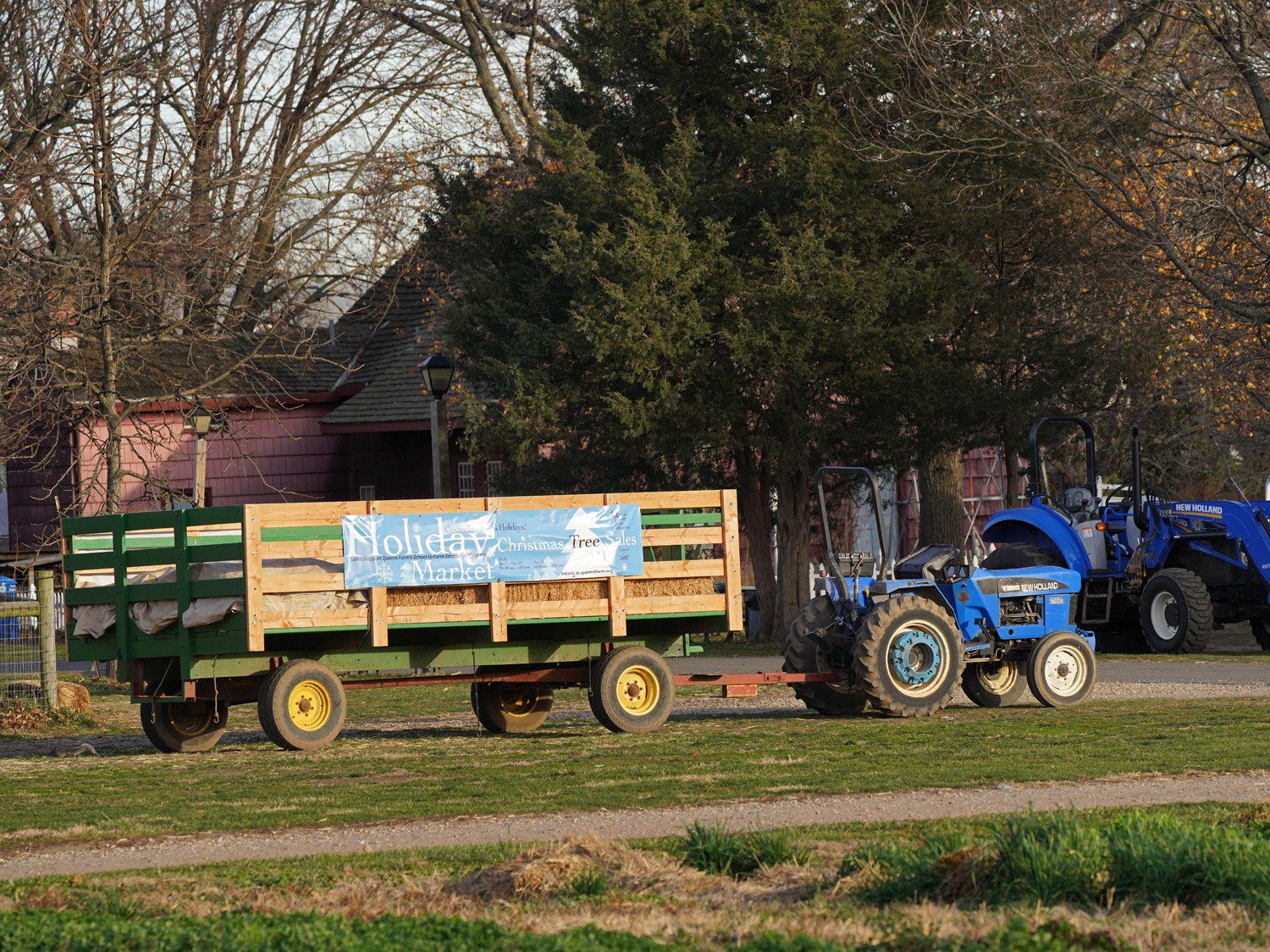
Farms do not have protective walls and closed rooms, as in factories or plants. They operate in open systems. Mechanized cultivation and harvesting, as well as fertilizers and pesticides, affect the soil, water, air, as well as plants and animals on the farm. After intensive farming aimed at increasing yields, bare farmland remains. However, the use of heavy machinery and intensive cultivation can compact the soil, increase the likelihood of its loss of fertility and cause erosion. The use of pesticides leads to the cultivation of monocultures, which increase vulnerability to pests. Pesticides harm wildlife and beneficial insects, such as pollinators.
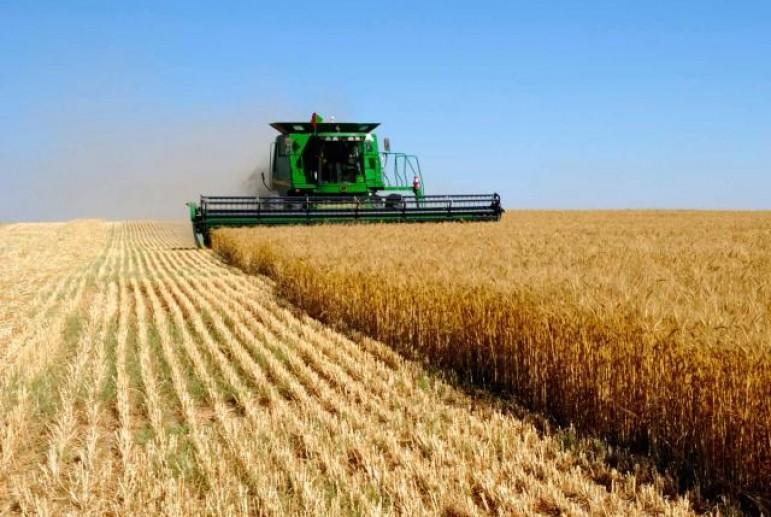
Nitrogen-rich fertilizers cause nitrate pollution of groundwater, which in turn degrades rivers, lakes and oceans. This ultimately leads to biodiversity loss and greenhouse gas emissions. Pollution from all stages of agriculture affects air quality and contributes to climate change.
At the same time, agricultural practices have significant consequences for human health. The regular use of antibiotics in livestock farming contributes to antibiotic resistance, making them less effective for human use. Pesticides, nitrates and phosphorus, while affecting groundwater and surface water quality, also affect the human body. Large-scale agriculture is directly linked to the obesity epidemic. Agribusiness is also a source of air pollution, which contributes to respiratory and cardiovascular diseases.
Organics as a solution
Organic farming means that healthy products that do not contain GMOs are grown on clean lands without harmful fertilizers. Our ancestors grew the same products. Farmers who practice organic farming minimize the use of synthetic fertilizers, pesticides, plant growth regulators and feed additives. Such ecological cultivation contributes to the conservation of natural resources, environmental protection and restoration of soil fertility.
The number of organic food producers in Queens is growing every year. Thus, organic meat in the borough can be purchased at Queens Natural Meats. This is a family-run business that offers beef, poultry, lamb, pork, bison, buffalo, New Zealand red deer, as well as quail and goat meat. Organic meat products combine the latest technologies and European experience.
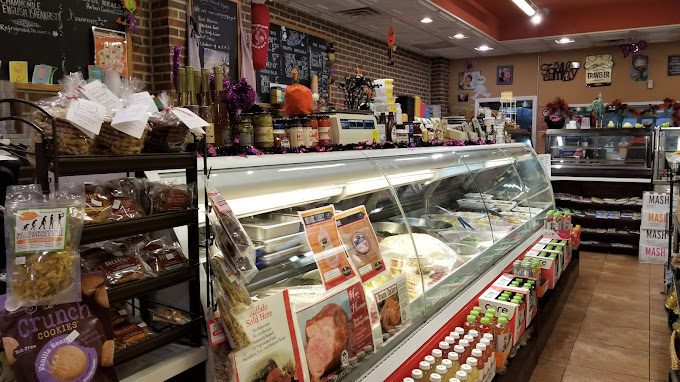
The company Udder Milk is also worth paying attention to. It sells raw, not pasteurized milk. It purchases clean, wholesome raw milk from farmers, produced by healthy cows, goats, sheep and camels. The animals are fed grass, without using any chemicals. Customers can order regular deliveries of products to their home or office. In addition to milk, buttermilk is available for order. It is a product of milk processing, which is the plasma of cream obtained during the processing of cream into butter.
By the way, the production of all organic products begins with the certification of the land. Before fields or pastures receive the status of organic, they must not be treated with any harmful substances for at least two years. Then, the farm may receive a certificate for livestock and the production of animal products. Interestingly, in organic production, there is a complete ban on feeding mammals and poultry with animal by-products.
Regenerative agriculture as a response to climate change
Another way to preserve the environment while running an agribusiness is regenerative agriculture. It is a system that not only allows you to grow quality food without harming the environment but also enriches the soil, increases biodiversity and improves the efficiency of natural resource use. This practice ensures better future utilization of the land. Unlike organic farming, which has clear standards, regenerative farming does not have a single definition. The basic principle of this type of farming is soil health. The idea is that soils with good structure, high organic matter and healthy organisms are better able to retain water, store carbon and resist erosion.
Regenerative farming practices are used by the Queens County Farm Museum. This is a farm and museum at the same time, representing the history of agricultural life in New York. The farmhouse and surrounding historic area demonstrate the evolution of this unique piece of land. They give visitors an idea of how farm products get from field to table. For hundreds of years, this farm has served and continues to serve the needs of New York. The farm buildings, fruit and herb gardens, fields, vineyard, apiary and livestock are worthy of attention.
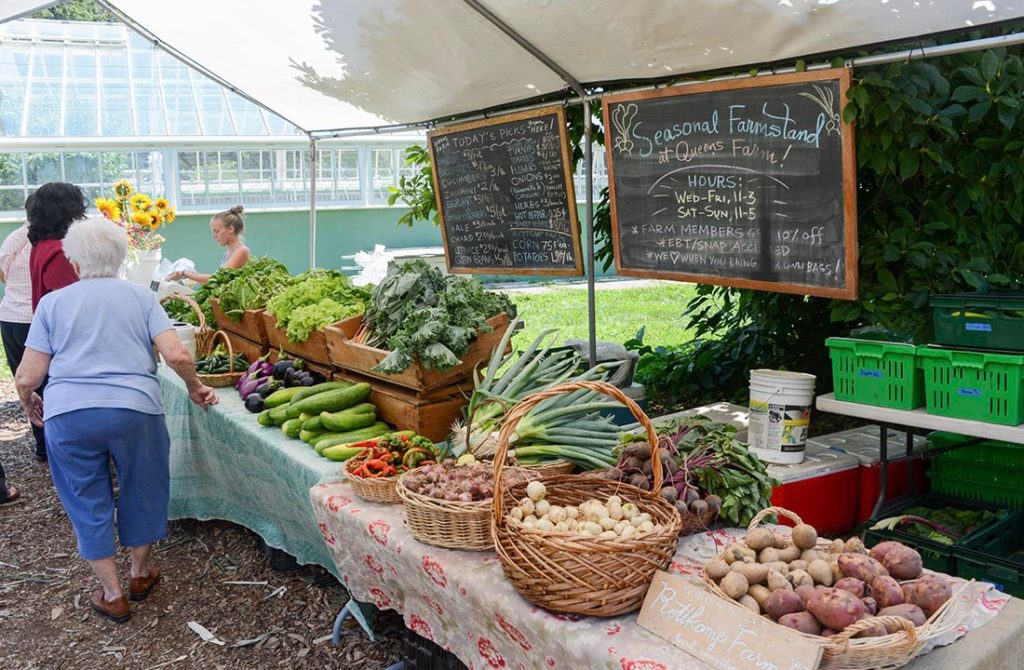
Regenerative agriculture allows a farm to operate while preserving the environment, community and economic viability. A tractor creates planting beds for crops. Then, they use hand tools and simple machinery that doesn’t damage the soil. Farmers take great care of their plants from seed to harvest.
In addition, regenerative practices include crop rotation (planting different crops in the same field each year); mulching (spreading biodegradable material over the soil surface); growing cover crops such as rye, wheat, barley, oats and others (underneath which the catch crops grow); planting catch crops (planted before or after the main crop is harvested and bearing fruit the same year); and planting ‘living borders’ (bordering the area with perennial plants).