

Park · Queens · ⭐ 9.3/10 · 3766 reviews · updated: 2026-08-04 20:07:38
Address: Totten Ave. &, 15th Rd, Fort Totten, NY 11359, United States
Fort Totten Park — an unfinished Civil War fort at the edge of Queens, now open to everyone
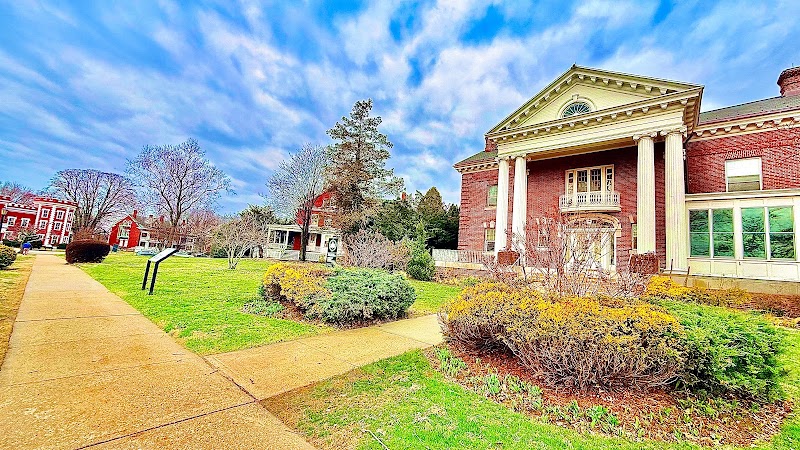
At the far northeastern tip of Queens, where the East River widens into Long Island Sound, a peninsula juts out into the water carrying something New York City has almost nowhere else: a genuine Civil War coastal fortification, never completed, still standing. For more than a century this was a closed Army post. Since 2005 roughly fifty acres of it have been a public park, and the result is unlike any other city park — a thirteen-acre parade ground, a Gothic Revival castle that now houses a local historical society, a granite water battery you can walk into on a ranger tour, brick officers’ quarters in various states of repair, wide lawns, a pool, ball fields and a shoreline with an unobstructed view of the bridge and the Sound. Parts of the site are still working government property. That mix of the open and the off-limits is exactly what gives the place its atmosphere.
Highlights
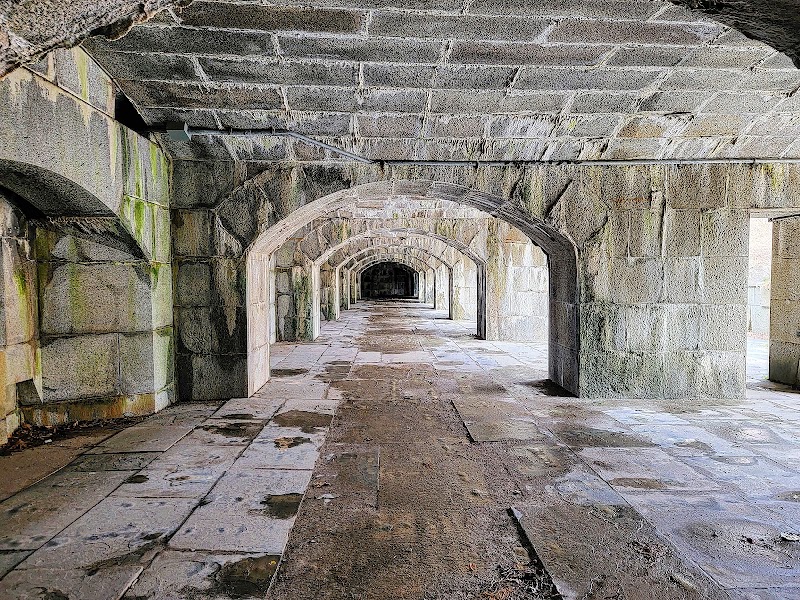
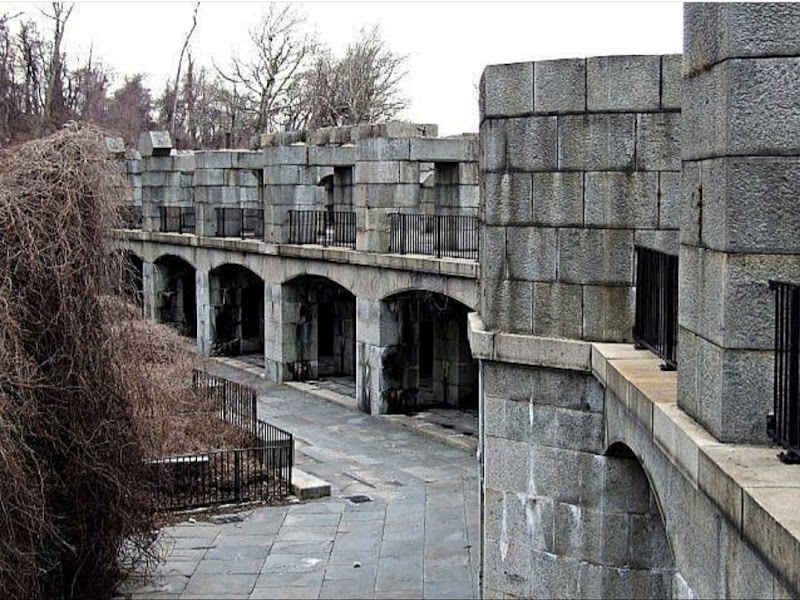
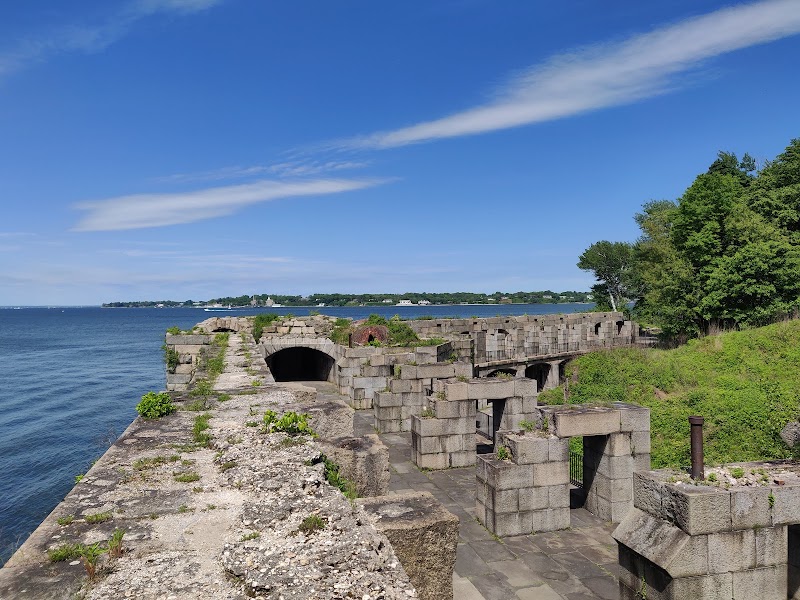
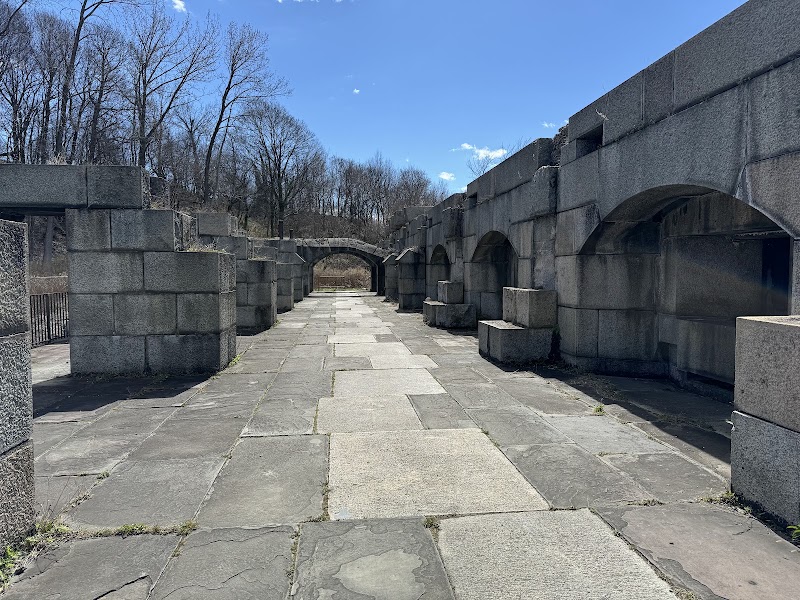
- The unfinished water battery — begun in 1862 and abandoned in 1864, the granite fortification was designed for tiers of guns facing the channel and stands today as a rare Civil War remnant inside the five boroughs.
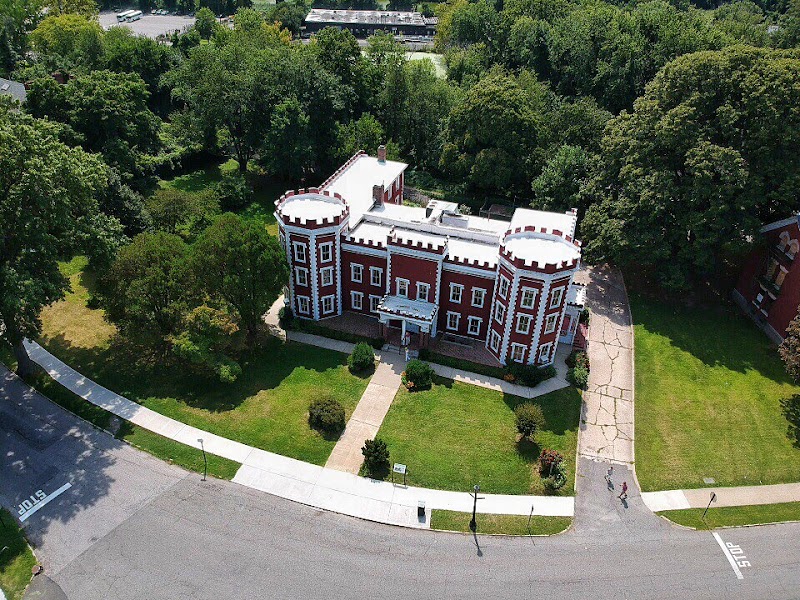
- The Castle — a Gothic Revival officers’ club built in the 1870s and expanded to its present size in 1887, listed on the National Register of Historic Places in 1986 and now home to the Bayside Historical Society.
- Ranger-led tunnel tours — Urban Park Rangers lead walks through the transport tunnel, torpedo magazines and main magazine, past graffiti scratched into the walls more than a century ago.
- The thirteen-acre parade ground — a vast, flat, open lawn of a kind that simply does not exist elsewhere in northeastern Queens.
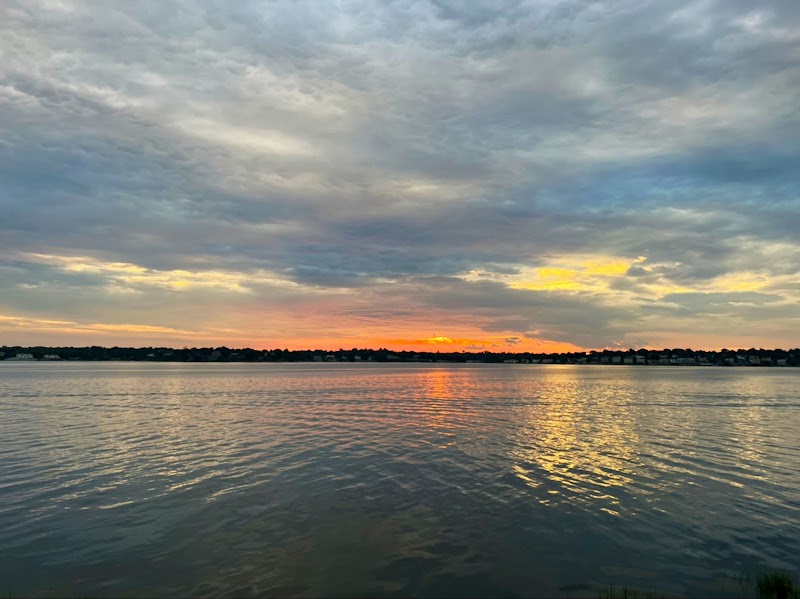
- Long Island Sound frontage — shoreline views toward the bridge and across the water, with paddling access for canoes and kayaks and reliable seasonal birdwatching.
- A visitor center — a small park museum covering both the military history of the site and its natural environment, with maps for self-guided walking.
What’s inside
Fort Totten reads as a campus rather than a lawn: streets, buildings, a fort and open ground, with public parkland woven between installations that are still in official use.
- The historic fortification and water battery, accessible on ranger-led tours rather than freely at all hours.
- The Castle and other historic structures, some restored, some visibly weathered, several closed to entry.
- The parade ground and surrounding lawns, used for kite flying, picnics, informal sport and large community events.
- A public swimming pool, ball fields and courts serving the surrounding neighborhoods through the warm months.
- A nature trail and shoreline habitat, with Urban Park Ranger programming covering birds and coastal ecology.
- Active federal and city facilities on parts of the campus, including an Army Reserve presence, the Coast Guard and emergency-services training operations.
What to do and who it’s for
- History travelers — this is the closest thing New York City has to a walkable Civil War fort, and the interpretation on site takes it seriously.
- Photographers — brick, granite, peeling paint, wide lawns and open water make a combination that no other park in the borough offers.
- Families — the pool, the ball fields and the sheer amount of open lawn make an easy, low-cost summer day.
- Birdwatchers — the peninsula sits on the water at the mouth of a bay, which makes it a productive spot during migration.
- Paddlers — canoe and kayak access to the Sound from a launch point that avoids the busiest boat traffic.
- Cyclists and runners — quiet internal roads with almost no through traffic, plus water views for most of the loop.
Getting there and practicalities
The park occupies the Willets Point peninsula on the Bayside side of northeastern Queens, at the head of Little Neck Bay. There is no subway nearby: the practical routes are a city bus from downtown Flushing, where the 7 train terminates, or the Long Island Rail Road to Bayside followed by a short bus ride or a walk. Drivers will find parking inside the park, which is the reason most visitors arrive by car. Entry to the park is free and its gates keep standard city park hours; the visitor center opens on a limited afternoon schedule, and access to the fortification itself is generally by ranger-led tour, which starts at a set time and does not wait. Allow two hours for a walk of the grounds and the shoreline, three or more if you take a tour or bring a picnic. Two practical realities: parts of the campus remain in active government use and are not open to the public, so respect posted limits; and the site is exposed to the water, which means it is windy and noticeably colder than inland Queens from November through March, when the pool is closed and the lawns are empty.
When to visit
Spring is arguably the best of it: migrating birds along the shoreline, the parade ground greening up, mild air and the fort’s stonework free of both summer haze and winter ice. Summer brings the pool, ball games, family picnics on the lawns and the busiest weekends of the year, along with the site’s signature community events. Fall turns the old campus trees over the brick buildings and gives the clearest air of the year for looking across the water toward the bridge. Winter is stark and often bitter here — wind straight off the Sound, empty lawns, the fort looking every one of its years, and almost nobody around, which for a certain kind of visitor is the entire appeal.
Worth knowing
The peninsula was inhabited by the Matinecock people long before European settlement, and later belonged to the Willets family, from whom the federal government purchased the land in 1857. The initial fortification design was drawn up in 1857 by Robert E. Lee, then an officer of the U.S. Army Corps of Engineers, and was modified during construction; work began in 1862 to defend the East River approach to New York against Confederate warships. The plan called for four tiers of guns totaling sixty-eight pieces facing the water, a configuration shared with only a handful of American forts. Construction was abandoned in 1864, and the fort has stood unfinished ever since. Known first as the Fort at Willets Point, it was renamed Fort Totten in 1898 for Brigadier General Joseph Gilbert Totten, chief engineer of the Army, who died in 1864. The post became the Engineer School of Application from 1869 to 1901, received Endicott-era gun batteries between 1897 and 1904, served as a training center in both world wars, and in 1954 became the regional headquarters for the Nike air-defense system covering the New York area — administrative offices and housing, with no missiles on site. The Castle, built in the 1870s and enlarged in 1887, is a standard castellated Corps of Engineers design of the era rather than a one-off, which is part of why the castle emblem became associated with the Corps; it was listed on the National Register in 1986 and has housed the Bayside Historical Society since the site’s transition to civilian use. The post was slated for closure in 1995 under base realignment, and after years of community campaigning Fort Totten Park opened to the public on June 13, 2005, covering about 49.5 acres. The Army Reserve, the Coast Guard and city emergency services still occupy portions of the wider campus, and the historic buildings have appeared repeatedly as film and television locations.
Visitor tips
- Check the Urban Park Rangers schedule before you go. The fortification interior, the tunnel and the magazines are normally seen on a guided tour, and tours start on time.
- Dress for wind. The peninsula is surrounded by water on three sides and runs several degrees colder and considerably breezier than the rest of Queens.
- Stay out of posted restricted areas. Several buildings are unstable and several parts of the campus remain in active government use.
Questions and answers
Is Fort Totten Park free? Yes. The park is operated by NYC Parks and is free to enter, with standard city park hours. Ranger tours are also typically offered without charge.
Can I go inside the fort? The historic water battery and its tunnels are generally accessed on Urban Park Ranger tours rather than on your own. Check the schedule, and arrive before the posted start time.
How old is the fort? Construction began in 1862 to a design first drawn by Robert E. Lee in 1857. Work stopped in 1864, leaving the structure permanently unfinished.
Who was Totten? Brigadier General Joseph Gilbert Totten, chief engineer of the U.S. Army, who died in 1864. The post, previously the Fort at Willets Point, was renamed in his honor in 1898.
What is the Castle? A Gothic Revival officers’ club built in the 1870s and expanded in 1887. It was listed on the National Register of Historic Places in 1986 and now houses the Bayside Historical Society.
When did it become a park? Fort Totten Park opened to the public on June 13, 2005, following years of local campaigning after the military post was slated for closure in 1995.
Is the whole site open to the public? No. About 49.5 acres are parkland; other portions of the campus remain in use by the Army Reserve, the Coast Guard and city emergency services, and are closed to visitors.
How do I get there without a car? Take the 7 train to downtown Flushing and a city bus east, or the Long Island Rail Road to Bayside and continue by bus or on foot. There is no subway station near the park itself.
Photos
Show 1 more photos
Visitor reviews
Reviews last updated: 2026-08-04 20:07:38
Data is refreshed monthly. Sources: queens.name and editorial picks based on reviews.
Рекомендую всім хто цікавиться історією і любить незвичні місцини для сімейного і самотнього відпочинку
Парк Форт-Тоттен, чесно кажучи, одна з найспокійніших перлин Квінзу. Види на набережну, свіжий бриз, історичні будівлі та відкриті зелені простори роблять його таким розслаблюючим місцем для прогулянок та відпочинку. Іде…
Прогулянка парком Форт-Тоттен була для мене таким приємним досвідом. Мені подобається відвідувати різні місця в Нью-Йорку, і цей парк справді став для мене відкриттям. Він спокійний, відкритий і ідеально підходить для то…
Парк Форт-Тоттен неймовірно красивий — ідеальне місце для втечі від міської метушні. Незалежно від того, чи хочете ви спокійно прогулятися біля води, оглянути історичні пам'ятки чи просто відпочити на природі, у цьому па…
A nice, quiet place for a weekend stroll. Suitable for those who enjoy peace and quiet and relaxing walks. The staff at the entrance and gate to the fort are very friendly. There's no parking, but you can leave your car…